THE ADVENTURE COLLECTIVE® · Independent discovery and booking for outdoor travel

Spend a winter day tracing Cretan history at Arkadi Monastery and exploring the Venetian alleys of Rethymno. This small-group tour mixes easy walking, local color, and practical logistics—perfect for travelers seeking a compact cultural outing.
Spend a winter day tracing Cretan history at Arkadi Monastery and exploring the Venetian alleys of Rethymno. This small-group tour mixes easy walking, local color, and practical logistics—perfect for travelers seeking a compact cultural outing.
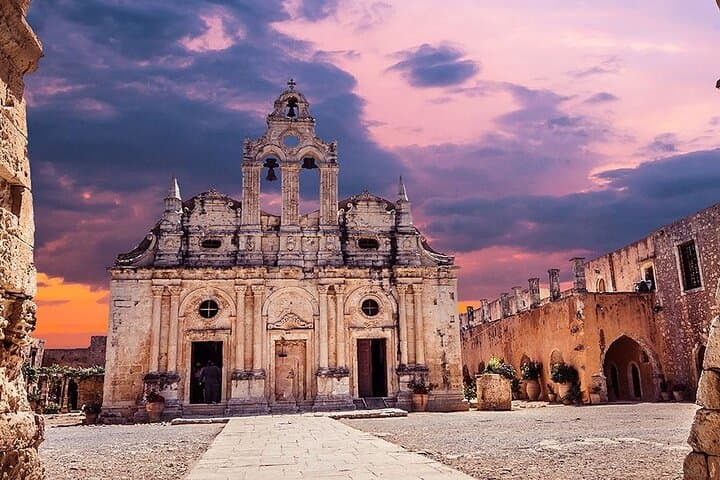
You step from the minivan into a courtyard where stone and silence hold a story—the Arkadi Monastery opens like a weathered page, wind from the plains nudging your scarf. In winter the light is clear and the air brisk; the monastery’s plain bell tower and austere facades feel larger than life against a low, cobalt sky.
Verified experiences and guided adventures in the surrounding area.
Operated by PLATANOS TOURS · Rethymno, Crete
You step from the minivan into a courtyard where stone and silence hold a story—the Arkadi Monastery opens like a weathered page, wind from the plains nudging your scarf. In winter the light is clear and the air brisk; the monastery’s plain bell tower and austere facades feel larger than life against a low, cobalt sky.
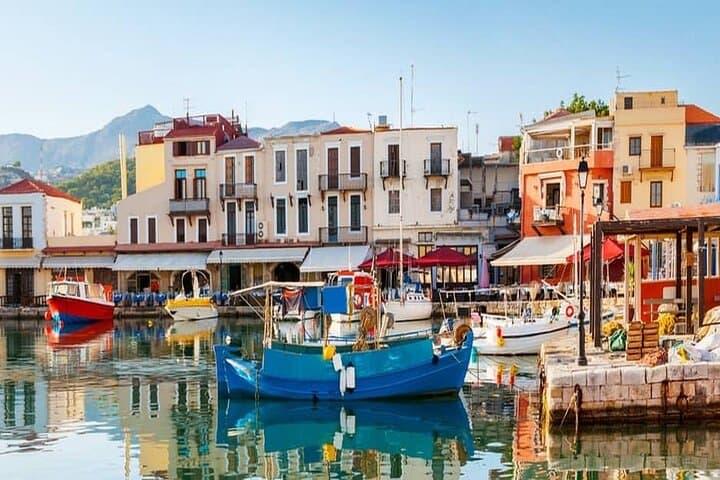
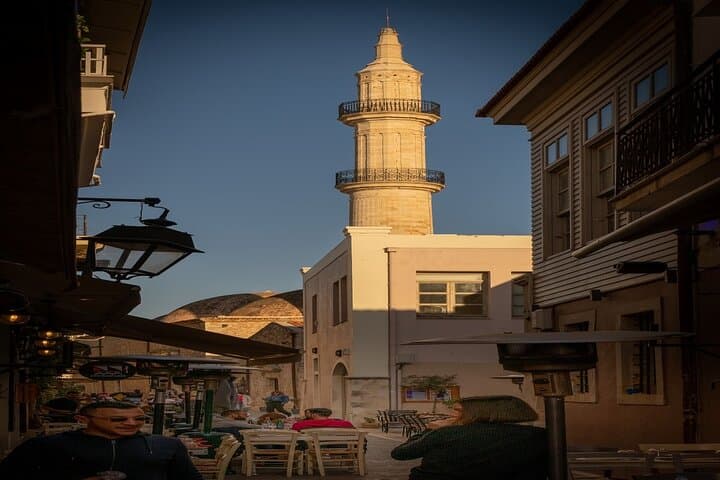
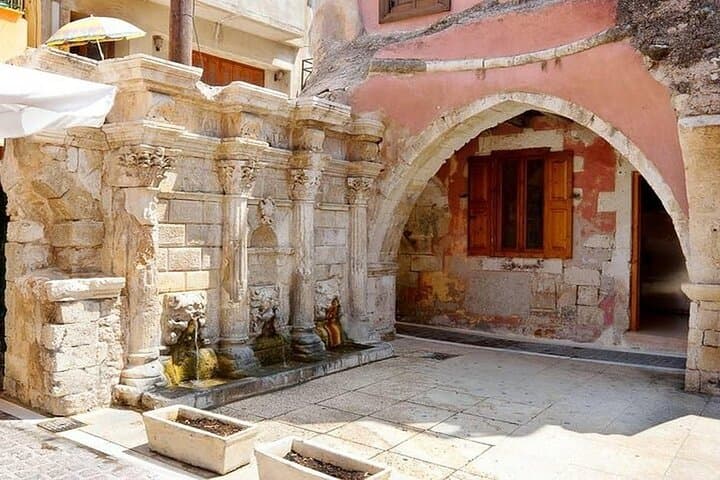
Built in the 16th century and rebuilt after Ottoman-era conflicts, Arkadi is a focal point of Cretan resistance and faith. The complex sits on limestone foothills whose terraces reveal the island’s geologic shift from Mesozoic limestones to folded hills. Rethymno’s Venetian harbor that follows on the route shows the later imprint of trade and fortification—the Fortezza overlooks tangle of alleys where Ottoman and Venetian layers meet Greek seaside culture.
Practicalities arrive with the story: expect about seven hours for the round trip with roughly an hour at Arkadi and three hours of free time in Rethymno’s old town. Guides typically speak English, German or French aboard an air-conditioned minivan; hotel pickup across the Heraklion corridor is common. Dress in layers for sudden coastal gusts, wear grippy shoes for cobbled alleys and bring a small amount of cash for modest entrance donations or a café espresso. Winter brings quieter streets and good light for photography, but occasional showers can push you toward a tavern sooner than planned.
Timing your visit for the morning or late afternoon gives softer sun on the monastery walls and more relaxed wandering in Rethymno’s narrow lanes. This is a culturally rich half-day that pairs short, easy walking with strong historical payoff.
easy.
7 hours.
Suitable for most fitness levels; involves short, gentle walking on uneven surfaces.
Admission policies vary; some sites request a small donation or charge an entrance fee—bring a few euros as this tour may not include individual site fees.
Hotel pickup is provided around Heraklion and nearby resorts; you’ll receive a meeting time and pickup point by email before departure.
Yes; the walking is short and gentle, but uneven ground and steps mean sensible shoes and moderate mobility are recommended.
Swimming is possible in summer at Rethymno’s beach, but winter trips are focused on sightseeing—bring swimwear only if you plan a separate visit.
Arkadi Monastery became a symbol of Cretan resistance in the 19th century; the site marks a pivotal episode in the island’s struggle against Ottoman rule.
Crete’s cultural sites manage visitor impact by encouraging off-peak visits and supporting small entrance donations; stick to marked paths to protect fragile stonework and vegetation.
PLATANOS TOURS operates guided outdoor trips and adventures with an emphasis on safety, stewardship, and memorable experiences.
You step from the minivan into a courtyard where stone and silence hold a story—the Arkadi Monastery opens like a weathered page, wind from the plains nudging your scarf. In winter the light is clear and the air brisk; the monastery’s plain bell tower and austere facades feel larger than life against a low, cobalt sky.
You step from the minivan into a courtyard where stone and silence hold a story—the Arkadi Monastery opens like a weathered page, wind from the plains nudging your scarf. In winter the light is clear and the air brisk; the monastery’s plain bell tower and austere facades feel larger than life against a low, cobalt sky.
Built in the 16th century and rebuilt after Ottoman-era conflicts, Arkadi is a focal point of Cretan resistance and faith. The complex sits on limestone foothills whose terraces reveal the island’s geologic shift from Mesozoic limestones to folded hills. Rethymno’s Venetian harbor that follows on the route shows the later imprint of trade and fortification—the Fortezza overlooks tangle of alleys where Ottoman and Venetian layers meet Greek seaside culture.
Practicalities arrive with the story: expect about seven hours for the round trip with roughly an hour at Arkadi and three hours of free time in Rethymno’s old town. Guides typically speak English, German or French aboard an air-conditioned minivan; hotel pickup across the Heraklion corridor is common. Dress in layers for sudden coastal gusts, wear grippy shoes for cobbled alleys and bring a small amount of cash for modest entrance donations or a café espresso. Winter brings quieter streets and good light for photography, but occasional showers can push you toward a tavern sooner than planned.
Timing your visit for the morning or late afternoon gives softer sun on the monastery walls and more relaxed wandering in Rethymno’s narrow lanes. This is a culturally rich half-day that pairs short, easy walking with strong historical payoff.