THE ADVENTURE COLLECTIVE® · Independent discovery and booking for outdoor travel

Travel from Chania to Arkadi Monastery, Margarites pottery village and Rethymno in a single day—history, hands-on craft and a seaside finish. Expect guided walks, free time in Rethymno and short cobbled streets that reward slow exploration.
Travel from Chania to Arkadi Monastery, Margarites pottery village and Rethymno in a single day—history, hands-on craft and a seaside finish. Expect guided walks, free time in Rethymno and short cobbled streets that reward slow exploration.
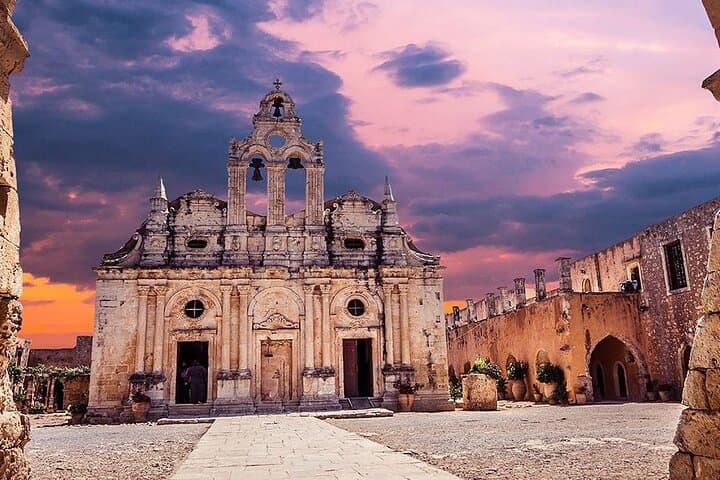
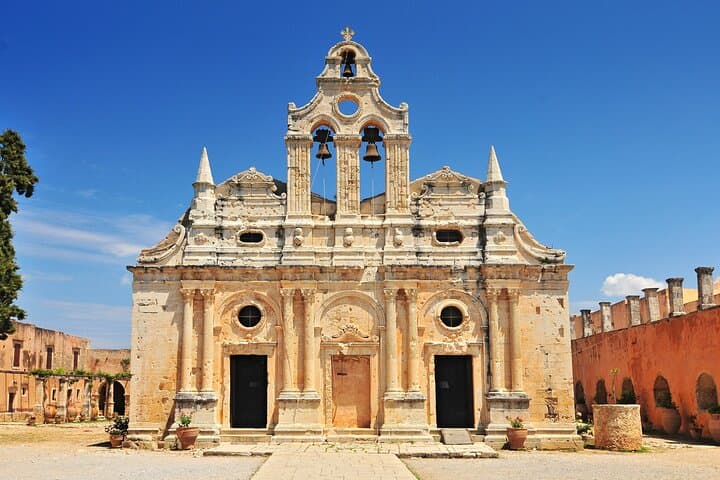
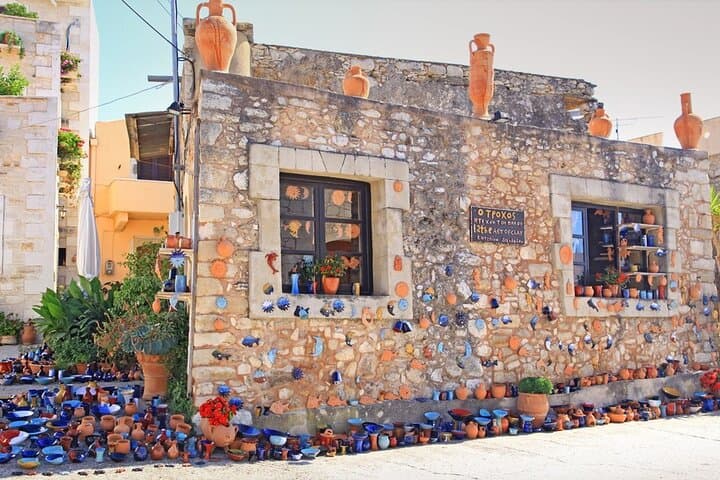
A coach carves along a sun-baked lane and olive trees lean like quiet witnesses as you approach Arkadi. Stone buildings rise against the blue—an austere monastery courtyard, battered by history, then narrow streets of a pottery village where the rhythm of a spinning wheel still marks time. The day unfolds as a loop through Crete’s layers: revolt, craft and coastal life.
Verified experiences and guided adventures in the surrounding area.
Operated by PLATANOS TOURS · Rethymno, Crete
A coach carves along a sun-baked lane and olive trees lean like quiet witnesses as you approach Arkadi. Stone buildings rise against the blue—an austere monastery courtyard, battered by history, then narrow streets of a pottery village where the rhythm of a spinning wheel still marks time. The day unfolds as a loop through Crete’s layers: revolt, craft and coastal life.
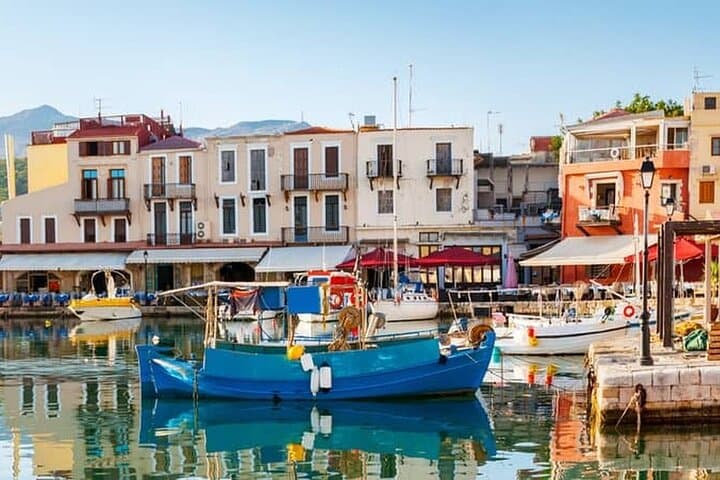
Arkadi Monastery is a focal point of Cretan resistance; its mid-19th-century role in the 1866 uprising gives the site a solemn atmosphere that pairs with its Venetian and post-Byzantine stonework. Margarites, a short drive away, sits on soft limestone soils that once supported terraced agriculture and now feed the local clay traditions—families here have thrown and painted ceramics for generations. Rethymno blends Venetian fortifications, Ottoman touches and a livable coastline: the Fortezza offers angled bastions and sea views, while the nearby palm beach invites a cooling swim.
Practically, expect a 10-hour day with hotel pickup in the Chania area, guided walks at each stop and roughly 3–4 hours of free time in Rethymno. Walking is low-impact but surfaces vary: cobbles, stone steps and short dirt tracks are common, with minimal elevation gain. Bring sun protection, comfortable closed-toe shoes for alleyways and a small amount of cash for small pottery purchases and tavernas. Midday heat in summer favors earlier starts or a late-afternoon stroll along the shore. This is a cultural day trip with gentle walking—good for travelers who want history, hands-on craft and a seaside finish without technical demands.
easy.
10 hours.
Suitable for most fitness levels; expect several short walks and standing during guided visits
The tour runs approximately 10 hours with hotel pickup and drop-off from central points in the Chania area—pickup time is confirmed by email.
Arkadi Monastery and the Fortezza are visited during the day; confirm with the operator whether entrance fees are included or paid locally.
Yes—there is free time in Rethymno with access to palm beach near the town center; bring swimwear if you plan to go in the water.
Yes—the tour is graded easy with minimal walking; participants should be mobile enough for short cobbled walks and some stone steps.
Arkadi Monastery is a national symbol of resistance after the 1866 uprising; Rethymno’s Fortezza reflects Venetian military architecture from the 16th century.
Support local artisans by purchasing craft goods and avoid removing archaeological or historical artifacts; coastal areas can be sensitive to litter and erosion, so follow leave-no-trace practices.
PLATANOS TOURS operates guided outdoor trips and adventures with an emphasis on safety, stewardship, and memorable experiences.
A coach carves along a sun-baked lane and olive trees lean like quiet witnesses as you approach Arkadi. Stone buildings rise against the blue—an austere monastery courtyard, battered by history, then narrow streets of a pottery village where the rhythm of a spinning wheel still marks time. The day unfolds as a loop through Crete’s layers: revolt, craft and coastal life.
A coach carves along a sun-baked lane and olive trees lean like quiet witnesses as you approach Arkadi. Stone buildings rise against the blue—an austere monastery courtyard, battered by history, then narrow streets of a pottery village where the rhythm of a spinning wheel still marks time. The day unfolds as a loop through Crete’s layers: revolt, craft and coastal life.
Arkadi Monastery is a focal point of Cretan resistance; its mid-19th-century role in the 1866 uprising gives the site a solemn atmosphere that pairs with its Venetian and post-Byzantine stonework. Margarites, a short drive away, sits on soft limestone soils that once supported terraced agriculture and now feed the local clay traditions—families here have thrown and painted ceramics for generations. Rethymno blends Venetian fortifications, Ottoman touches and a livable coastline: the Fortezza offers angled bastions and sea views, while the nearby palm beach invites a cooling swim.
Practically, expect a 10-hour day with hotel pickup in the Chania area, guided walks at each stop and roughly 3–4 hours of free time in Rethymno. Walking is low-impact but surfaces vary: cobbles, stone steps and short dirt tracks are common, with minimal elevation gain. Bring sun protection, comfortable closed-toe shoes for alleyways and a small amount of cash for small pottery purchases and tavernas. Midday heat in summer favors earlier starts or a late-afternoon stroll along the shore. This is a cultural day trip with gentle walking—good for travelers who want history, hands-on craft and a seaside finish without technical demands.