THE ADVENTURE COLLECTIVE® · Independent discovery and booking for outdoor travel

Cover four millennia of Greek history on a compact, private 4-day route from Athens through Argolis, Olympia, Delphi and the suspended monasteries of Meteora. Expect long driving legs, varied terrain, and rich archaeological stops with local cuisine between sites.
Cover four millennia of Greek history on a compact, private 4-day route from Athens through Argolis, Olympia, Delphi and the suspended monasteries of Meteora. Expect long driving legs, varied terrain, and rich archaeological stops with local cuisine between sites.
You step out of Athens early and the highway opens like a long ribbon toward the Peloponnese, olive groves sliding past the window while the driver hums a practiced itinerary. Daylight sharpens the columns at Ancient Corinth; the canal glares a thin scar where sea once met sea. The first day moves through Argolis—Mycenae's Cyclopean walls, the theatre at Epidaurus, and the seafront relief of Nafplio—each ruin holding the echo of civic life and ritual.
Verified experiences and guided adventures in the surrounding area.
Operated by H.P.Tours - Hellenic Private Tours · Athens, Attica
You step out of Athens early and the highway opens like a long ribbon toward the Peloponnese, olive groves sliding past the window while the driver hums a practiced itinerary. Daylight sharpens the columns at Ancient Corinth; the canal glares a thin scar where sea once met sea. The first day moves through Argolis—Mycenae's Cyclopean walls, the theatre at Epidaurus, and the seafront relief of Nafplio—each ruin holding the echo of civic life and ritual.
History here is tangible: Olympia’s stadium still remembers the cadence of ancient feet, Delphi keeps the mutter of oracles in its slopes, and Meteora’s sandstone pillars are monuments of geology and asceticism. The rocks of Meteora were shaped by river and lake systems millions of years ago; wind and rain continue to etch stairways and ledges where monks once climbed. Local culture is a slow, hospitable pulse—tavernas serve regional olive oil and mountain honey, while towns like Arachova trade craft and cheese in narrow lanes.
Practical guidance: expect long drives between sites—plan for several hours on the bus each day with frequent stops. Terrain varies from flat coastal promenades to uneven archaeological paths and steep steps at Mycenae and Meteora; comfortable, grippy footwear matters. Respect monastery dress codes (shoulders and knees covered), carry a refillable water bottle, and time visits for morning light or late afternoon when crowds thin. Weather shifts quickly in the mountains—pack a lightweight rain layer. With a private vehicle and certified drivers, this loop is efficient for seeing Greece’s signature landscapes and history in a concentrated four-day sweep.
moderate.
4 days.
Moderate fitness for walking on uneven archaeological terrain and short hikes; comfortable with several hours of sightseeing per day.
Most departures are from Athens hotels or Piraeus port with drop-off back in Athens at the end of day four.
Admissions vary by itinerary; check the booking details or request a guide to include tickets when you book.
The tour is private and flexible, but it involves long drives and uneven ground; children and seniors should be comfortable with walking and stairs.
Yes — conservative dress is required; some sites provide wraps but bringing your own is best.
The route links political and religious centers: Mycenae dominated Late Bronze Age Greece, Olympia hosted pan-Hellenic games from 776 BC, Delphi served as the classical world's prophetic center, and Meteora became a monastic refuge from the Byzantine era onward.
Meteora is a UNESCO site with strict visitor rules to limit erosion and preserve monastic heritage; follow paths, avoid climbing unmarked ledges, and minimize plastic waste.
H.P.Tours - Hellenic Private Tours operates guided outdoor trips and adventures with an emphasis on safety, stewardship, and memorable experiences.
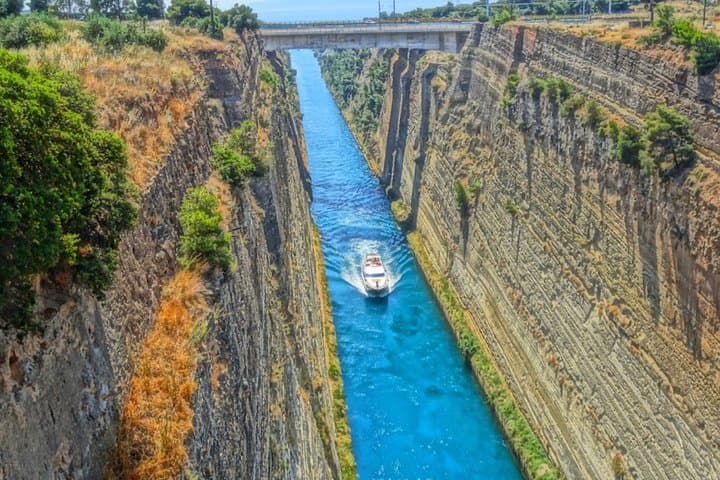
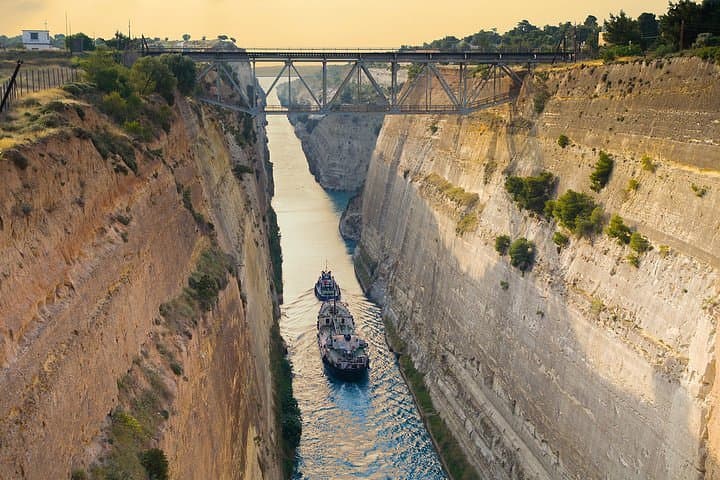
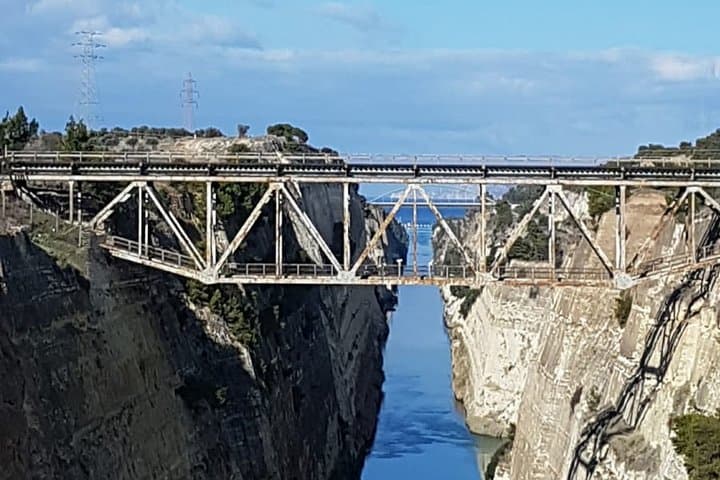
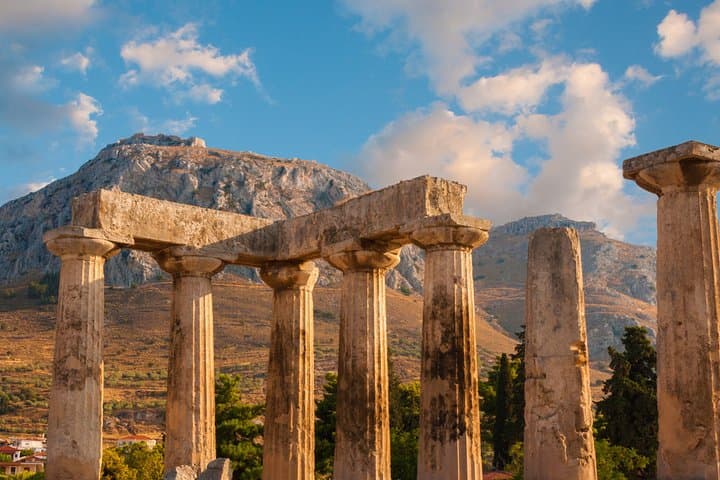
You step out of Athens early and the highway opens like a long ribbon toward the Peloponnese, olive groves sliding past the window while the driver hums a practiced itinerary. Daylight sharpens the columns at Ancient Corinth; the canal glares a thin scar where sea once met sea. The first day moves through Argolis—Mycenae's Cyclopean walls, the theatre at Epidaurus, and the seafront relief of Nafplio—each ruin holding the echo of civic life and ritual.
You step out of Athens early and the highway opens like a long ribbon toward the Peloponnese, olive groves sliding past the window while the driver hums a practiced itinerary. Daylight sharpens the columns at Ancient Corinth; the canal glares a thin scar where sea once met sea. The first day moves through Argolis—Mycenae's Cyclopean walls, the theatre at Epidaurus, and the seafront relief of Nafplio—each ruin holding the echo of civic life and ritual.
History here is tangible: Olympia’s stadium still remembers the cadence of ancient feet, Delphi keeps the mutter of oracles in its slopes, and Meteora’s sandstone pillars are monuments of geology and asceticism. The rocks of Meteora were shaped by river and lake systems millions of years ago; wind and rain continue to etch stairways and ledges where monks once climbed. Local culture is a slow, hospitable pulse—tavernas serve regional olive oil and mountain honey, while towns like Arachova trade craft and cheese in narrow lanes.
Practical guidance: expect long drives between sites—plan for several hours on the bus each day with frequent stops. Terrain varies from flat coastal promenades to uneven archaeological paths and steep steps at Mycenae and Meteora; comfortable, grippy footwear matters. Respect monastery dress codes (shoulders and knees covered), carry a refillable water bottle, and time visits for morning light or late afternoon when crowds thin. Weather shifts quickly in the mountains—pack a lightweight rain layer. With a private vehicle and certified drivers, this loop is efficient for seeing Greece’s signature landscapes and history in a concentrated four-day sweep.