THE ADVENTURE COLLECTIVE® · Independent discovery and booking for outdoor travel

A private, full-day walking tour on the Argentine side of Iguassu offers boardwalks within reach of towering cascades, guided cultural context, and the flexibility to linger at the park’s best viewpoints. Plan for wet conditions, stairs, and spectacular close-up views.
A private, full-day walking tour on the Argentine side of Iguassu offers boardwalks within reach of towering cascades, guided cultural context, and the flexibility to linger at the park’s best viewpoints. Plan for wet conditions, stairs, and spectacular close-up views.
You step off the minivan into humid air that smells of wet stone and green growth; the roar arrives before the falls do, a low, patient rumble that seems to push the forest forward.
Verified experiences and guided adventures in the surrounding area.
Operated by Neumann Operadora de Receptivo · Puerto Iguazú, Misiones
You step off the minivan into humid air that smells of wet stone and green growth; the roar arrives before the falls do, a low, patient rumble that seems to push the forest forward.
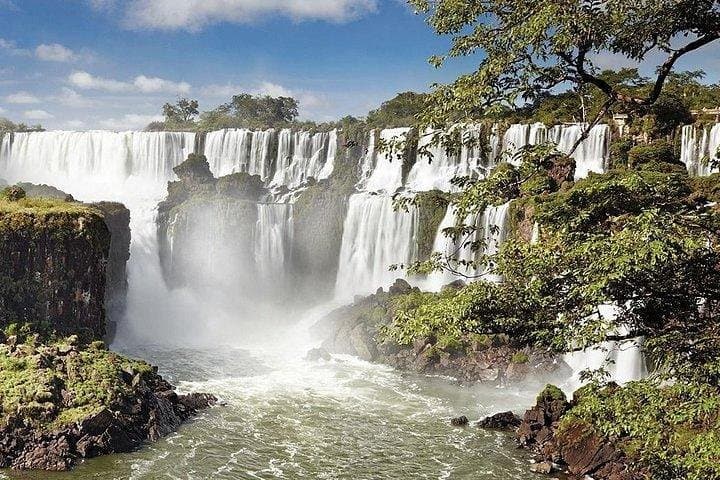
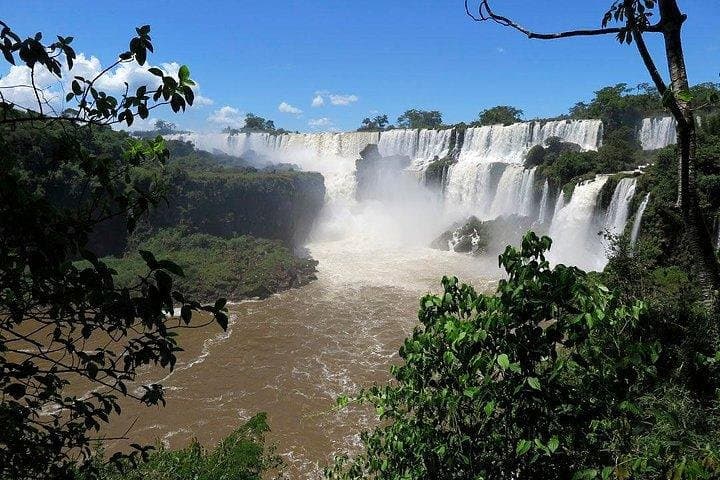
This private, full-day walk along the Argentine side of Iguassu plunges you into boardwalks that thread through subtropical forest and out onto vantage points inches from curtains of water. Geologically, the falls sit where the Paraná floodplain meets basalt escarpments created by ancient lava flows; the result is a stepped edge that splits the river into more than 250 visible cataracts. Culturally, the area is shared history — Guaraní heritage, early Jesuit routes, and modern conservation that balances tourism with habitat protection.
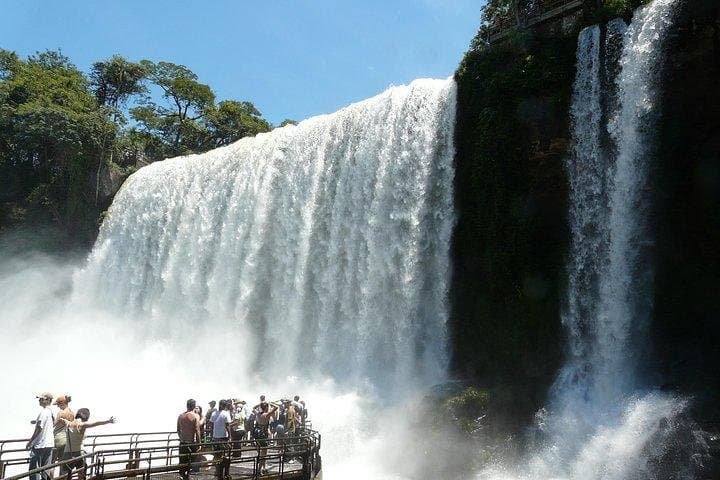
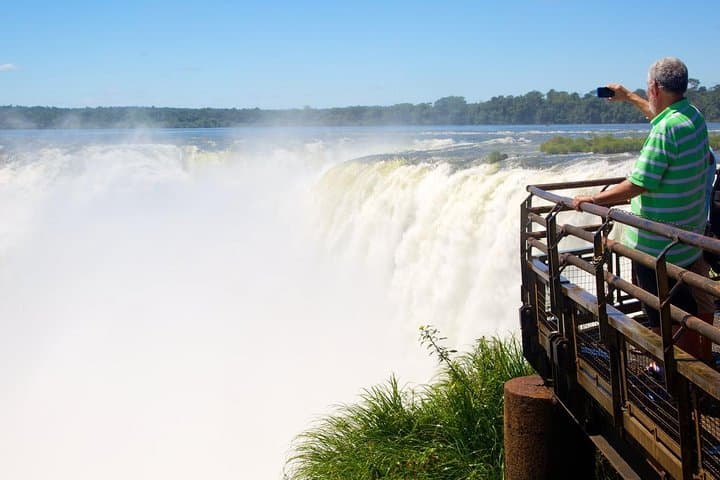
Expect close-up encounters: wooden catwalks pass over sprays and under smaller cascades, while lookout platforms frame the famous Garganta del Diablo (Devil’s Throat) across the way. Guides coordinate park permits and pace; private status means flexibility to linger at photo points or slip into quieter forest trails that host coatis and toucans.
Practical guidance: bring waterproof layers and non-slip shoes — the paths are wet and often steeper than they look. Hydrate before you go; the circuit is a half-day of steady walking with stairs and occasional damp rock crossings. Plan for early starts to avoid the busiest hours and to catch changing light on the falls. Carry a dry bag for electronics, and leave single-use plastics at your hotel: the park enforces waste rules to protect riverine habitat.
moderate.
6–7 hours.
Moderate fitness; able to walk several kilometers on uneven, wet boardwalks and climb stairs.
Admission is typically not included; confirm with the operator and bring cash or card to purchase entrance if necessary.
Some sections have ramps and boardwalks, but many viewpoints require stairs; the tour notes wheelchair accessibility where applicable—check with the operator before booking.
Meals are not usually included; tours may stop near park restaurants or kiosks, so bring snacks or plan to buy food inside the park.
Common sightings include coatis, toucans, and various parrots; early mornings increase chances of bird activity.
The falls sit on land long inhabited by Guaraní peoples and later visited by Jesuit missionaries; tourism grew after Argentina and Brazil established national parks in the 20th century.
Iguazú National Park enforces strict waste and trail-use rules to minimize visitor impact; stick to marked paths and avoid feeding wildlife.
Neumann Operadora de Receptivo operates guided outdoor trips and adventures with an emphasis on safety, stewardship, and memorable experiences.
You step off the minivan into humid air that smells of wet stone and green growth; the roar arrives before the falls do, a low, patient rumble that seems to push the forest forward.
You step off the minivan into humid air that smells of wet stone and green growth; the roar arrives before the falls do, a low, patient rumble that seems to push the forest forward.
This private, full-day walk along the Argentine side of Iguassu plunges you into boardwalks that thread through subtropical forest and out onto vantage points inches from curtains of water. Geologically, the falls sit where the Paraná floodplain meets basalt escarpments created by ancient lava flows; the result is a stepped edge that splits the river into more than 250 visible cataracts. Culturally, the area is shared history — Guaraní heritage, early Jesuit routes, and modern conservation that balances tourism with habitat protection.
Expect close-up encounters: wooden catwalks pass over sprays and under smaller cascades, while lookout platforms frame the famous Garganta del Diablo (Devil’s Throat) across the way. Guides coordinate park permits and pace; private status means flexibility to linger at photo points or slip into quieter forest trails that host coatis and toucans.
Practical guidance: bring waterproof layers and non-slip shoes — the paths are wet and often steeper than they look. Hydrate before you go; the circuit is a half-day of steady walking with stairs and occasional damp rock crossings. Plan for early starts to avoid the busiest hours and to catch changing light on the falls. Carry a dry bag for electronics, and leave single-use plastics at your hotel: the park enforces waste rules to protect riverine habitat.