THE ADVENTURE COLLECTIVE® · Independent discovery and booking for outdoor travel

Walk among the white rock quarries and ancient petroglyphs on Arequipa’s Sillar Route. This half-day trip pairs geology, craft and a short canyon walk to reveal how volcanic tuff shaped a city.
Walk among the white rock quarries and ancient petroglyphs on Arequipa’s Sillar Route. This half-day trip pairs geology, craft and a short canyon walk to reveal how volcanic tuff shaped a city.
You step out of the van and the air bites a little—Arequipa's altitude sits over 2,300 meters and the light makes the volcanic white rock glow. The first view is a raw cliff face at the Añashuayco quarry: massive ignimbrite walls cut by generations of stonemasons, where blocks of sillar—Arequipa’s distinctive white volcanic tuff—have been shaped into columns and facades.
Verified experiences and guided adventures in the surrounding area.
Operated by IZI PERU · Arequipa, Arequipa
You step out of the van and the air bites a little—Arequipa's altitude sits over 2,300 meters and the light makes the volcanic white rock glow. The first view is a raw cliff face at the Añashuayco quarry: massive ignimbrite walls cut by generations of stonemasons, where blocks of sillar—Arequipa’s distinctive white volcanic tuff—have been shaped into columns and facades.
This route threads geology and human craft. The sillar formed from ancient ash flows; its soft, workable texture is why colonial builders used it to sculpt the city’s baroque churches. A short walk into Quebrada de Culebrillas reveals a narrow water-carved canyon with 15–20 meter walls and Wari-era petroglyph panels more than a thousand years old. Apachetas—carefully balanced stone stacks—mark gratitude and passage along the route.
Expect easy walking: the canyon walk is roughly 20 minutes on uneven, rocky ground with minimal elevation change. Bring sun protection and closed shoes—loose ash and quarry edges demand stable footing. Photography is excellent in late morning light; if you’re prone to altitude effects, slow your pace and hydrate before the hike.
Culturally attentive travelers will notice stonemasons still working at dawn and small roadside workshops selling sillar souvenirs—supporting local craft helps keep traditional skills alive. Leave no trace near petroglyphs: these engravings are fragile and irreversible. On a half-day tour you’ll get history, geology, and hands-on views of the material that built a city—compact, tangible, and surprisingly immediate.
easy.
4 hours.
Suitable for most fitness levels; requires short 20-minute canyon walk on uneven ground and light standing at viewpoints.
The canyon walk is approximately 20 minutes one way over uneven terrain; the full tour is about four hours including transfers.
Yes; the tour is rated easy and suitable for most ages, though uneven ground may be challenging for those with mobility issues.
Admission is generally not required at the open quarries and petroglyph site for this tour, but check with the operator and carry small cash for local contributions.
Yes—the tour includes pickup from centrally located hotels in Arequipa; confirm pickup point when booking.
Sillar—the white volcanic tuff—was quarried and used extensively in Arequipa’s colonial architecture; nearby petroglyphs were made by Wari and pre-Wari peoples over a thousand years ago.
Petroglyph panels and the quarry face are vulnerable to erosion and human damage; stay on designated paths, don’t touch engravings, and support local conservation efforts by following guide instructions.
IZI PERU operates guided outdoor trips and adventures with an emphasis on safety, stewardship, and memorable experiences.
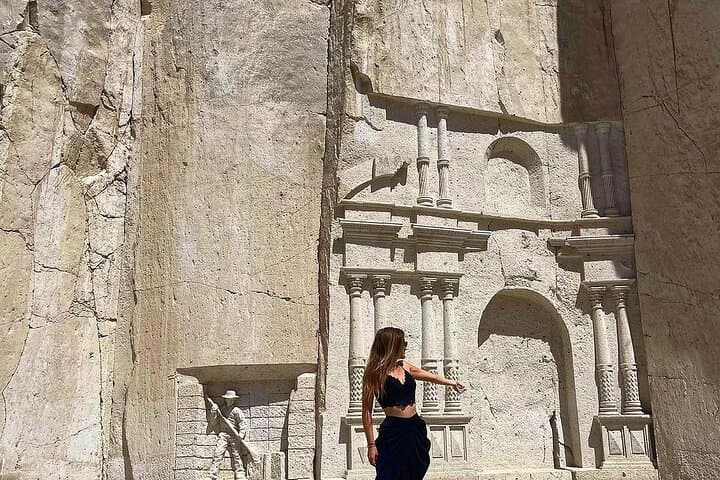
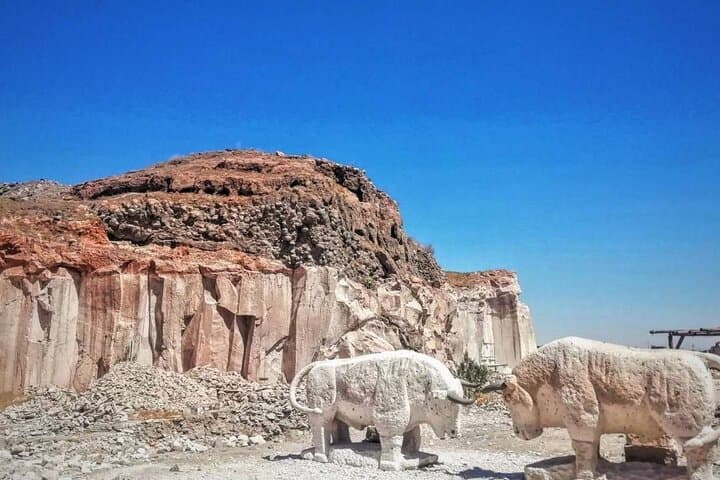
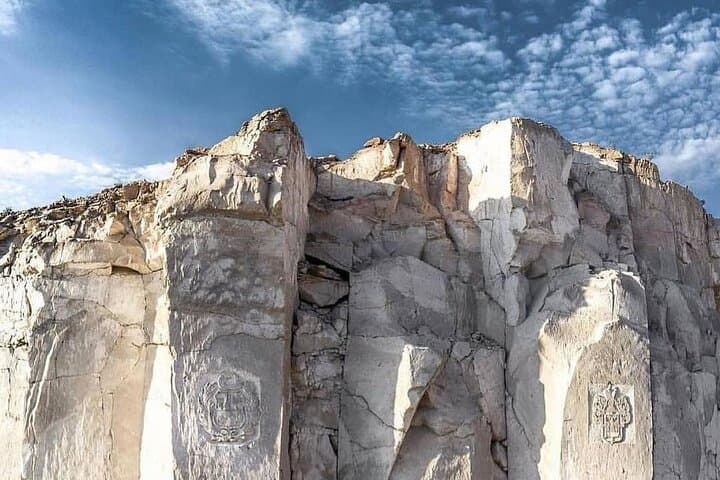
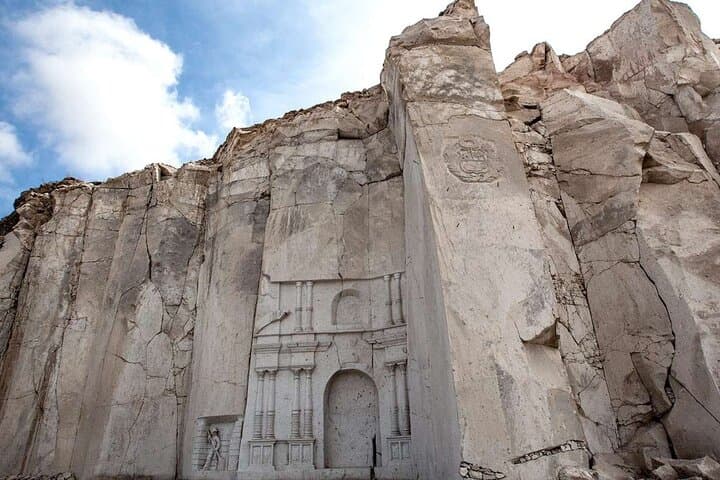
You step out of the van and the air bites a little—Arequipa's altitude sits over 2,300 meters and the light makes the volcanic white rock glow. The first view is a raw cliff face at the Añashuayco quarry: massive ignimbrite walls cut by generations of stonemasons, where blocks of sillar—Arequipa’s distinctive white volcanic tuff—have been shaped into columns and facades.
You step out of the van and the air bites a little—Arequipa's altitude sits over 2,300 meters and the light makes the volcanic white rock glow. The first view is a raw cliff face at the Añashuayco quarry: massive ignimbrite walls cut by generations of stonemasons, where blocks of sillar—Arequipa’s distinctive white volcanic tuff—have been shaped into columns and facades.
This route threads geology and human craft. The sillar formed from ancient ash flows; its soft, workable texture is why colonial builders used it to sculpt the city’s baroque churches. A short walk into Quebrada de Culebrillas reveals a narrow water-carved canyon with 15–20 meter walls and Wari-era petroglyph panels more than a thousand years old. Apachetas—carefully balanced stone stacks—mark gratitude and passage along the route.
Expect easy walking: the canyon walk is roughly 20 minutes on uneven, rocky ground with minimal elevation change. Bring sun protection and closed shoes—loose ash and quarry edges demand stable footing. Photography is excellent in late morning light; if you’re prone to altitude effects, slow your pace and hydrate before the hike.
Culturally attentive travelers will notice stonemasons still working at dawn and small roadside workshops selling sillar souvenirs—supporting local craft helps keep traditional skills alive. Leave no trace near petroglyphs: these engravings are fragile and irreversible. On a half-day tour you’ll get history, geology, and hands-on views of the material that built a city—compact, tangible, and surprisingly immediate.