THE ADVENTURE COLLECTIVE® · Independent discovery and booking for outdoor travel

Walk Arequipa’s historic center tasting rocoto relleno, ocopa and queso helado while learning how volcanic stone and highland crops shaped local dishes. This four‑hour guided food walk blends market visits, neighborhood stops and panoramic views of El Misti.
Walk Arequipa’s historic center tasting rocoto relleno, ocopa and queso helado while learning how volcanic stone and highland crops shaped local dishes. This four‑hour guided food walk blends market visits, neighborhood stops and panoramic views of El Misti.
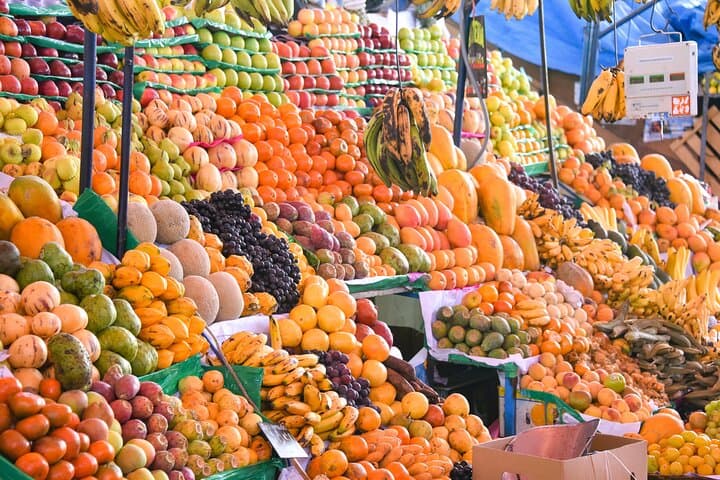
You step into San Camilo Market and the air rearranges itself around spices, fried dough and the cool breath of citrus—this is Arequipa on the move. Vendors call out in Quechua and Spanish, tubs of sillar-white cheese sit beside crates of bright rocoto peppers, and the Misti volcano watches from beyond the rooftops, daring you to look up between tastings.
Verified experiences and guided adventures in the surrounding area.
Operated by Tangol · Arequipa, Arequipa
You step into San Camilo Market and the air rearranges itself around spices, fried dough and the cool breath of citrus—this is Arequipa on the move. Vendors call out in Quechua and Spanish, tubs of sillar-white cheese sit beside crates of bright rocoto peppers, and the Misti volcano watches from beyond the rooftops, daring you to look up between tastings.
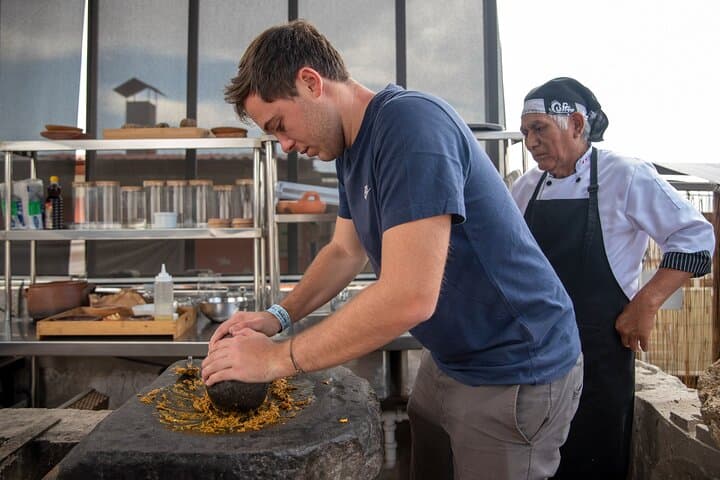
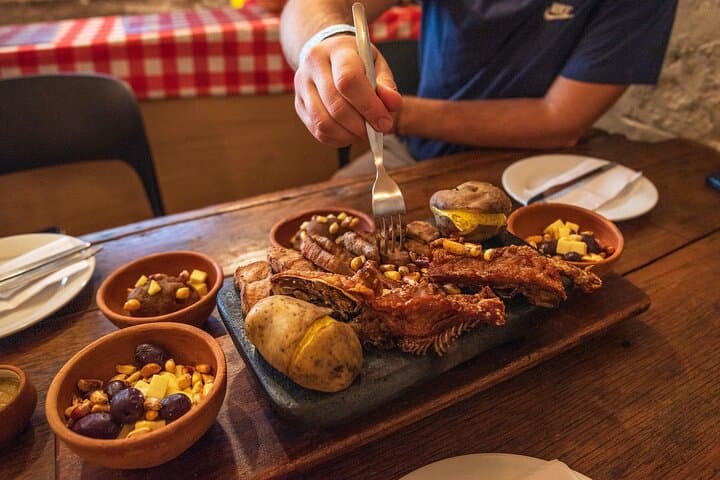
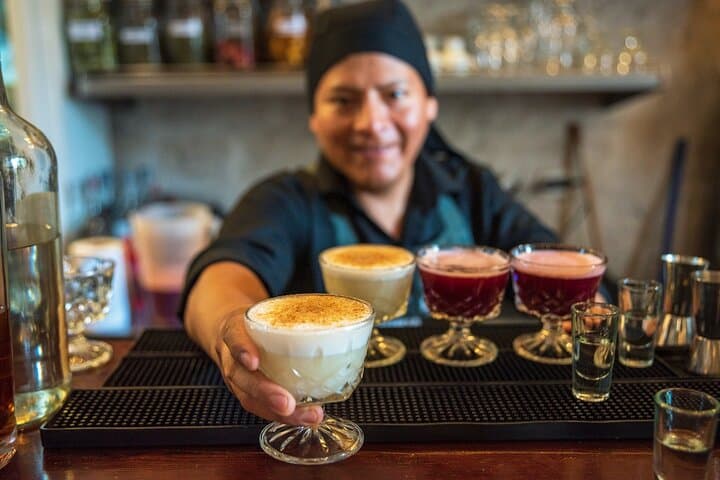
Arequipa grew from volcanic stone; the city’s colonial era center—declared a UNESCO site in 2000—was quarried from the local sillar and rebuilt after powerful 19th-century earthquakes. That geology shapes the culinary culture: mountain-grown tubers, Andean grains and coastal fish brought inland by historic trade routes. The tour moves from San Camilo’s rebuilt market to the Plaza de Armas and the narrow lanes of San Lázaro, pairing architectural context with classic plates: rocoto relleno, ocopa, chicha morada and the creamy queso helado.
Practical guidance: this is a walking, urban food tour of roughly four hours with intermittent standing and short walks—expect 2–3 miles total at high altitude (Arequipa sits around 2,300 m/7,500 ft). Hydrate before you begin, pace tastings if you have dietary restrictions and alert your guide to allergies in advance. Comfortable shoes and sun protection matter more than formal attire; mornings are cooler and clearer for views of Misti. Arrive 10 minutes early to the meeting point and bring cash for optional market purchases and tips. The route favors small, family-run kitchens—supporting them keeps culinary traditions thriving while reducing the tour’s footprint.
easy.
4 hours.
Comfortable walking ability for 2–3 miles on mostly flat city streets; able to stand for tastings and handle short stairs.
Yes—many stops offer vegetarian versions (potatoes, ocopa, sango) but notify the operator at booking for the best options.
Children are welcome; those 4 and younger can join complimentary if they do not occupy a seat or request food—check age policies when booking.
Expect 2–3 miles of walking over four hours with regular stops for tastings and short rests; mostly flat but some cobbled streets and stairs in historic neighborhoods.
It's recommended: if you're arriving from sea level, spend a day or two in Arequipa to acclimate and avoid overexertion on the first day.
Arequipa’s center was built from local volcanic stone (sillar) and rebuilt after major 19th-century earthquakes; its colonial layout and Jesuit cloisters reflect Spanish-era urban planning.
Choose eateries that source local produce and decline single-use utensils; supporting family-run kitchens helps sustain regional culinary traditions and local livelihoods.
Tangol operates guided outdoor trips and adventures with an emphasis on safety, stewardship, and memorable experiences.
You step into San Camilo Market and the air rearranges itself around spices, fried dough and the cool breath of citrus—this is Arequipa on the move. Vendors call out in Quechua and Spanish, tubs of sillar-white cheese sit beside crates of bright rocoto peppers, and the Misti volcano watches from beyond the rooftops, daring you to look up between tastings.
You step into San Camilo Market and the air rearranges itself around spices, fried dough and the cool breath of citrus—this is Arequipa on the move. Vendors call out in Quechua and Spanish, tubs of sillar-white cheese sit beside crates of bright rocoto peppers, and the Misti volcano watches from beyond the rooftops, daring you to look up between tastings.
Arequipa grew from volcanic stone; the city’s colonial era center—declared a UNESCO site in 2000—was quarried from the local sillar and rebuilt after powerful 19th-century earthquakes. That geology shapes the culinary culture: mountain-grown tubers, Andean grains and coastal fish brought inland by historic trade routes. The tour moves from San Camilo’s rebuilt market to the Plaza de Armas and the narrow lanes of San Lázaro, pairing architectural context with classic plates: rocoto relleno, ocopa, chicha morada and the creamy queso helado.
Practical guidance: this is a walking, urban food tour of roughly four hours with intermittent standing and short walks—expect 2–3 miles total at high altitude (Arequipa sits around 2,300 m/7,500 ft). Hydrate before you begin, pace tastings if you have dietary restrictions and alert your guide to allergies in advance. Comfortable shoes and sun protection matter more than formal attire; mornings are cooler and clearer for views of Misti. Arrive 10 minutes early to the meeting point and bring cash for optional market purchases and tips. The route favors small, family-run kitchens—supporting them keeps culinary traditions thriving while reducing the tour’s footprint.