THE ADVENTURE COLLECTIVE® · Independent discovery and booking for outdoor travel

A full-day excursion east of Arequipa that pairs a rugged waterfall descent with otherworldly stone pillars carved by time. Ideal for hikers comfortable with altitude and uneven terrain, this tour blends geology, wildlife and regional culture into one accessible day trip.
A full-day excursion east of Arequipa that pairs a rugged waterfall descent with otherworldly stone pillars carved by time. Ideal for hikers comfortable with altitude and uneven terrain, this tour blends geology, wildlife and regional culture into one accessible day trip.
At dawn the road unfurls east of Arequipa, the volcanic flank of Misti shrinking behind you as high puna grass leans into the wind. By midmorning the bus stops at Pampa Cañahuas and vicuñas lift their heads like cutouts against the sky; later, a rocky descent and a rippling side-channel lead you to the Pillones waterfall, a sudden, clean drop framed by water-etched boulders.
Verified experiences and guided adventures in the surrounding area.
Operated by Puriy Perú Expeditions · Arequipa, Arequipa
At dawn the road unfurls east of Arequipa, the volcanic flank of Misti shrinking behind you as high puna grass leans into the wind. By midmorning the bus stops at Pampa Cañahuas and vicuñas lift their heads like cutouts against the sky; later, a rocky descent and a rippling side-channel lead you to the Pillones waterfall, a sudden, clean drop framed by water-etched boulders.
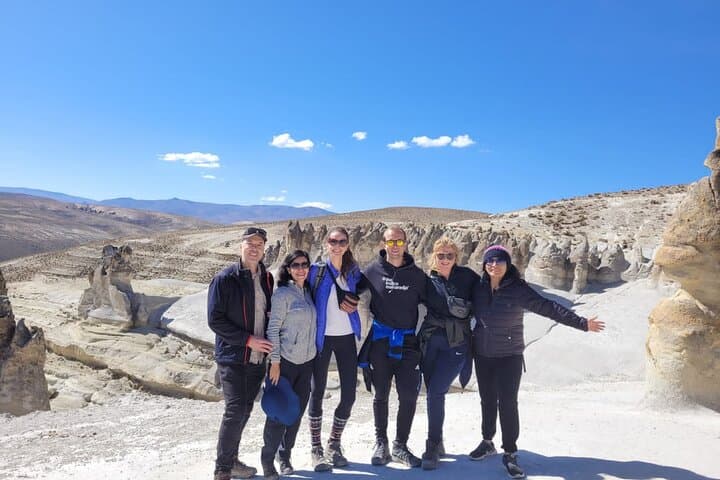
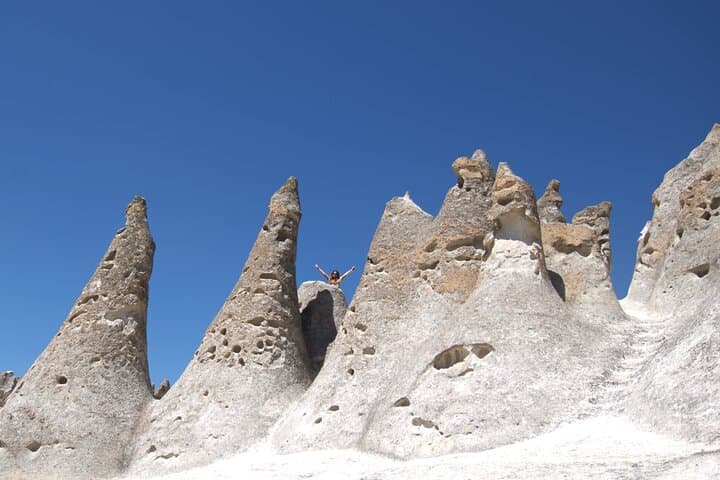
This landscape is young by geological standards: volcanic highs and glacially polished valleys give way to softer sediment that water carves into columns and pillars. The Imata or Puruña stone forests are not literal woods but stacked towers of eroded rock — the slow work of freeze, thaw and runoff shaped over millennia. Culturally, the route crosses territories once threaded by pre-Inca caravan trails; local villages still offer Andean mate and plate lunches that blend Spanish and Quechua influences.
Expect uneven terrain: a short steep descent to Pillones, rocky river-side walking and narrow gaps between stone columns at Puruña. Weather shifts fast at 4,200 m — sun can be fierce, and thin air makes every climb feel larger.
Practical guidance: start early to avoid afternoon winds and storms, hydrate well for higher altitude, and wear sturdy shoes with good grip for the rocky slope. Carry layers, sun protection and a small first-aid kit. Cameras thrive here: aim for side-lighting late morning to bring texture out of the stone pillars. The trip returns to Arequipa midafternoon, offering a compact but full day of highland geology, wildlife sightings and hands-on cultural moments.
moderate.
10 hours.
Moderate fitness required; comfortable with short steep descents and walking on uneven rocky terrain at altitude.
The full-day trip lasts about 10 hours and typically departs around 06:00 from Arequipa, returning mid-afternoon.
Yes—parts of the route reach about 4,200 m; acclimatize in Arequipa, hydrate, and consider coca tea or medication if you are prone to AMS.
The tour includes entrance to the falls and stone forest; lunch at a local restaurant is usually included but confirm with your operator before booking.
The descent involves a slightly rugged slope and river-side walking, so it's not recommended for people with serious back issues or limited mobility; infants must sit on laps per operator rules.
The corridor served as a transit zone for pre-Columbian trade routes; many stone formations are exposed bedrock sculpted since glacial retreats and volcanic activity.
Stay on marked tracks to protect fragile highland soils and avoid feeding wildlife; local communities depend on sustainable tourism for income.
Puriy Perú Expeditions operates guided outdoor trips and adventures with an emphasis on safety, stewardship, and memorable experiences.
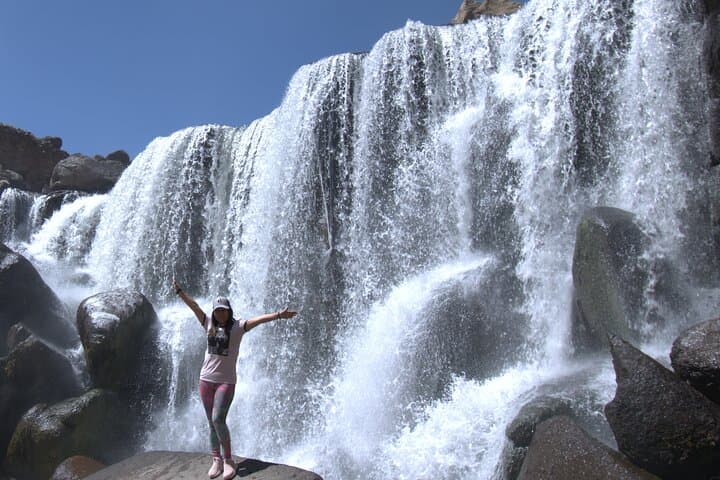
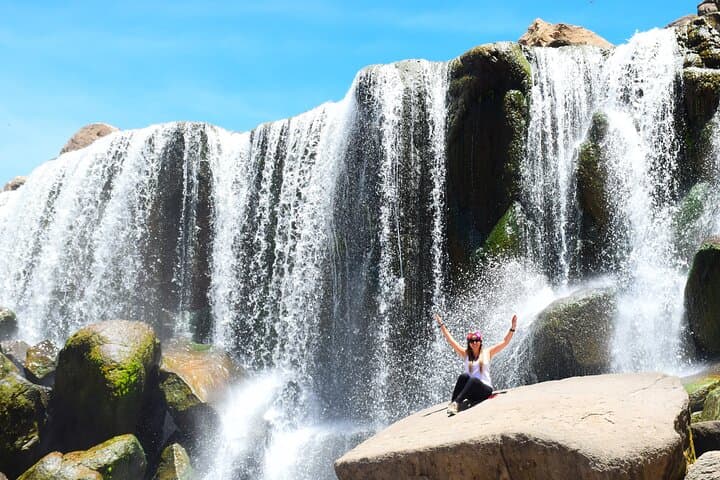
At dawn the road unfurls east of Arequipa, the volcanic flank of Misti shrinking behind you as high puna grass leans into the wind. By midmorning the bus stops at Pampa Cañahuas and vicuñas lift their heads like cutouts against the sky; later, a rocky descent and a rippling side-channel lead you to the Pillones waterfall, a sudden, clean drop framed by water-etched boulders.
At dawn the road unfurls east of Arequipa, the volcanic flank of Misti shrinking behind you as high puna grass leans into the wind. By midmorning the bus stops at Pampa Cañahuas and vicuñas lift their heads like cutouts against the sky; later, a rocky descent and a rippling side-channel lead you to the Pillones waterfall, a sudden, clean drop framed by water-etched boulders.
This landscape is young by geological standards: volcanic highs and glacially polished valleys give way to softer sediment that water carves into columns and pillars. The Imata or Puruña stone forests are not literal woods but stacked towers of eroded rock — the slow work of freeze, thaw and runoff shaped over millennia. Culturally, the route crosses territories once threaded by pre-Inca caravan trails; local villages still offer Andean mate and plate lunches that blend Spanish and Quechua influences.
Expect uneven terrain: a short steep descent to Pillones, rocky river-side walking and narrow gaps between stone columns at Puruña. Weather shifts fast at 4,200 m — sun can be fierce, and thin air makes every climb feel larger.
Practical guidance: start early to avoid afternoon winds and storms, hydrate well for higher altitude, and wear sturdy shoes with good grip for the rocky slope. Carry layers, sun protection and a small first-aid kit. Cameras thrive here: aim for side-lighting late morning to bring texture out of the stone pillars. The trip returns to Arequipa midafternoon, offering a compact but full day of highland geology, wildlife sightings and hands-on cultural moments.