THE ADVENTURE COLLECTIVE® · Independent discovery and booking for outdoor travel

Walk across basaltic lava and regenerating forest on a private guided hike around Arenal Volcano. Learn the geological history of the 1968 eruption while enjoying tailored routes, wildlife sightings, and practical local expertise.
Walk across basaltic lava and regenerating forest on a private guided hike around Arenal Volcano. Learn the geological history of the 1968 eruption while enjoying tailored routes, wildlife sightings, and practical local expertise.
Standing at the edge of cooled lava, you feel the ground's ancient heat in its angles and cracks—Arenal’s basaltic andesite fields are a walk through recent geology. A local guide leads a private group along routes that thread between ribboned lava rock and patches of young forest, the trees pushing back into spaces once buried by molten stone.
Verified experiences and guided adventures in the surrounding area.
Operated by Traluxu Travel · La Fortuna, Alajuela
Standing at the edge of cooled lava, you feel the ground's ancient heat in its angles and cracks—Arenal’s basaltic andesite fields are a walk through recent geology. A local guide leads a private group along routes that thread between ribboned lava rock and patches of young forest, the trees pushing back into spaces once buried by molten stone.
Geology here is immediate: Arenal is one of Costa Rica’s youngest volcanoes, roughly 7,000 years old, with a catastrophic eruption in 1968 that reshaped valley communities and turned La Fortuna into a focal point for study and recovery. The trail alternates hard, uneven lava fields with soft, regenerating soil where wildlife has begun to recolonize—coatis and tropical birds are common on quieter sections.
Culturally, the area reflects a resilient relationship between people and the volcano; local guides share oral history alongside scientific context. Practicality governs the day: hikes are tailored from about 1 to 4 miles (1.6–6.4 km), typically lasting up to four hours with moderate elevation changes and uneven footing. Expect sun, sudden showers, and mosquitoes in shaded gullies.
Plan for layered clothing, hiking shoes with good grip, plenty of water, and insect repellent. Morning departures avoid afternoon rains and maximize views. The route’s private nature means pace and distance are flexible—ideal for photographers or anyone wanting a measured immersion in volcanic landscapes. Respect trail limits: the rock is sharp, and the fragile regrowth zones recover slowly under foot traffic.
moderate.
3–4 hours.
Moderate fitness; able to hike over uneven ground and short steep sections.
Guides tailor the route between about 1 and 4 miles (1.6–6.4 km); tours commonly run up to four hours including stops.
Private pacing makes it possible for many ages, but uneven lava and some steep steps require moderate mobility and supervision for young children.
This excursion includes park admission as noted by the operator, but confirm at booking for any updated fees.
Expect birds (motmots, tanagers) and small mammals like coatis; larger wildlife sightings are less common on active visitor trails.
Arenal remained quiet for about 400 years before a major eruption in 1968 that devastated nearby communities and altered the landscape; eruptions tapered off by 2010, turning the area into a center for geological study and tourism.
Stay on established trails to protect fragile regrowth; local guides promote low-impact practices and the operator follows cleaning and disinfection protocols.
Traluxu Travel operates guided outdoor trips and adventures with an emphasis on safety, stewardship, and memorable experiences.
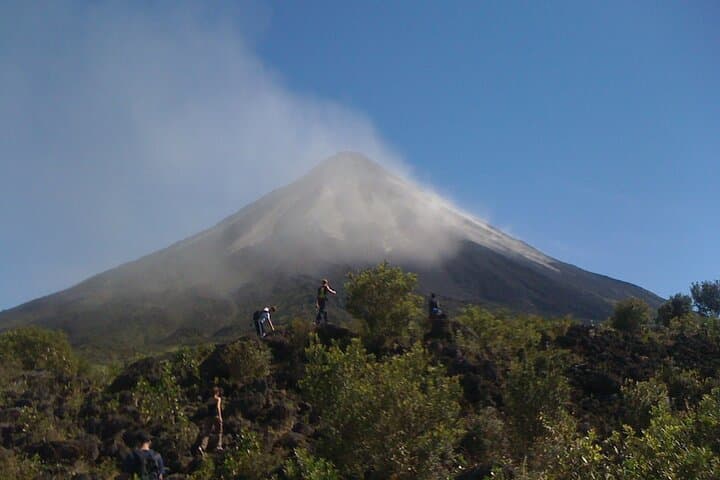
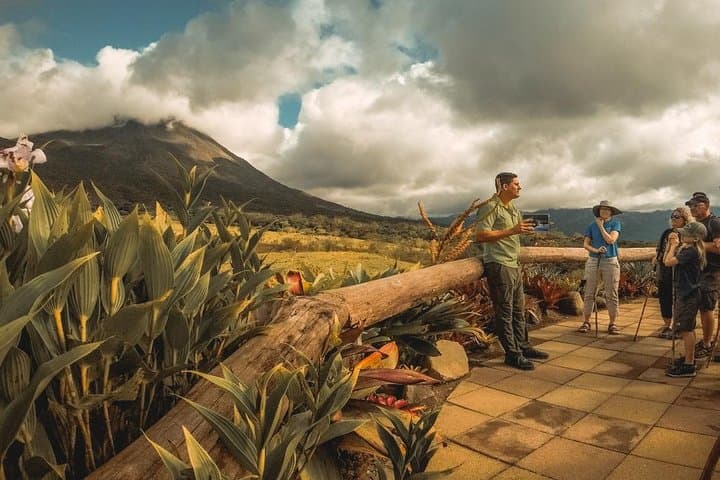
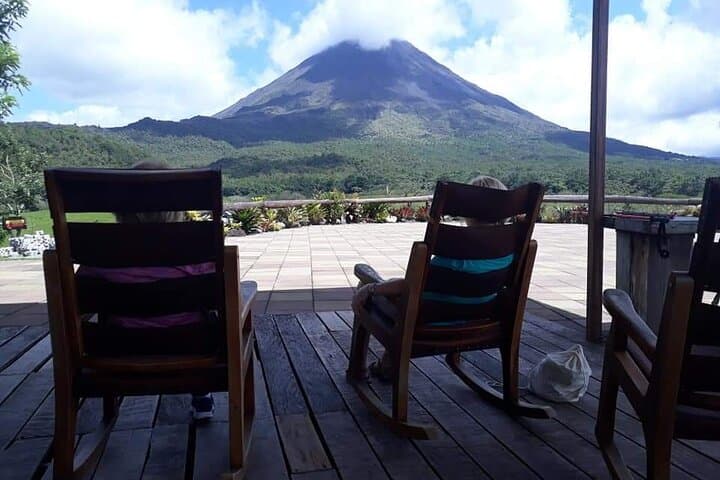
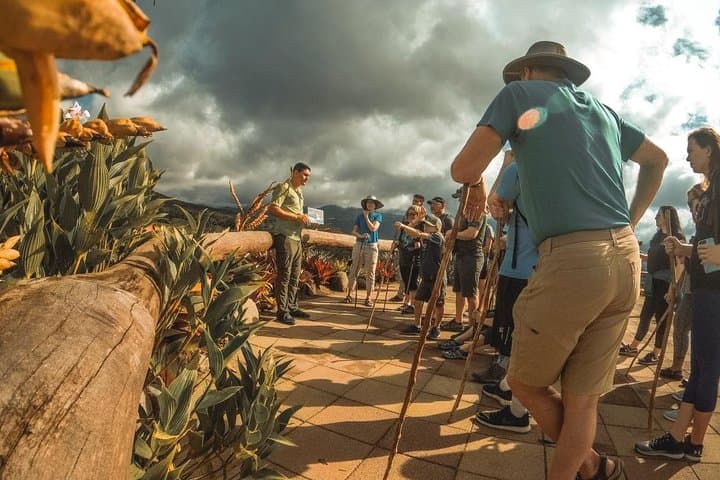
Standing at the edge of cooled lava, you feel the ground's ancient heat in its angles and cracks—Arenal’s basaltic andesite fields are a walk through recent geology. A local guide leads a private group along routes that thread between ribboned lava rock and patches of young forest, the trees pushing back into spaces once buried by molten stone.
Standing at the edge of cooled lava, you feel the ground's ancient heat in its angles and cracks—Arenal’s basaltic andesite fields are a walk through recent geology. A local guide leads a private group along routes that thread between ribboned lava rock and patches of young forest, the trees pushing back into spaces once buried by molten stone.
Geology here is immediate: Arenal is one of Costa Rica’s youngest volcanoes, roughly 7,000 years old, with a catastrophic eruption in 1968 that reshaped valley communities and turned La Fortuna into a focal point for study and recovery. The trail alternates hard, uneven lava fields with soft, regenerating soil where wildlife has begun to recolonize—coatis and tropical birds are common on quieter sections.
Culturally, the area reflects a resilient relationship between people and the volcano; local guides share oral history alongside scientific context. Practicality governs the day: hikes are tailored from about 1 to 4 miles (1.6–6.4 km), typically lasting up to four hours with moderate elevation changes and uneven footing. Expect sun, sudden showers, and mosquitoes in shaded gullies.
Plan for layered clothing, hiking shoes with good grip, plenty of water, and insect repellent. Morning departures avoid afternoon rains and maximize views. The route’s private nature means pace and distance are flexible—ideal for photographers or anyone wanting a measured immersion in volcanic landscapes. Respect trail limits: the rock is sharp, and the fragile regrowth zones recover slowly under foot traffic.