THE ADVENTURE COLLECTIVE® · Independent discovery and booking for outdoor travel

Walk the hardened lava of Arenal’s 1968 flow, then slip beneath rainforest canopy to look for monkeys, sloths and toucans. This 2–3 hour private hike from La Fortuna pairs volcanic geology with approachable wildlife viewing and local guide knowledge.
Walk the hardened lava of Arenal’s 1968 flow, then slip beneath rainforest canopy to look for monkeys, sloths and toucans. This 2–3 hour private hike from La Fortuna pairs volcanic geology with approachable wildlife viewing and local guide knowledge.
You step out of the shuttle and the cone of Arenal fills the sky — a near-perfect peak rising to 1,657 meters, its slopes still marked by the black scars of volcanic flows. The trail pushes across old basalt, the cooled lava from the dramatic 1968 eruption that reshaped this valley, then ducks into humid rainforest where leaves drip and birds call.
Verified experiences and guided adventures in the surrounding area.
Operated by Yaxché Experience Costa Rica · La Fortuna, Alajuela
You step out of the shuttle and the cone of Arenal fills the sky — a near-perfect peak rising to 1,657 meters, its slopes still marked by the black scars of volcanic flows. The trail pushes across old basalt, the cooled lava from the dramatic 1968 eruption that reshaped this valley, then ducks into humid rainforest where leaves drip and birds call.
Geology here is immediate: blocky pahoehoe and aa textures give way to soil that feeds a dense secondary forest. The 1968 event is the modern hinge in Arenal’s history — it turned a quiet landscape into one of Costa Rica’s most photographed landmarks and redirected local livelihoods toward tourism and conservation. Guides who grew up around La Fortuna share stories of eruptions, cattle routes turned trails, and how the lake and agricultural terraces below shape community life.
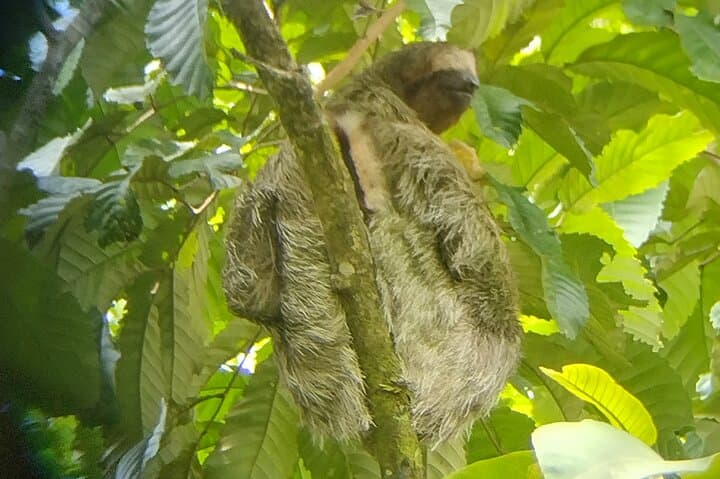
Expect a mix of terrain: 2–4 km of walking on uneven volcanic rock and packed dirt with modest elevation changes, then shaded singletrack through primary and secondary forest. Wildlife is common — eyes catch monkeys and sloths in the canopy, toucans flash color, and frogs call after rain. The walk’s private format means a slower pace for spotting and questions.
Practical: wear sturdy shoes with ankle support, bring 1–2 liters of water, insect repellent and a lightweight rain shell. Morning departures are best for cooler temps and active wildlife; afternoons are wetter. Stay on marked routes, follow your guide’s instructions near unstable rock, and carry a camera with a telephoto for canopy shots. The route is achievable for moderately fit hikers comfortable on uneven ground and offers a compact, wildlife-rich encounter with one of Costa Rica’s most dramatic volcanoes.
moderate.
2–3 hours.
Moderate — should be able to walk uneven terrain and short, sometimes steep sections for a few hours
You’ll walk across the accessible, legally open sections of the most recent lava fields; guides keep you to permitted trails and lookout points for safety.
Yes for school-age children who can hike moderate terrain; strollers are mentioned as possible for very small children on easier segments, but expect uneven ground.
Yes — entrance fees and private shuttle service are listed as included in the tour price.
Common sightings include white-faced capuchin monkeys, two-toed sloths, toucans, various frogs and small mammals; sightings depend on time of day and season.
Arenal was largely quiet until a major eruption in 1968 that altered local landscapes and launched a tourism shift around La Fortuna.
Stay on marked trails, avoid disturbing wildlife, and support local guides to minimize impact; local reserves focus on reforestation and watershed protection.
Yaxché Experience Costa Rica operates guided outdoor trips and adventures with an emphasis on safety, stewardship, and memorable experiences.
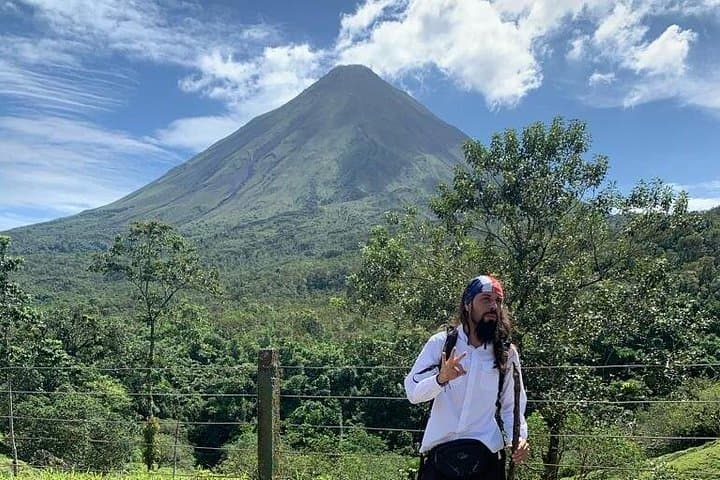
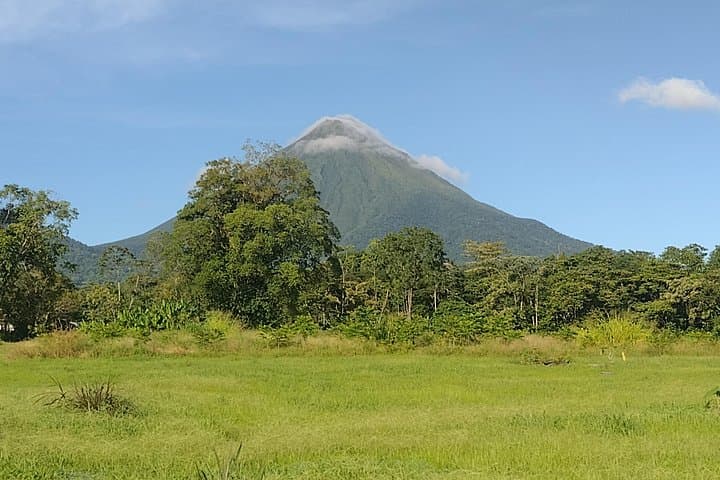
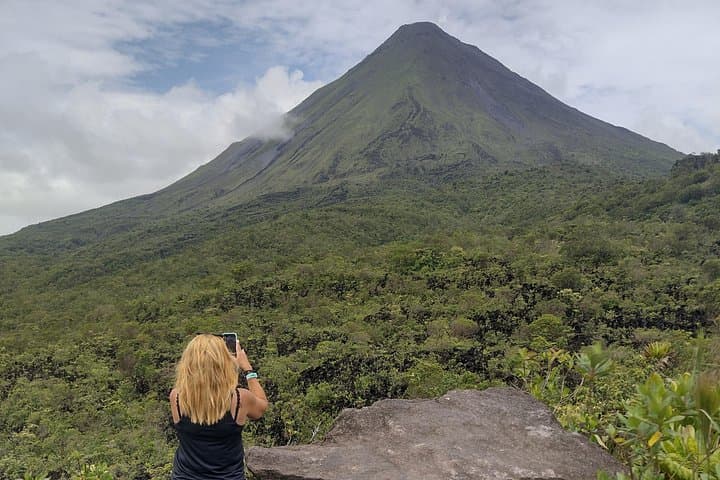
You step out of the shuttle and the cone of Arenal fills the sky — a near-perfect peak rising to 1,657 meters, its slopes still marked by the black scars of volcanic flows. The trail pushes across old basalt, the cooled lava from the dramatic 1968 eruption that reshaped this valley, then ducks into humid rainforest where leaves drip and birds call.
You step out of the shuttle and the cone of Arenal fills the sky — a near-perfect peak rising to 1,657 meters, its slopes still marked by the black scars of volcanic flows. The trail pushes across old basalt, the cooled lava from the dramatic 1968 eruption that reshaped this valley, then ducks into humid rainforest where leaves drip and birds call.
Geology here is immediate: blocky pahoehoe and aa textures give way to soil that feeds a dense secondary forest. The 1968 event is the modern hinge in Arenal’s history — it turned a quiet landscape into one of Costa Rica’s most photographed landmarks and redirected local livelihoods toward tourism and conservation. Guides who grew up around La Fortuna share stories of eruptions, cattle routes turned trails, and how the lake and agricultural terraces below shape community life.
Expect a mix of terrain: 2–4 km of walking on uneven volcanic rock and packed dirt with modest elevation changes, then shaded singletrack through primary and secondary forest. Wildlife is common — eyes catch monkeys and sloths in the canopy, toucans flash color, and frogs call after rain. The walk’s private format means a slower pace for spotting and questions.
Practical: wear sturdy shoes with ankle support, bring 1–2 liters of water, insect repellent and a lightweight rain shell. Morning departures are best for cooler temps and active wildlife; afternoons are wetter. Stay on marked routes, follow your guide’s instructions near unstable rock, and carry a camera with a telephoto for canopy shots. The route is achievable for moderately fit hikers comfortable on uneven ground and offers a compact, wildlife-rich encounter with one of Costa Rica’s most dramatic volcanoes.