THE ADVENTURE COLLECTIVE® · Independent discovery and booking for outdoor travel

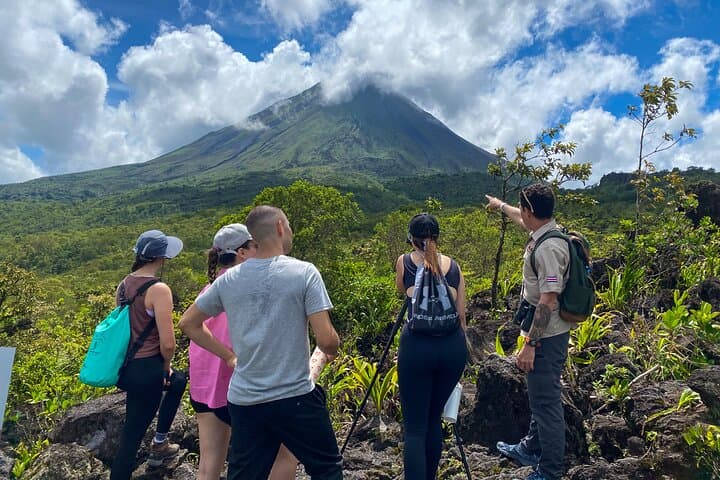
Walk old lava flows and regenerating rainforest on a guided hike up Arenal Volcano’s slopes. This 4–6 hour, guide-led experience blends geology, local history, and accessible trail sections for active travelers.
Walk old lava flows and regenerating rainforest on a guided hike up Arenal Volcano’s slopes. This 4–6 hour, guide-led experience blends geology, local history, and accessible trail sections for active travelers.
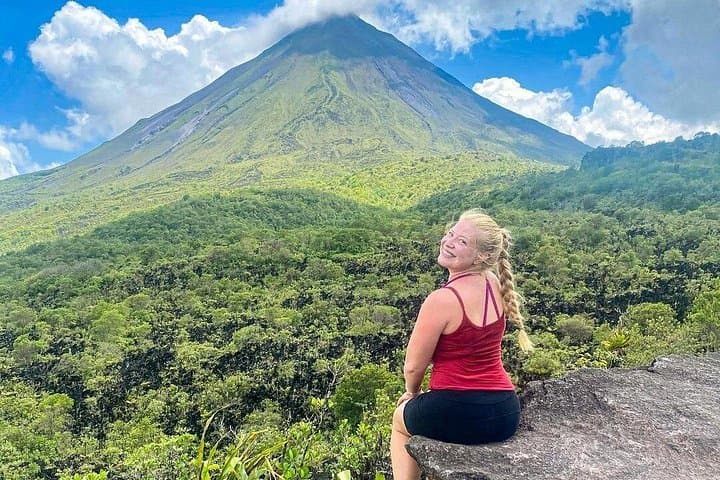
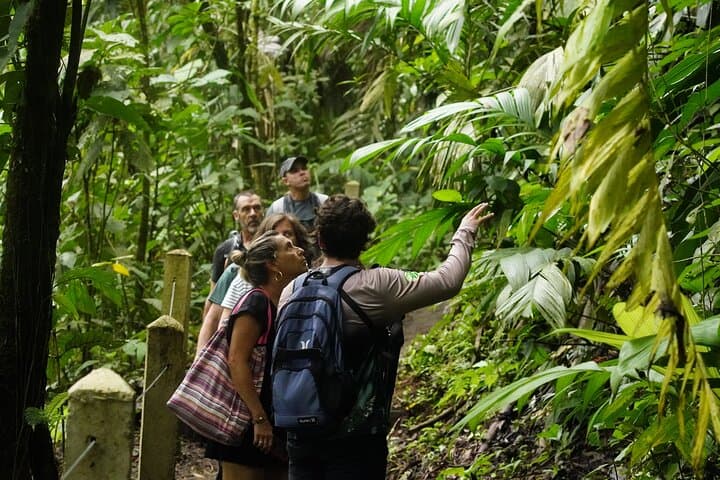
The trail opens with a concert of bird calls and the sharp smell of wet earth as the path climbs toward Arenal's blackened scars. Under a wide sky, walkers pass hummocks of old lava—ridges and ropes where molten rock cooled into jagged sculptures—while the rainforest presses close, ferns brushing your sleeves and coatis darting through the understory.
Verified experiences and guided adventures in the surrounding area.
Operated by Canoa Aventura · La Fortuna, Alajuela
The trail opens with a concert of bird calls and the sharp smell of wet earth as the path climbs toward Arenal's blackened scars. Under a wide sky, walkers pass hummocks of old lava—ridges and ropes where molten rock cooled into jagged sculptures—while the rainforest presses close, ferns brushing your sleeves and coatis darting through the understory.
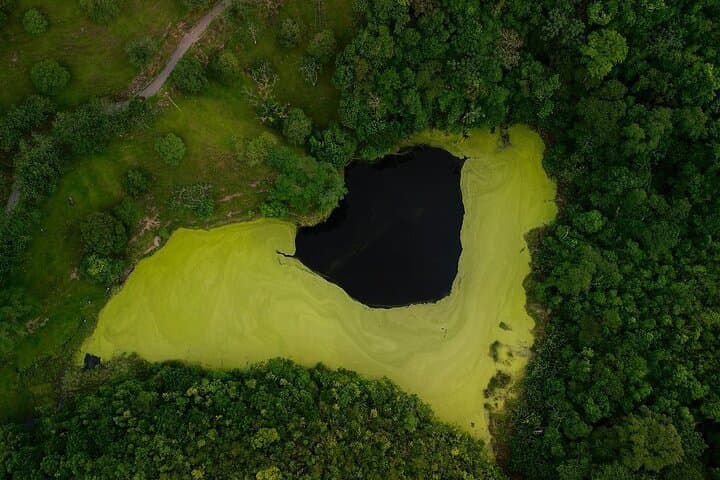
Arenal is geologically young: its near-perfect cone was reshaped by a major 1968 eruption that buried the old town and redirected rivers of lava. The park around the volcano shows both that violent history and nature’s comeback — secondary forest and pioneering plants reclaiming former flow channels. Locals rebuilt La Fortuna nearby; the town’s name refers to the “good fortune” of fertile soils and abundant springs that followed volcanic renewal.
Culturally, the area is tied to small-scale agriculture, ecotourism, and hot-spring culture; many hikers combine a morning on the trails with an afternoon soak. Guides certified by the Costa Rican Tourism Institute interpret geology, flora, and fauna, translating technical details into vivid field stories.
Practical guidance: expect uneven volcanic terrain, loose rock, and short steep sections across a 4–6 hour outing. Mornings are cooler and drier; bring a refillable water bottle, a breathable rain shell, sturdy shoes with good traction, and insect repellent. Stick to marked trails, follow your guide’s briefings, and allow time after the hike if you plan to visit hot springs. The walk is moderate in effort but rich in tangible reminders of the earth’s power and the rainforest’s recovery.
moderate.
4–6 hours.
Moderately fit: comfortable walking 6–10 km with short steep sections and uneven volcanic rock.
The tour is rated light–medium; beginners who are reasonably active and comfortable on uneven ground can usually complete the route with rest breaks.
Arenal is monitored by Costa Rican authorities; guided walks occur on protected park slopes and guides keep to safe zones away from current monitoring sites.
Guides typically recommend bringing your own water bottle and snacks; some tours may include bottled water—confirm at booking.
Arenal’s 1968 eruption largely destroyed the original town and reshaped local settlement patterns; the current cone formed through repeated eruptions over the 20th century.
The area emphasizes low-impact tourism—stay on trails, carry out trash, and use refillable bottles to reduce plastic waste and protect regenerating habitats.
Canoa Aventura operates guided outdoor trips and adventures with an emphasis on safety, stewardship, and memorable experiences.
The trail opens with a concert of bird calls and the sharp smell of wet earth as the path climbs toward Arenal's blackened scars. Under a wide sky, walkers pass hummocks of old lava—ridges and ropes where molten rock cooled into jagged sculptures—while the rainforest presses close, ferns brushing your sleeves and coatis darting through the understory.
The trail opens with a concert of bird calls and the sharp smell of wet earth as the path climbs toward Arenal's blackened scars. Under a wide sky, walkers pass hummocks of old lava—ridges and ropes where molten rock cooled into jagged sculptures—while the rainforest presses close, ferns brushing your sleeves and coatis darting through the understory.
Arenal is geologically young: its near-perfect cone was reshaped by a major 1968 eruption that buried the old town and redirected rivers of lava. The park around the volcano shows both that violent history and nature’s comeback — secondary forest and pioneering plants reclaiming former flow channels. Locals rebuilt La Fortuna nearby; the town’s name refers to the “good fortune” of fertile soils and abundant springs that followed volcanic renewal.
Culturally, the area is tied to small-scale agriculture, ecotourism, and hot-spring culture; many hikers combine a morning on the trails with an afternoon soak. Guides certified by the Costa Rican Tourism Institute interpret geology, flora, and fauna, translating technical details into vivid field stories.
Practical guidance: expect uneven volcanic terrain, loose rock, and short steep sections across a 4–6 hour outing. Mornings are cooler and drier; bring a refillable water bottle, a breathable rain shell, sturdy shoes with good traction, and insect repellent. Stick to marked trails, follow your guide’s briefings, and allow time after the hike if you plan to visit hot springs. The walk is moderate in effort but rich in tangible reminders of the earth’s power and the rainforest’s recovery.