THE ADVENTURE COLLECTIVE® · Independent discovery and booking for outdoor travel

Drive a quad through rainforest trails and the impact craters left by Arenal’s 1968 eruption. Expect about 10 km of mixed terrain, volcanic clay, guided viewpoints and a tropical fruit break.
Drive a quad through rainforest trails and the impact craters left by Arenal’s 1968 eruption. Expect about 10 km of mixed terrain, volcanic clay, guided viewpoints and a tropical fruit break.
You kick the throttle and the rainforest answers — leaves whisper, clay spits from the tires and the volcano watches, patient and massive. The trail threads roughly 10 kilometers through mixed rainforest and the battered edges of the 1968 Arenal eruption, alternating between tight jungle singletrack, open crater rims and short, adrenaline-tinged descents.
Verified experiences and guided adventures in the surrounding area.
Operated by Arenal 1968 Volcano View & Trails · La Fortuna, Alajuela
You kick the throttle and the rainforest answers — leaves whisper, clay spits from the tires and the volcano watches, patient and massive. The trail threads roughly 10 kilometers through mixed rainforest and the battered edges of the 1968 Arenal eruption, alternating between tight jungle singletrack, open crater rims and short, adrenaline-tinged descents.
Arenal’s 1968 eruption reshaped the landscape: fields of impact craters and fresh scarps turn the usual forest picture into a raw, geological classroom. The volcano itself rises to 1,657 meters, while tour routes sit lower, around the La Fortuna basin, offering broad volcanic vistas and close looks at secondary cones and lava-scarred soil that give the trail its clayey, sticky feel.
Culturally, this region is embedded in small agricultural towns and eco-tourism infrastructure — expect friendly guides who weave volcanic history, local fruit tasting and a respect-for-nature ethic into the ride. Wildlife here is shy but present; howler monkeys and toucans often announce your passage.
Practically: the route is designed for first-timers and experienced riders alike — basic instruction is given, and quads are four-wheel capable for rough terrain. Wear long pants, closed-toe shoes and bring a waterproof layer; a short 1–2 hour window on the trail can include muddy sections, steep ruts and exposed viewpoints where wind will bite. Hydrate before you mount; the guide provides water and a tropical fruit stop. If rain comes, expect slower, slipperier riding and more clay on the brakes.
This ATV loop is concise but varied: technical bursts, panoramic pauses and close encounters with the geology that made Arenal one of Costa Rica’s most dramatic outdoor classrooms.
moderate.
1–2 hours.
Suitable for most active travelers; you should have basic coordination and the ability to mount/dismount repeatedly.
No — operators provide basic instruction and keep the route manageable for first-time riders, though previous experience helps with confidence on rougher sections.
Age policies vary by operator; many require drivers to be at least 16, with younger children able to ride as passengers — confirm at booking.
Trails can become clay-heavy and slippery after rain; guides adjust speed and line choices, but expect slower, more technical riding and splatter from volcanic clay.
Most tours include helmets and basic safety equipment; verify inclusions before arrival and bring your own gloves or eye protection if you prefer.
Arenal’s dramatic 1968 eruption destroyed the old town at the volcano’s base and created a landscape of impact craters and fresh lava that defines many nearby trails today.
Operators typically follow leave-no-trace practices and limit group sizes to reduce habitat disturbance; stick to marked tracks to help prevent erosion on volcanic soils.
Arenal 1968 Volcano View & Trails operates guided outdoor trips and adventures with an emphasis on safety, stewardship, and memorable experiences.
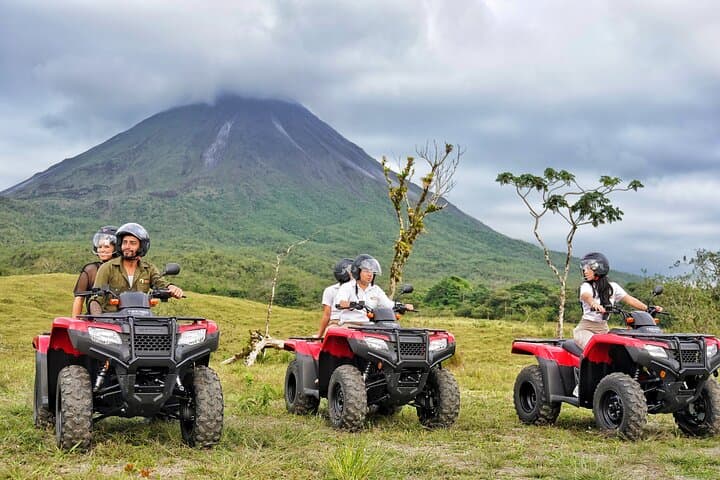
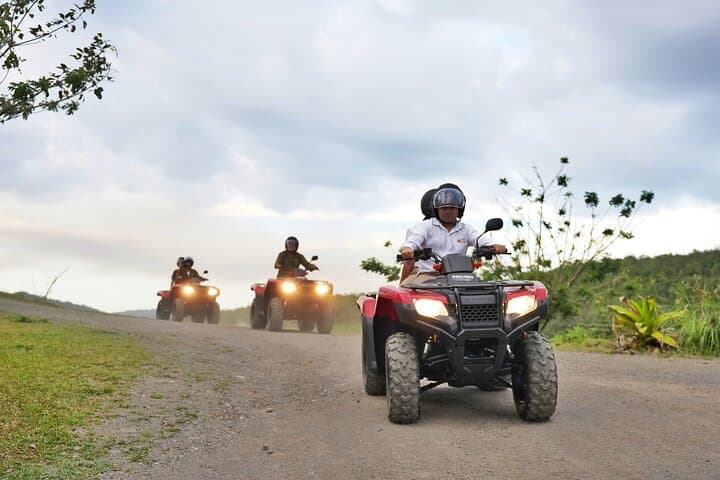
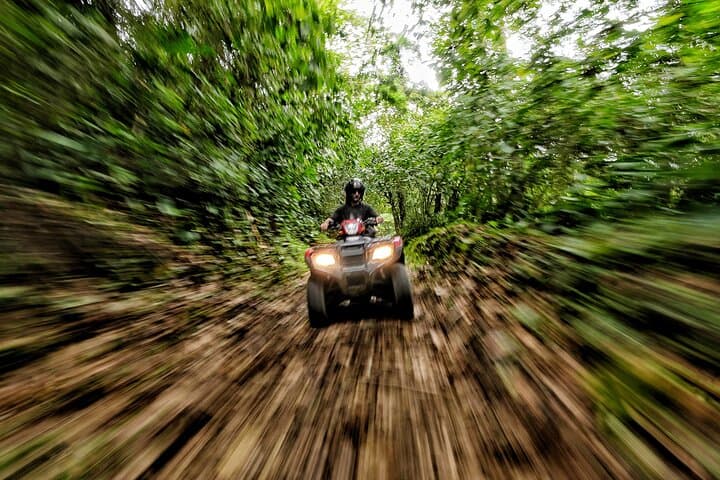
You kick the throttle and the rainforest answers — leaves whisper, clay spits from the tires and the volcano watches, patient and massive. The trail threads roughly 10 kilometers through mixed rainforest and the battered edges of the 1968 Arenal eruption, alternating between tight jungle singletrack, open crater rims and short, adrenaline-tinged descents.
You kick the throttle and the rainforest answers — leaves whisper, clay spits from the tires and the volcano watches, patient and massive. The trail threads roughly 10 kilometers through mixed rainforest and the battered edges of the 1968 Arenal eruption, alternating between tight jungle singletrack, open crater rims and short, adrenaline-tinged descents.
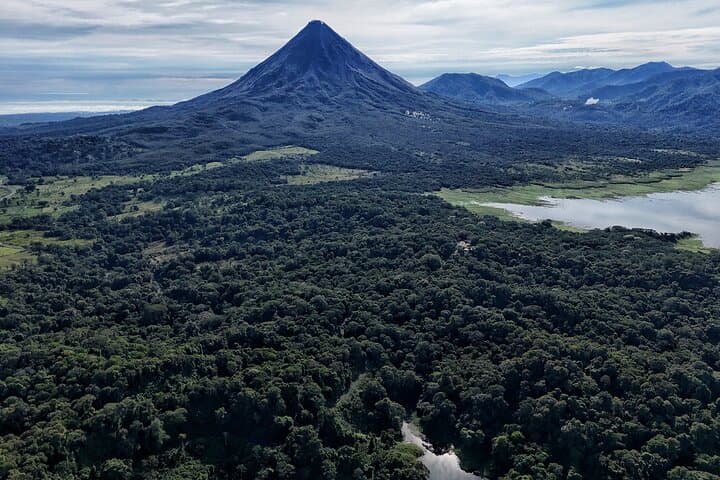
Arenal’s 1968 eruption reshaped the landscape: fields of impact craters and fresh scarps turn the usual forest picture into a raw, geological classroom. The volcano itself rises to 1,657 meters, while tour routes sit lower, around the La Fortuna basin, offering broad volcanic vistas and close looks at secondary cones and lava-scarred soil that give the trail its clayey, sticky feel.
Culturally, this region is embedded in small agricultural towns and eco-tourism infrastructure — expect friendly guides who weave volcanic history, local fruit tasting and a respect-for-nature ethic into the ride. Wildlife here is shy but present; howler monkeys and toucans often announce your passage.
Practically: the route is designed for first-timers and experienced riders alike — basic instruction is given, and quads are four-wheel capable for rough terrain. Wear long pants, closed-toe shoes and bring a waterproof layer; a short 1–2 hour window on the trail can include muddy sections, steep ruts and exposed viewpoints where wind will bite. Hydrate before you mount; the guide provides water and a tropical fruit stop. If rain comes, expect slower, slipperier riding and more clay on the brakes.
This ATV loop is concise but varied: technical bursts, panoramic pauses and close encounters with the geology that made Arenal one of Costa Rica’s most dramatic outdoor classrooms.