THE ADVENTURE COLLECTIVE® · Independent discovery and booking for outdoor travel

Walk into Arecibo's coastal caves with a guide who reads the stones. This five-and-a-half-hour tour pairs Taino petroglyphs and African-descended cultural stories with lighthouse views and a final swim at Clearwater Beach.
Walk into Arecibo's coastal caves with a guide who reads the stones. This five-and-a-half-hour tour pairs Taino petroglyphs and African-descended cultural stories with lighthouse views and a final swim at Clearwater Beach.
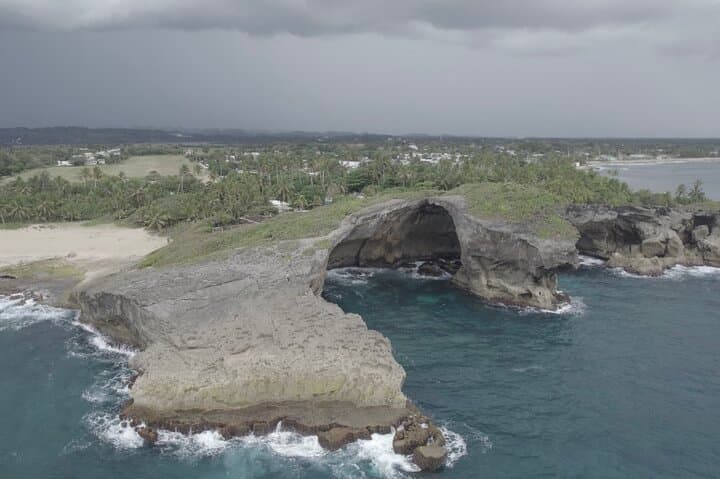
The day opens on sharp Atlantic light and the salt-scented air of Arecibo as a small shuttle eases off the coastal road. Passengers step out where stone meets surf — the entrance to Cueva del Indio gapes like an old mouth carved by wave and time. The guide moves with an easy authority, pointing to petroglyph panels etched into low ledges, gestures that tie the present to Taino hands that read the horizon centuries earlier.
Verified experiences and guided adventures in the surrounding area.
Operated by Utopia Shuttle · Arecibo, Puerto Rico
The day opens on sharp Atlantic light and the salt-scented air of Arecibo as a small shuttle eases off the coastal road. Passengers step out where stone meets surf — the entrance to Cueva del Indio gapes like an old mouth carved by wave and time. The guide moves with an easy authority, pointing to petroglyph panels etched into low ledges, gestures that tie the present to Taino hands that read the horizon centuries earlier.
This is not a museum; it is a coastline that keeps its stories in rock and tide. The Taino once used these shelters for ceremonies and navigation, leaving carved symbols that survive beneath a thin veneer of lichen. Later chapters arrived with European colonization and the forced migration of African peoples, layers of culture that the tour weaves together through storytelling and stops at local food stands where traditional snacks give a tangible taste of the island's blended roots.
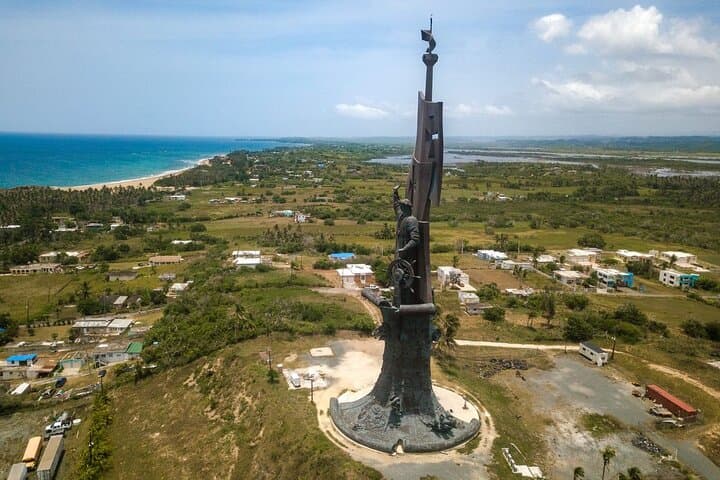
Geology here is blunt and immediate: limestone and volcanic flows smoothed by relentless surf. Caves cut inland from the shore offer narrow passages and small chambers, and the cliffs permit wide views — the Arecibo Lighthouse sits atop a promontory, its concrete bulk an anchor in a landscape that otherwise prefers to move. The coastline pushes back and then opens up to Clearwater Beach, a soft curve of sand where the Atlantic breathes easier.
Practically, the tour is five and a half hours but paced to feel generous. Walks are short but over uneven, sometimes wet stone; the guide times the visits to tides and light so petroglyphs are visible and sea spray is more bracing than hazardous. Visitors should expect periods of standing and low stooping into cave mouths; the operator provides bottled water and a local guide who frames history alongside safety.
For travelers, this trip blends hands-on cultural interpretation with coastal hiking and a dip-ready beach finish. Wear shoes with good traction, carry reef-safe sunscreen, and prepare for sun and spray. Cameras are rewarded at the cave mouth and at the lighthouse overlook; audio from the guide will sharpen the patterns in the rock into stories that stick.
The tour is an accessible, context-rich way to experience a part of Puerto Rico that still feels slightly off the usual routes — equal parts natural theater and cultural museum without walls. It’s best for curiosity-driven travelers who want to stand where Taino voices once held the wind and to leave with a clearer sense of the island’s layered history and living culture.
easy.
5–6 hours.
Light fitness; able to stand, walk short uneven sections, and stoop into low cave openings.
The standard meeting point is Tijuana Restaurant in Arecibo; the driver will call to confirm pick-up or hotel transfer if arranged.
Yes; the operator lists the trip as physically easy, but participants should be able to manage short uneven walks and stairs into cave openings.
Yes—there’s typically time allocated for a beach stop; bring swimwear and check conditions with the guide before entering the water.
Yes. Petroglyphs are fragile—do not touch, climb, or apply substances to the rocks; follow the guide’s instructions to preserve them.
Admission to the named cave stops and Clearwater Beach is included on the itinerary where indicated; verify with the supplier at booking for any site fees.
Full refunds are available if cancelled at least 24 hours before departure; the tour may be cancelled for bad weather or insufficient travelers.
Cueva del Indio contains Taino petroglyphs and served as a coastal landmark long before European contact; later centuries layered African-influenced culture into local food and music traditions.
Visitor pressure and sea-level change threaten coastal archaeology; avoid touching rock art, stick to established paths, and use reef-safe products to reduce impact.
Utopia Shuttle operates guided outdoor trips and adventures with an emphasis on safety, stewardship, and memorable experiences.

The day opens on sharp Atlantic light and the salt-scented air of Arecibo as a small shuttle eases off the coastal road. Passengers step out where stone meets surf — the entrance to Cueva del Indio gapes like an old mouth carved by wave and time. The guide moves with an easy authority, pointing to petroglyph panels etched into low ledges, gestures that tie the present to Taino hands that read the horizon centuries earlier.
The day opens on sharp Atlantic light and the salt-scented air of Arecibo as a small shuttle eases off the coastal road. Passengers step out where stone meets surf — the entrance to Cueva del Indio gapes like an old mouth carved by wave and time. The guide moves with an easy authority, pointing to petroglyph panels etched into low ledges, gestures that tie the present to Taino hands that read the horizon centuries earlier.
This is not a museum; it is a coastline that keeps its stories in rock and tide. The Taino once used these shelters for ceremonies and navigation, leaving carved symbols that survive beneath a thin veneer of lichen. Later chapters arrived with European colonization and the forced migration of African peoples, layers of culture that the tour weaves together through storytelling and stops at local food stands where traditional snacks give a tangible taste of the island's blended roots.
Geology here is blunt and immediate: limestone and volcanic flows smoothed by relentless surf. Caves cut inland from the shore offer narrow passages and small chambers, and the cliffs permit wide views — the Arecibo Lighthouse sits atop a promontory, its concrete bulk an anchor in a landscape that otherwise prefers to move. The coastline pushes back and then opens up to Clearwater Beach, a soft curve of sand where the Atlantic breathes easier.
Practically, the tour is five and a half hours but paced to feel generous. Walks are short but over uneven, sometimes wet stone; the guide times the visits to tides and light so petroglyphs are visible and sea spray is more bracing than hazardous. Visitors should expect periods of standing and low stooping into cave mouths; the operator provides bottled water and a local guide who frames history alongside safety.
For travelers, this trip blends hands-on cultural interpretation with coastal hiking and a dip-ready beach finish. Wear shoes with good traction, carry reef-safe sunscreen, and prepare for sun and spray. Cameras are rewarded at the cave mouth and at the lighthouse overlook; audio from the guide will sharpen the patterns in the rock into stories that stick.
The tour is an accessible, context-rich way to experience a part of Puerto Rico that still feels slightly off the usual routes — equal parts natural theater and cultural museum without walls. It’s best for curiosity-driven travelers who want to stand where Taino voices once held the wind and to leave with a clearer sense of the island’s layered history and living culture.