THE ADVENTURE COLLECTIVE® · Independent discovery and booking for outdoor travel

Head into the Altafjord on a small-group winter cruise to watch orcas and humpbacks feeding on herring. This 4.5-hour experience includes transfers from Alta, warm cabins, and expert local guides.
Head into the Altafjord on a small-group winter cruise to watch orcas and humpbacks feeding on herring. This 4.5-hour experience includes transfers from Alta, warm cabins, and expert local guides.
A pale Arctic light skims the serrated ridges as the minibus eases into Alta Harbour and you step toward the pier. Sea-salt air bites at exposed cheeks while guides move briskly, checking jackets and handing out hot chocolate. Within minutes the boat slips into the fjord; mountains press close and the water begins to move with purpose when whales arrive.
Verified experiences and guided adventures in the surrounding area.
Operated by Alta Adventure · Alta, Troms og Finnmark
A pale Arctic light skims the serrated ridges as the minibus eases into Alta Harbour and you step toward the pier. Sea-salt air bites at exposed cheeks while guides move briskly, checking jackets and handing out hot chocolate. Within minutes the boat slips into the fjord; mountains press close and the water begins to move with purpose when whales arrive.
The Altafjord is a glacially carved inlet where herring migrations have shaped human and animal life for centuries. Sámi coastal communities and Norwegian fishers historically followed the shoals, and today the same dense schools lure orcas and humpbacks during November–January. Geology here—steep bedrock and deep channels—creates feeding hotspots that concentrate marine life and draw large seabirds such as the white-tailed sea eagle.
On a small-group winter outing expect three hours at sea within a roughly 4.5-hour tour that includes transfers from Alta. Guides brief you on natural history, whale behavior, and photography angles. Boats vary by weather; warm cabins and snacks are standard when whales submerge. Dress for wind, spray, and cold—layers, waterproofs, and sturdy boots make the experience comfortable.
Practical tips: arrive with motion-sickness remedies if you’re prone, keep camera batteries warm, and listen to the crew about safe viewing angles. The operator may change departure harbors based on whale locations and can cancel for safety or insufficient sightings; that flexibility is part of responsible wildlife viewing. When the whales work the herring, the fjord changes—currents push, birds wheel, and the sea announces its presence. It’s an accessible, high-reward winter wildlife trip for anyone prepared for Arctic conditions.
moderate.
4–5 hours.
Moderate fitness needed for brief transfers, boarding boats, and standing on deck in cold weather
Peak sightings are typically November through January when herring congregations bring orcas and humpbacks into the fjords.
Yes for many, but travelers should be in moderate physical condition and able to board boats and handle cold; cardiovascular limitations are not recommended.
Some days are calm, others choppy—bring or take preventative medication if you are susceptible to motion sickness.
Yes, operators may cancel for unsafe weather or insufficient whales and offer refunds in line with the cancellation policy.
The Altafjord’s fish-rich waters supported Sámi coastal livelihoods and later commercial herring fisheries that influenced settlement and trade patterns in northern Norway.
Operators follow responsible viewing practices and may alter routes to reduce disturbance; keep distances and avoid chasing animals to minimize impact.
Alta Adventure operates guided outdoor trips and adventures with an emphasis on safety, stewardship, and memorable experiences.
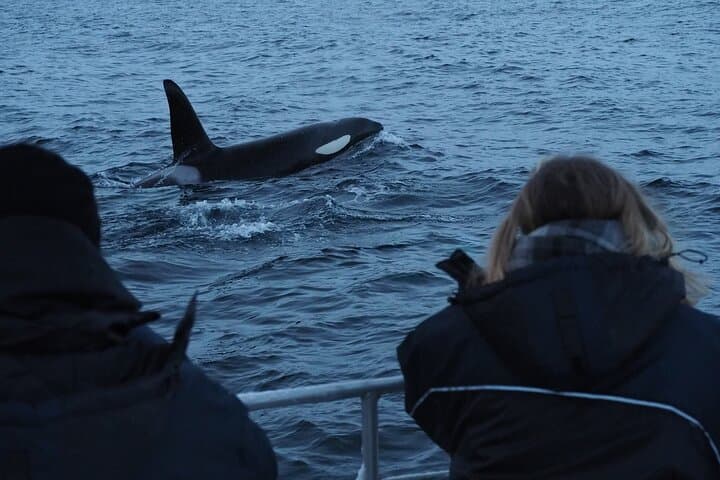
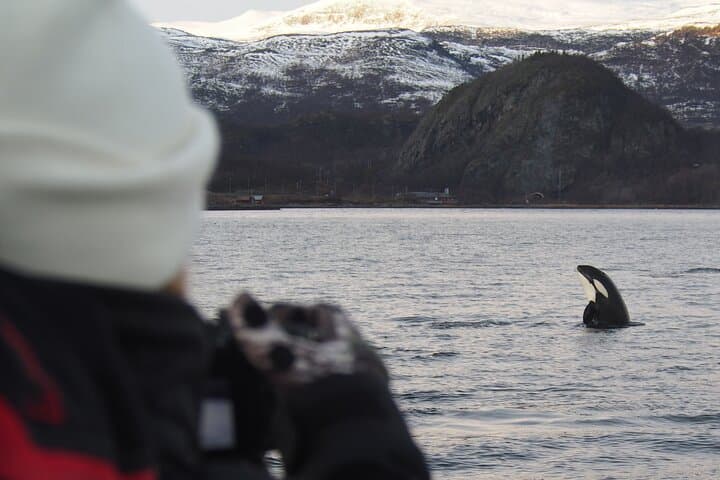
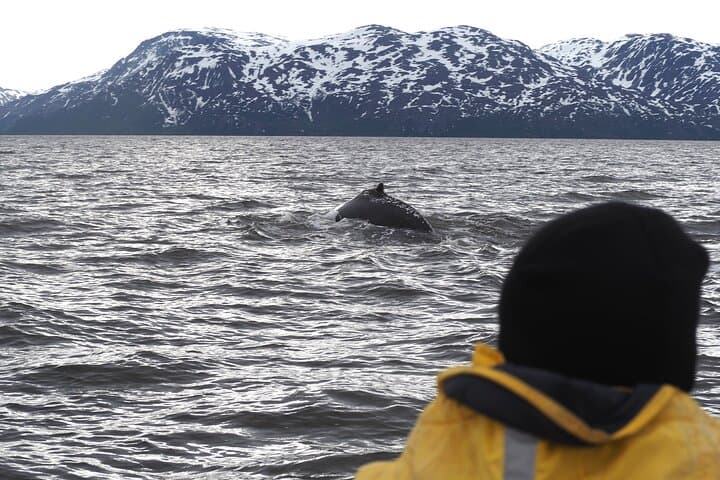
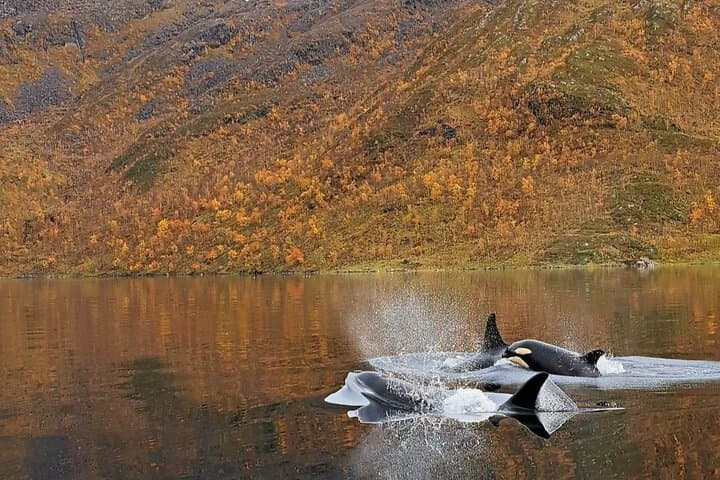
A pale Arctic light skims the serrated ridges as the minibus eases into Alta Harbour and you step toward the pier. Sea-salt air bites at exposed cheeks while guides move briskly, checking jackets and handing out hot chocolate. Within minutes the boat slips into the fjord; mountains press close and the water begins to move with purpose when whales arrive.
A pale Arctic light skims the serrated ridges as the minibus eases into Alta Harbour and you step toward the pier. Sea-salt air bites at exposed cheeks while guides move briskly, checking jackets and handing out hot chocolate. Within minutes the boat slips into the fjord; mountains press close and the water begins to move with purpose when whales arrive.
The Altafjord is a glacially carved inlet where herring migrations have shaped human and animal life for centuries. Sámi coastal communities and Norwegian fishers historically followed the shoals, and today the same dense schools lure orcas and humpbacks during November–January. Geology here—steep bedrock and deep channels—creates feeding hotspots that concentrate marine life and draw large seabirds such as the white-tailed sea eagle.
On a small-group winter outing expect three hours at sea within a roughly 4.5-hour tour that includes transfers from Alta. Guides brief you on natural history, whale behavior, and photography angles. Boats vary by weather; warm cabins and snacks are standard when whales submerge. Dress for wind, spray, and cold—layers, waterproofs, and sturdy boots make the experience comfortable.
Practical tips: arrive with motion-sickness remedies if you’re prone, keep camera batteries warm, and listen to the crew about safe viewing angles. The operator may change departure harbors based on whale locations and can cancel for safety or insufficient sightings; that flexibility is part of responsible wildlife viewing. When the whales work the herring, the fjord changes—currents push, birds wheel, and the sea announces its presence. It’s an accessible, high-reward winter wildlife trip for anyone prepared for Arctic conditions.