THE ADVENTURE COLLECTIVE® · Independent discovery and booking for outdoor travel

Explore Manchester’s evolving skyline with a local guide on this private two-hour walking tour. See medieval, Victorian and modern architecture while getting local context and practical tips to continue exploring on your own.
Explore Manchester’s evolving skyline with a local guide on this private two-hour walking tour. See medieval, Victorian and modern architecture while getting local context and practical tips to continue exploring on your own.
Step off a busy Northern Quarter street and the city changes register: stone façades keep time with steel-and-glass edges, while the River Irwell threads a quiet, reflective line through factory roofs and modern plazas.
Verified experiences and guided adventures in the surrounding area.
Operated by LocalBini - The go-to platform for Experiences by Locals in the United Kingdom · Manchester, Greater Manchester
Step off a busy Northern Quarter street and the city changes register: stone façades keep time with steel-and-glass edges, while the River Irwell threads a quiet, reflective line through factory roofs and modern plazas.
This private, two-hour walk traces Manchester’s architectural seasons — medieval stone at the Cathedral, neo‑Gothic flourishes in John Rylands Library, Victorian civic pride in Albert Square and the clean lines of the Bridgewater Hall. Geology and industry shaped the skyline: coal measures and Pennine grit underwrote the mills that demanded red-brick warehouses and the cast iron bones you still see today. The city’s identity grew from textile trade, municipal ambition and the 19th‑century drive to reinvent public life.
Culture lives in the details: carved stone bosses, engraved dates, and civic inscriptions that tell stories of commerce, music and early municipal welfare. A local expert points out how council planning and post‑industrial regeneration have repurposed warehouses into cultural venues and offices, while canals and streets guide sightlines across different eras.
Practical guidance: expect 2 hours of mostly flat walking on paved streets with frequent stops; the pace is tailored to your group. Entry fees to museums or internal access are usually extra, so budget for optional stops. Manchester weather can shift — a light waterproof and comfortable shoes will keep the route enjoyable. Public transport connects easily to central meeting points, and the tour’s private format makes it a good option for focused architectural study or a compact orientation to the city’s design evolution.
easy.
2 hours.
Suitable for most fitness levels; participants should be able to stand and walk at a steady pace for two hours.
Yes—this is a low‑impact walking tour adaptable to different ages, though it’s not recommended for guests with significant mobility impairment.
No; admission to museums or internal visits is generally excluded—your guide can recommend which stops are worth paying for.
Yes—this private tour is designed to adapt to your architectural interests and walking pace; discuss preferences when booking.
Full refund is typically available if you cancel at least 24 hours before the scheduled start time; check your booking confirmation for specifics.
Manchester’s rapid 18th–19th century growth during the Industrial Revolution produced the mills, civic buildings and transport networks that define its architecture today.
Many former industrial buildings have been repurposed; visitors are encouraged to respect private properties and support conservation by following paths and not entering restricted sites.
LocalBini - The go-to platform for Experiences by Locals in the United Kingdom operates guided outdoor trips and adventures with an emphasis on safety, stewardship, and memorable experiences.
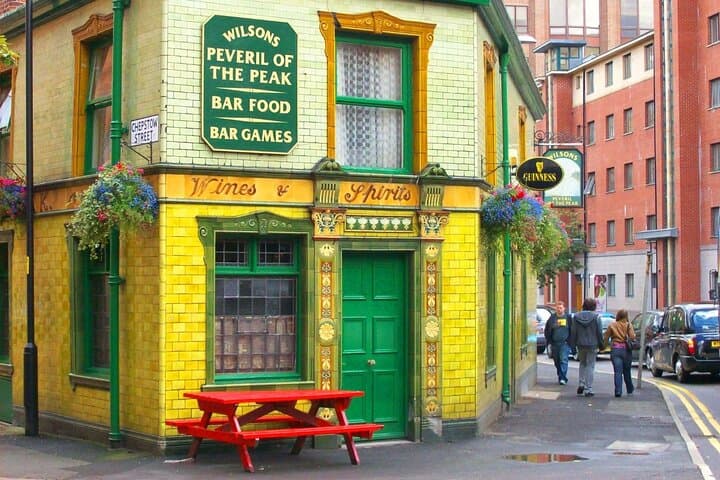

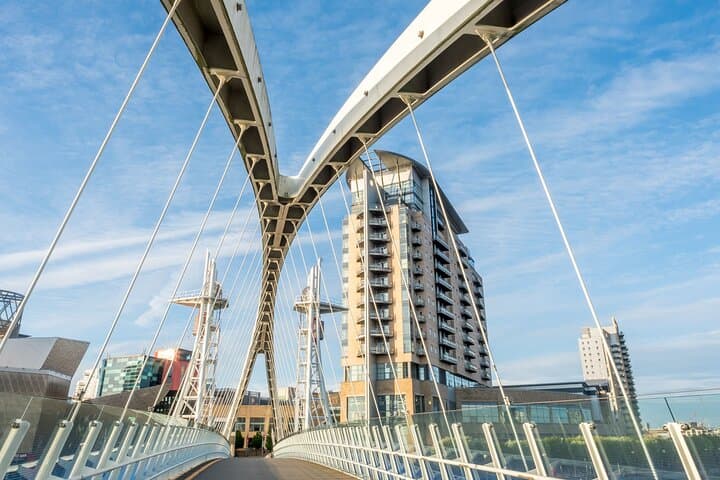
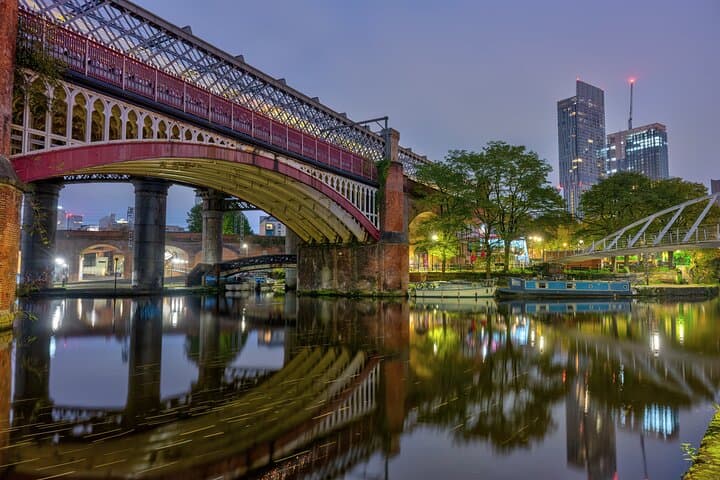
Step off a busy Northern Quarter street and the city changes register: stone façades keep time with steel-and-glass edges, while the River Irwell threads a quiet, reflective line through factory roofs and modern plazas.
Step off a busy Northern Quarter street and the city changes register: stone façades keep time with steel-and-glass edges, while the River Irwell threads a quiet, reflective line through factory roofs and modern plazas.
This private, two-hour walk traces Manchester’s architectural seasons — medieval stone at the Cathedral, neo‑Gothic flourishes in John Rylands Library, Victorian civic pride in Albert Square and the clean lines of the Bridgewater Hall. Geology and industry shaped the skyline: coal measures and Pennine grit underwrote the mills that demanded red-brick warehouses and the cast iron bones you still see today. The city’s identity grew from textile trade, municipal ambition and the 19th‑century drive to reinvent public life.
Culture lives in the details: carved stone bosses, engraved dates, and civic inscriptions that tell stories of commerce, music and early municipal welfare. A local expert points out how council planning and post‑industrial regeneration have repurposed warehouses into cultural venues and offices, while canals and streets guide sightlines across different eras.
Practical guidance: expect 2 hours of mostly flat walking on paved streets with frequent stops; the pace is tailored to your group. Entry fees to museums or internal access are usually extra, so budget for optional stops. Manchester weather can shift — a light waterproof and comfortable shoes will keep the route enjoyable. Public transport connects easily to central meeting points, and the tour’s private format makes it a good option for focused architectural study or a compact orientation to the city’s design evolution.