THE ADVENTURE COLLECTIVE® · Independent discovery and booking for outdoor travel

Walk Lucerne with a local expert across Chapel Bridge, past Baroque churches and the modern KKL. This private two-hour tour pairs history and design with practical tips for getting the most from the city’s architecture.
Walk Lucerne with a local expert across Chapel Bridge, past Baroque churches and the modern KKL. This private two-hour tour pairs history and design with practical tips for getting the most from the city’s architecture.
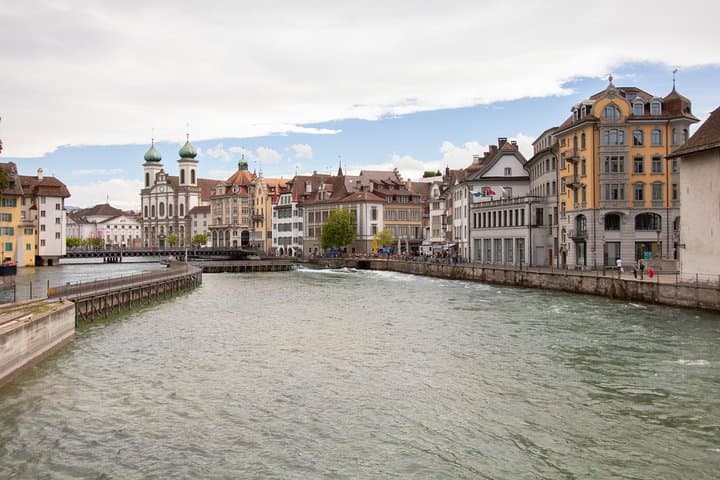
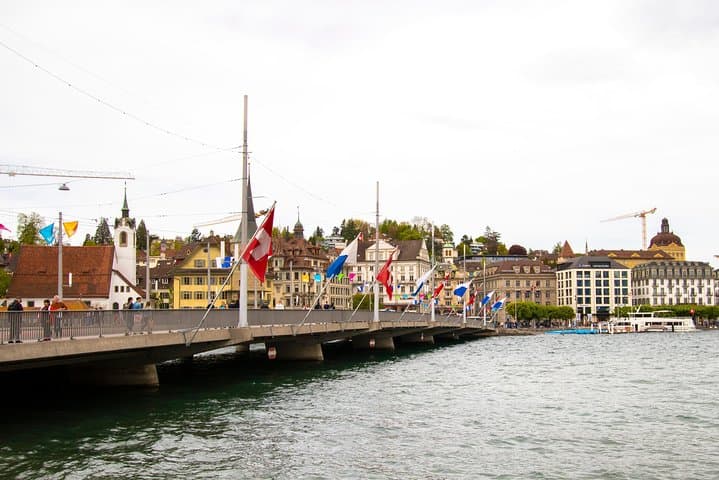
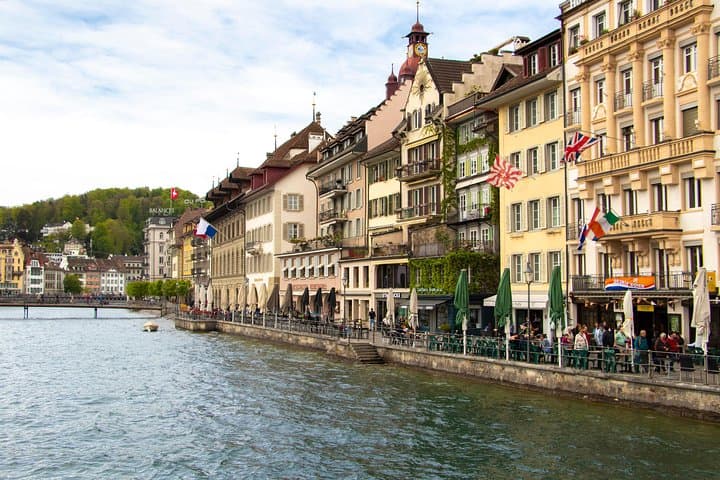
You meet at Brezel könig just off the Reuss, the smell of fresh bread and the river’s current daring you to follow its line through the city. The wooden ribs of Chapel Bridge come into view, their painted panels shading the way; beyond, the KKL’s glass planes catch alpine light while the Museggmauer watches from higher ground.
Verified experiences and guided adventures in the surrounding area.
Operated by LocalBini - The go-to platform for Experiences by Locals in Switzerland · Lucerne, Canton of Lucerne
You meet at Brezel könig just off the Reuss, the smell of fresh bread and the river’s current daring you to follow its line through the city. The wooden ribs of Chapel Bridge come into view, their painted panels shading the way; beyond, the KKL’s glass planes catch alpine light while the Museggmauer watches from higher ground.
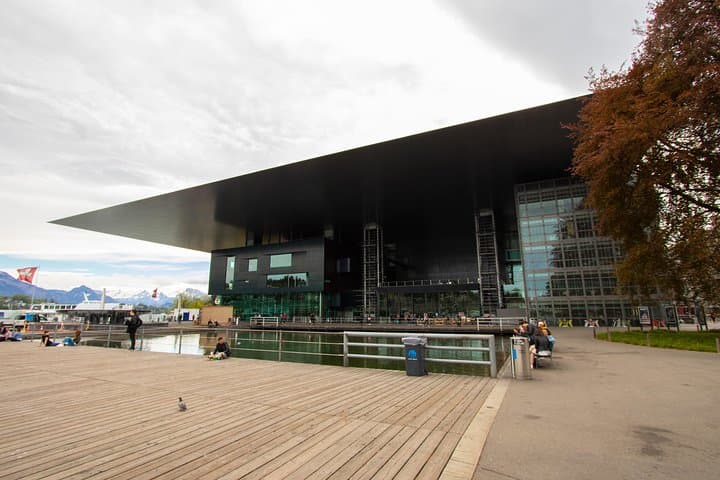
Lucerne’s streets are a timeline: a medieval trade town that fortified itself with walls and towers in the 14th century, a Baroque pulse shown in Jesuitenkirche’s stucco, and a modern chapter written by the Lucerne Culture and Congress Centre (KKL), designed to blend acoustics, architecture and Lake Lucerne’s reflective surface. Stone and timber tell stories of trade, faith and a 19th–20th century turn toward cultural tourism.
A local guide frames each building with context — why the bridge’s paintings were added in the 17th century, how the KKL altered sightlines, where the Musegg towers were once key watchpoints. Cultural notes arrive naturally: where to try a local pastry, how public transport links the city to alpine trails, and which alleys hold quiet courtyards.
Practically, expect two hours of mostly flat walking on cobbles and paved promenades, intermittent steps up to viewpoints, and variable weather that shifts lake-still to brisk in minutes. The tour is private and flexible, but does not include entry fees to monuments. Wear grippy shoes, bring a compact rain layer and a charged camera. Ask your guide about quieter routes after the tour — Lucerne’s architecture rewards a second, slower pass.
easy.
2 hours.
Low to moderate — suitable for most people who can walk on flat to slightly uneven city surfaces for two hours
The route is mostly flat city streets and promenades, but some viewpoints and museum entries have steps; notify the operator ahead so the guide can adapt the route.
No, the tour highlights exterior architecture; entry fees to monuments or museums are not included and are paid on site if you choose to enter.
Yes — it’s a private tour and the guide will adapt stops and pacing to your interests within the two-hour timeframe.
Your Local Expert will confirm language availability when they contact you before the tour; guides commonly offer tours in English and German.
Chapel Bridge dates to the 14th century and originally functioned as part of Lucerne’s defensive network; the KKL is a late 20th-century cultural landmark by architect Jean Nouvel.
Help preserve historic fabric by sticking to designated paths, not climbing on walls, and avoiding feeding wildlife—Lake Lucerne’s ecosystems are sensitive to human disturbance.
LocalBini - The go-to platform for Experiences by Locals in Switzerland operates guided outdoor trips and adventures with an emphasis on safety, stewardship, and memorable experiences.
You meet at Brezel könig just off the Reuss, the smell of fresh bread and the river’s current daring you to follow its line through the city. The wooden ribs of Chapel Bridge come into view, their painted panels shading the way; beyond, the KKL’s glass planes catch alpine light while the Museggmauer watches from higher ground.
You meet at Brezel könig just off the Reuss, the smell of fresh bread and the river’s current daring you to follow its line through the city. The wooden ribs of Chapel Bridge come into view, their painted panels shading the way; beyond, the KKL’s glass planes catch alpine light while the Museggmauer watches from higher ground.
Lucerne’s streets are a timeline: a medieval trade town that fortified itself with walls and towers in the 14th century, a Baroque pulse shown in Jesuitenkirche’s stucco, and a modern chapter written by the Lucerne Culture and Congress Centre (KKL), designed to blend acoustics, architecture and Lake Lucerne’s reflective surface. Stone and timber tell stories of trade, faith and a 19th–20th century turn toward cultural tourism.
A local guide frames each building with context — why the bridge’s paintings were added in the 17th century, how the KKL altered sightlines, where the Musegg towers were once key watchpoints. Cultural notes arrive naturally: where to try a local pastry, how public transport links the city to alpine trails, and which alleys hold quiet courtyards.
Practically, expect two hours of mostly flat walking on cobbles and paved promenades, intermittent steps up to viewpoints, and variable weather that shifts lake-still to brisk in minutes. The tour is private and flexible, but does not include entry fees to monuments. Wear grippy shoes, bring a compact rain layer and a charged camera. Ask your guide about quieter routes after the tour — Lucerne’s architecture rewards a second, slower pass.