THE ADVENTURE COLLECTIVE® · Independent discovery and booking for outdoor travel

Explore Sintra beyond the palaces with a local archaeologist who guides you to off-the-beaten-path ruins, a pilgrimage chapel, and the enigmatic Penedo do Adrenunes. This private 3–4 hour tour mixes excavation stories, panoramic viewpoints and hands-on local insight.
Explore Sintra beyond the palaces with a local archaeologist who guides you to off-the-beaten-path ruins, a pilgrimage chapel, and the enigmatic Penedo do Adrenunes. This private 3–4 hour tour mixes excavation stories, panoramic viewpoints and hands-on local insight.
Morning light filters through umbrella pines as you meet your guide at Sintra train station — Diogo, an archaeologist who has dug into the town’s past and now leads visitors down paths few tourists walk.
Verified experiences and guided adventures in the surrounding area.
Operated by Mr. Local Tours · Sintra, Lisbon
Morning light filters through umbrella pines as you meet your guide at Sintra train station — Diogo, an archaeologist who has dug into the town’s past and now leads visitors down paths few tourists walk.
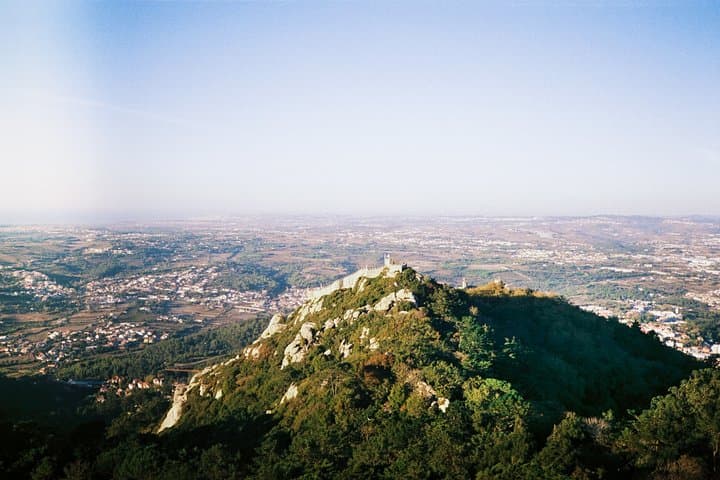
The route leaves the palace crowds behind and heads to a ruined medieval village by the Moorish castle, where exposed foundations and graves speak to centuries of settlement. Granite outcrops and the region’s weathered schist frame the forested ridges: Sintra’s geology is a mosaic of hard granite knobs and softer sediments that guided human use and burial practices. Cultural layers here range from prehistoric ritual spots to medieval chapels; Penedo do Adrenunes, a cluster of megalithic-like stones, feels at once primeval and enigmatic.
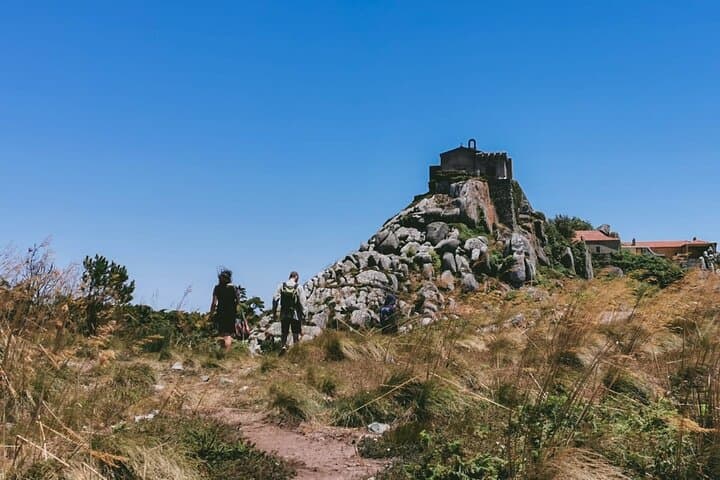
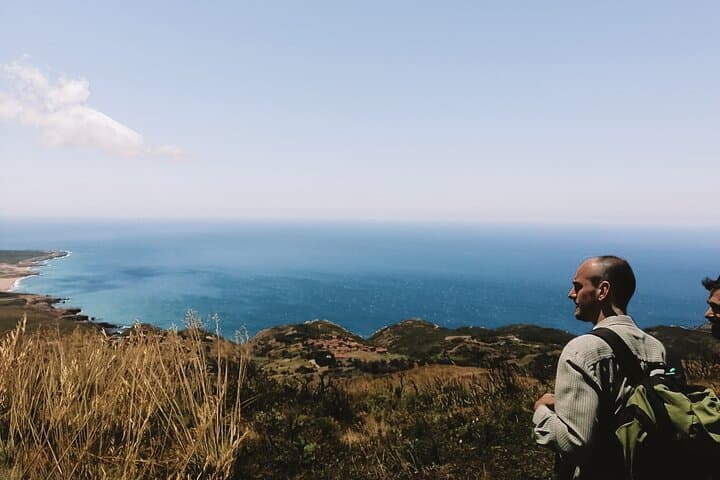
Along the way Diogo shares excavation stories, local lore about a miracle chapel on a windswept hilltop, and practical tips only a resident would know — where the best viewpoint opens over the Lisbon Bay, and which trails remain quiet even on busy days.
Expect mostly easy walking with some uneven, rocky sections and a short 15-minute forest descent to the western-facing hilltop. The tour runs about 3–4 hours, includes a welcome queijada pastry, and is private — so pacing and stops are flexible. Wear stiff-soled shoes, bring water, and dress in layers: weather in Sintra can shift from sun to mist within an hour. Photography is rewarding at sunrise or late afternoon; respect fenced archaeological areas and follow your guide’s directions to protect fragile sites. Allow time for quiet reflection afterwards.
moderate.
3–4 hours.
Suitable for most people who can walk 3–5 miles over uneven terrain; short climbs and descents required.
The meeting point is Sintra train station; the tour finishes near central Sintra or at an agreed pickup spot — confirm when booking.
Yes — infant seats and family pacing are available, but expect some uneven ground and short walks off-road.
This itinerary visits open-air archaeological sites and viewpoints; standard admissions are not required and the tour description notes 'admission not applicable.'
Full refund if cancelled at least 24 hours before the scheduled departure; no refund within 24 hours.
Sintra’s landscape preserves layers from prehistoric ritual use through Moorish occupation to medieval Portuguese history; Penedo do Adrenunes has long attracted speculation about ancient rites.
Many archaeological features sit inside Sintra-Cascais protected areas; staying on paths and following the guide helps prevent erosion and damage to fragile sites.
Mr. Local Tours operates guided outdoor trips and adventures with an emphasis on safety, stewardship, and memorable experiences.

Morning light filters through umbrella pines as you meet your guide at Sintra train station — Diogo, an archaeologist who has dug into the town’s past and now leads visitors down paths few tourists walk.
Morning light filters through umbrella pines as you meet your guide at Sintra train station — Diogo, an archaeologist who has dug into the town’s past and now leads visitors down paths few tourists walk.
The route leaves the palace crowds behind and heads to a ruined medieval village by the Moorish castle, where exposed foundations and graves speak to centuries of settlement. Granite outcrops and the region’s weathered schist frame the forested ridges: Sintra’s geology is a mosaic of hard granite knobs and softer sediments that guided human use and burial practices. Cultural layers here range from prehistoric ritual spots to medieval chapels; Penedo do Adrenunes, a cluster of megalithic-like stones, feels at once primeval and enigmatic.
Along the way Diogo shares excavation stories, local lore about a miracle chapel on a windswept hilltop, and practical tips only a resident would know — where the best viewpoint opens over the Lisbon Bay, and which trails remain quiet even on busy days.
Expect mostly easy walking with some uneven, rocky sections and a short 15-minute forest descent to the western-facing hilltop. The tour runs about 3–4 hours, includes a welcome queijada pastry, and is private — so pacing and stops are flexible. Wear stiff-soled shoes, bring water, and dress in layers: weather in Sintra can shift from sun to mist within an hour. Photography is rewarding at sunrise or late afternoon; respect fenced archaeological areas and follow your guide’s directions to protect fragile sites. Allow time for quiet reflection afterwards.