THE ADVENTURE COLLECTIVE® · Independent discovery and booking for outdoor travel

Walk the low Aravali ridgelines above Udaipur where granite slopes, scrub forests and village lanes meet. This 2–4 hour guided hike pairs countryside viewpoints with a window into local village life.
Walk the low Aravali ridgelines above Udaipur where granite slopes, scrub forests and village lanes meet. This 2–4 hour guided hike pairs countryside viewpoints with a window into local village life.
A morning on the Arawali slopes begins with the sun slipping over low granite ridges and the smell of dry scrub warming in the air. Your feet find narrow goat paths, and the rocks hum with a slow, ancient heat as you climb. Villagers wave from courtyards of lime-washed homes; children pause to watch a small caravan of hikers thread the same lanes they use every day.
Verified experiences and guided adventures in the surrounding area.
Operated by Countryside Excursion · Udaipur, Rajasthan
A morning on the Arawali slopes begins with the sun slipping over low granite ridges and the smell of dry scrub warming in the air. Your feet find narrow goat paths, and the rocks hum with a slow, ancient heat as you climb. Villagers wave from courtyards of lime-washed homes; children pause to watch a small caravan of hikers thread the same lanes they use every day.
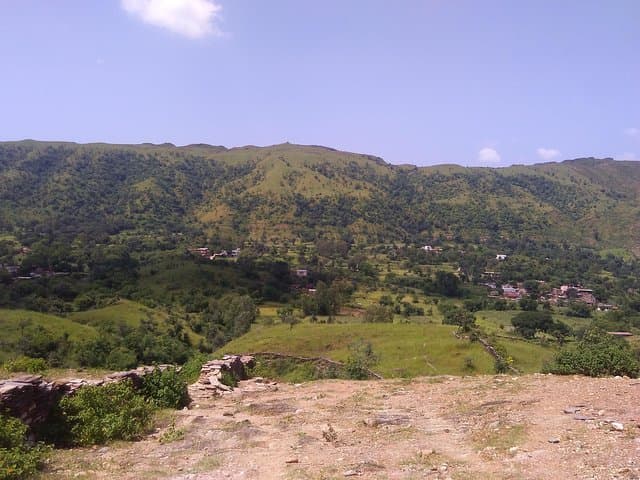
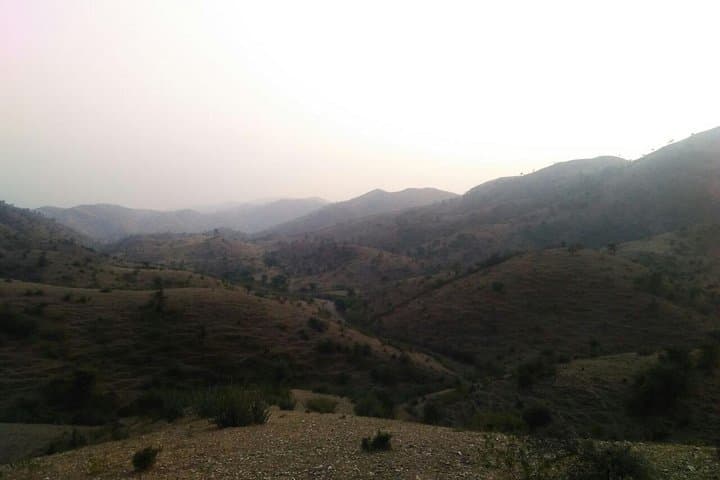
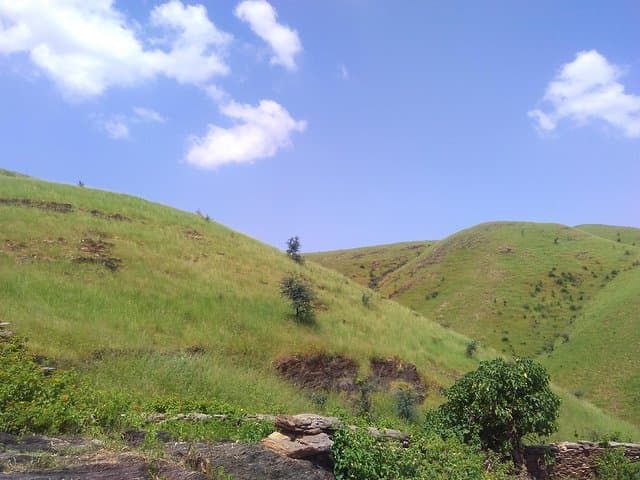
Geology here is blunt and old—folded Aravalli rock exposed as low, rounded hills that predate the Himalaya. The route threads through mixed thorn scrub, acacia groves and seasonal grasslands where birds and small mammals make their homes. Passing a tribal village offers a direct cultural pulse: local life is agricultural, with hand-tended fields and wells still in use, making the walk as much about people as about landscape.
Expect short, rocky climbs and clearings that open to wide countryside views rather than alpine summits. The terrain is mostly dry trail with loose stone; ascent over the full outing is modest but steady, best tackled with steady shoes and sun protection. Guides commonly include water and snacks and can adapt the pace to groups; private transport often takes you to a flexible meeting point.
Plan for heat in summer, cool mornings in winter, and dusty trails after dry spells. Bring at least 1–2 liters of water, layered clothing for changing temperatures, and modest clothing for village visits. Start early to avoid midday sun, respect private fields and homes, and leave no trace—these hills keep their quiet by design.
easy.
2–4 hours.
Suitable for most fitness levels; expect steady walking over uneven ground and short climbs totaling roughly 150–300 m elevation gain
Guided hikes run about 2–4 hours and are rated easy: steady walking with short climbs and uneven ground, suitable for most people.
Meeting point is flexible and chosen for traveler convenience; private transportation is typically included in the tour package.
Guides usually provide bottled water, soft drinks and snacks, but bring any special dietary items you need.
Yes, the route is family-friendly if participants can handle 2–4 hours of walking; notify guides of mobility issues in advance.
The Aravalli Range is one of the oldest fold mountain ranges in India; its exposed granite and schist hold evidence of ancient geological processes and long-established rural settlements.
These low hills are sensitive to erosion and grazing pressure—stick to trails, avoid disturbing soils, and pack out all waste to protect fragile scrubland habitats.
Countryside Excursion operates guided outdoor trips and adventures with an emphasis on safety, stewardship, and memorable experiences.
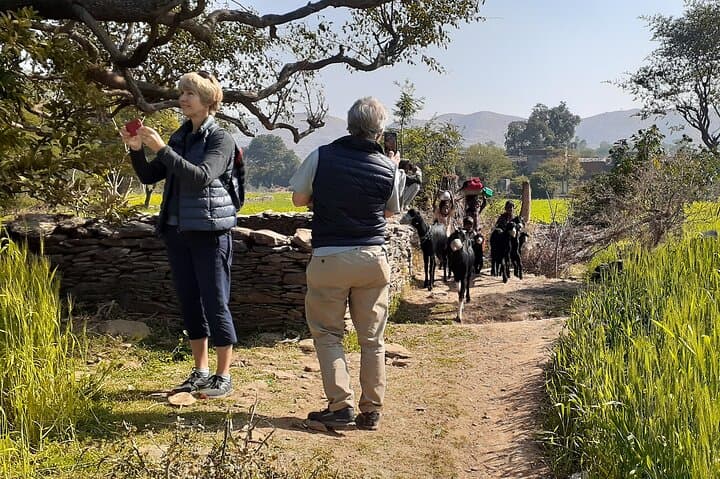
A morning on the Arawali slopes begins with the sun slipping over low granite ridges and the smell of dry scrub warming in the air. Your feet find narrow goat paths, and the rocks hum with a slow, ancient heat as you climb. Villagers wave from courtyards of lime-washed homes; children pause to watch a small caravan of hikers thread the same lanes they use every day.
A morning on the Arawali slopes begins with the sun slipping over low granite ridges and the smell of dry scrub warming in the air. Your feet find narrow goat paths, and the rocks hum with a slow, ancient heat as you climb. Villagers wave from courtyards of lime-washed homes; children pause to watch a small caravan of hikers thread the same lanes they use every day.
Geology here is blunt and old—folded Aravalli rock exposed as low, rounded hills that predate the Himalaya. The route threads through mixed thorn scrub, acacia groves and seasonal grasslands where birds and small mammals make their homes. Passing a tribal village offers a direct cultural pulse: local life is agricultural, with hand-tended fields and wells still in use, making the walk as much about people as about landscape.
Expect short, rocky climbs and clearings that open to wide countryside views rather than alpine summits. The terrain is mostly dry trail with loose stone; ascent over the full outing is modest but steady, best tackled with steady shoes and sun protection. Guides commonly include water and snacks and can adapt the pace to groups; private transport often takes you to a flexible meeting point.
Plan for heat in summer, cool mornings in winter, and dusty trails after dry spells. Bring at least 1–2 liters of water, layered clothing for changing temperatures, and modest clothing for village visits. Start early to avoid midday sun, respect private fields and homes, and leave no trace—these hills keep their quiet by design.