THE ADVENTURE COLLECTIVE® · Independent discovery and booking for outdoor travel

Walk through regenerating native forest, lavender fields and sustainable forestry on a 2.5-hour guided tour near Akaroa. Learn hands-on conservation practices, taste bush coffee, and enjoy harbour views while supporting local regeneration efforts.
Walk through regenerating native forest, lavender fields and sustainable forestry on a 2.5-hour guided tour near Akaroa. Learn hands-on conservation practices, taste bush coffee, and enjoy harbour views while supporting local regeneration efforts.
The track starts beneath a high canopy of recovering forest; birds call from scrubby gullies while the harbour opens in the distance like a slate bowl catching light.
Verified experiences and guided adventures in the surrounding area.
Operated by Akaroa Lavender · Akaroa, Canterbury
The track starts beneath a high canopy of recovering forest; birds call from scrubby gullies while the harbour opens in the distance like a slate bowl catching light.
On this seasonal two-and-a-half-hour guided walk you move between stages of regeneration: stands of young kanuka and manuka give way to open paddocks, rows of lavender, and pockets of sustainable forestry. Guides trace the land’s human story—how local iwi values for whenua (land) and later European farming practices shaped the patchwork—and point out geological hints of Banks Peninsula’s volcanic origin in rounded ridgelines and stony soils.
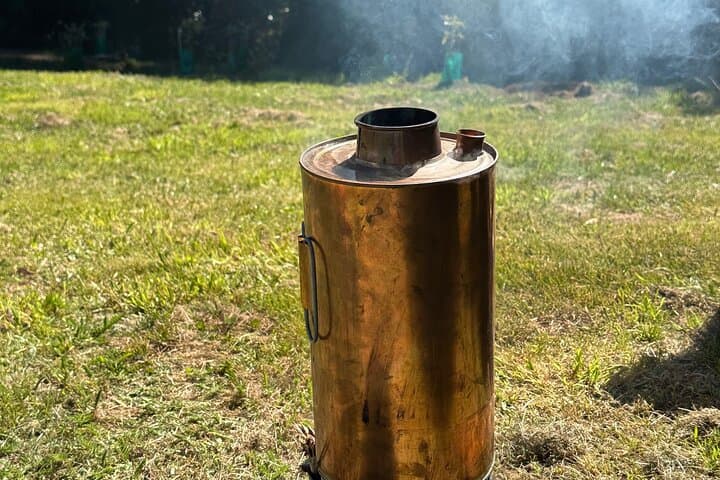
You’ll learn practical conservation work here: pest trapping lines, native planting techniques used to establish some 35,000 plants, and the daily choices that protect fledgling birds. The tour is intimate (small groups) and multilingual, with stops for bush coffee brewed on an open cooker and a classic “kiwi as” snack.
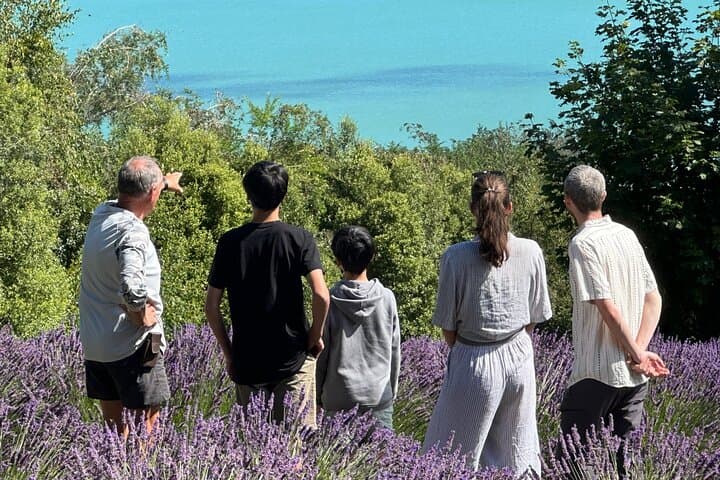
After the formal walk there’s time to wander lavender rows, linger at a picnic overlook facing Akaroa Harbour, or simply sit and listen to the bush. Facilities are basic—a composting toilet is available—and the income from bookings feeds the farm’s regeneration program.
Practical guidance: book ahead (no walk-ins), wear grippy walking shoes and layered weatherproofs, bring water and insect protection, and tell the host about bee allergies when reserving. Expect uneven terrain and moderate climbs; the route rewards steady pacing with close encounters of native plants and birds and clear harbour views.
moderate.
2–2.5 hours.
Comfortable walking fitness with the ability to handle uneven ground and short climbs; not suitable for those with limited mobility.
The tour runs about 150 minutes (roughly 2–2.5 hours) and includes multiple stops, ending at a picnic spot overlooking Akaroa Harbour.
Parts of the property allow prams, but the guided walk includes uneven, moderate slopes—check with the operator for specific accessibility needs before booking.
Yes—lavender products are available for purchase and the farm serves bush coffee/tea and a ‘kiwi as’ snack during the tour.
Service animals are permitted; other pets are not recommended due to wildlife and ongoing conservation work—confirm with the operator ahead of time.
The property reflects both Māori connections to the whenua and later European farming; recent decades have seen active conversion from pasture back to native forest through planting and pest control.
Tour revenue directly supports planting programs and predator trapping; visitors are asked to follow biosecurity guidance and minimise disturbance to nest sites.
Akaroa Lavender operates guided outdoor trips and adventures with an emphasis on safety, stewardship, and memorable experiences.
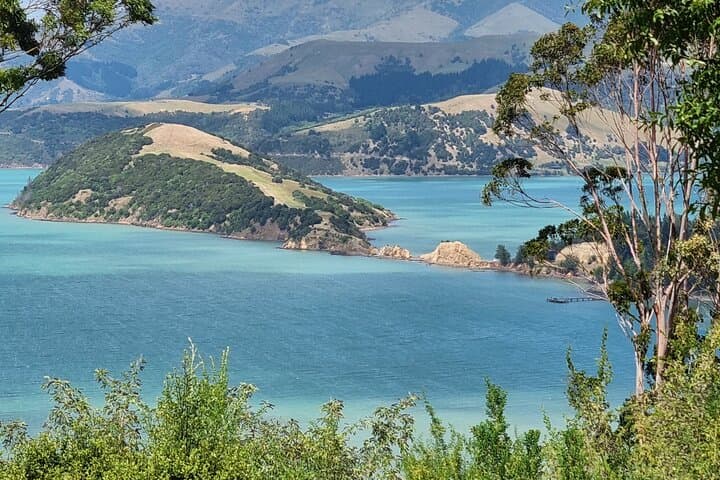
The track starts beneath a high canopy of recovering forest; birds call from scrubby gullies while the harbour opens in the distance like a slate bowl catching light.
The track starts beneath a high canopy of recovering forest; birds call from scrubby gullies while the harbour opens in the distance like a slate bowl catching light.
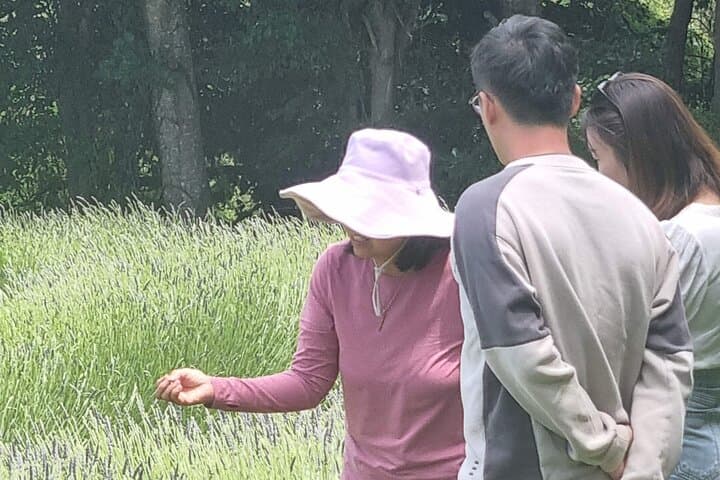
On this seasonal two-and-a-half-hour guided walk you move between stages of regeneration: stands of young kanuka and manuka give way to open paddocks, rows of lavender, and pockets of sustainable forestry. Guides trace the land’s human story—how local iwi values for whenua (land) and later European farming practices shaped the patchwork—and point out geological hints of Banks Peninsula’s volcanic origin in rounded ridgelines and stony soils.
You’ll learn practical conservation work here: pest trapping lines, native planting techniques used to establish some 35,000 plants, and the daily choices that protect fledgling birds. The tour is intimate (small groups) and multilingual, with stops for bush coffee brewed on an open cooker and a classic “kiwi as” snack.
After the formal walk there’s time to wander lavender rows, linger at a picnic overlook facing Akaroa Harbour, or simply sit and listen to the bush. Facilities are basic—a composting toilet is available—and the income from bookings feeds the farm’s regeneration program.
Practical guidance: book ahead (no walk-ins), wear grippy walking shoes and layered weatherproofs, bring water and insect protection, and tell the host about bee allergies when reserving. Expect uneven terrain and moderate climbs; the route rewards steady pacing with close encounters of native plants and birds and clear harbour views.