THE ADVENTURE COLLECTIVE® · Independent discovery and booking for outdoor travel

Spend a day moving from Arashiyama’s bamboo corridors to northwest Kyoto’s iconic temples — including a matcha break and a simple calligraphy lesson at Kinkakuji. This small-group walk mixes natural scenery, cultural rituals, and historic gardens.
Spend a day moving from Arashiyama’s bamboo corridors to northwest Kyoto’s iconic temples — including a matcha break and a simple calligraphy lesson at Kinkakuji. This small-group walk mixes natural scenery, cultural rituals, and historic gardens.
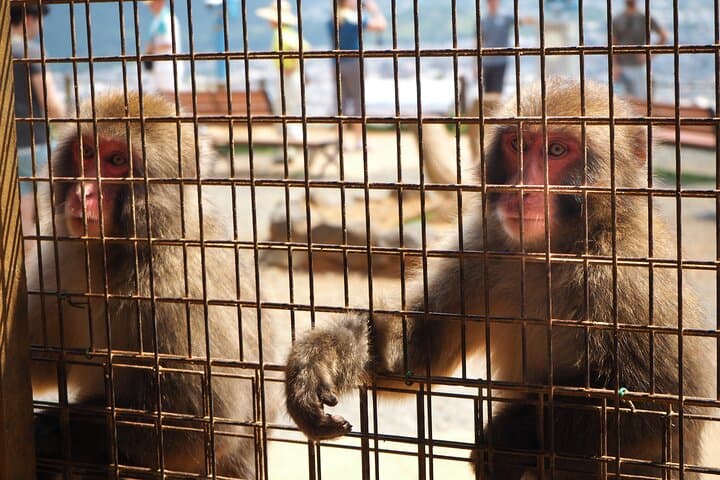
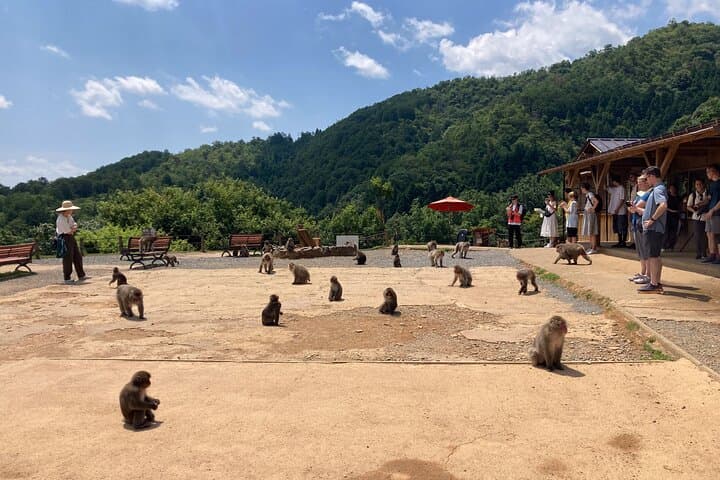
Morning light filters through the tall bamboo as the path narrows and the city falls away — the grove guides you with a warm, wooden hush. The Arashiyama area opens like a series of scenes: a mossy temple courtyard, a wooden bridge spanning a river that dares you to stop and watch, and a hillside where macaques watch visitors as closely as the maples watch the season.
Verified experiences and guided adventures in the surrounding area.
Operated by Yusuke Tanaka · Kyoto, Kyoto Prefecture
Morning light filters through the tall bamboo as the path narrows and the city falls away — the grove guides you with a warm, wooden hush. The Arashiyama area opens like a series of scenes: a mossy temple courtyard, a wooden bridge spanning a river that dares you to stop and watch, and a hillside where macaques watch visitors as closely as the maples watch the season.
This route threads through layers of Kyoto history: Tenryū-ji’s 14th-century garden reflects Zen gardening principles, Ryoan-ji’s rock garden offers a lesson in negative space, and Kinkaku-ji — once Ashikaga Yoshimitsu’s villa — gleams with Muromachi-era ambition. Geology shows in the Hozu River’s carved valley and the gravel beds framed by centuries of human care. Culture is lived in small rituals here — bowing at temple gates, the bitter-sweet pause of matcha, and the ink-stroke focus of calligraphy.
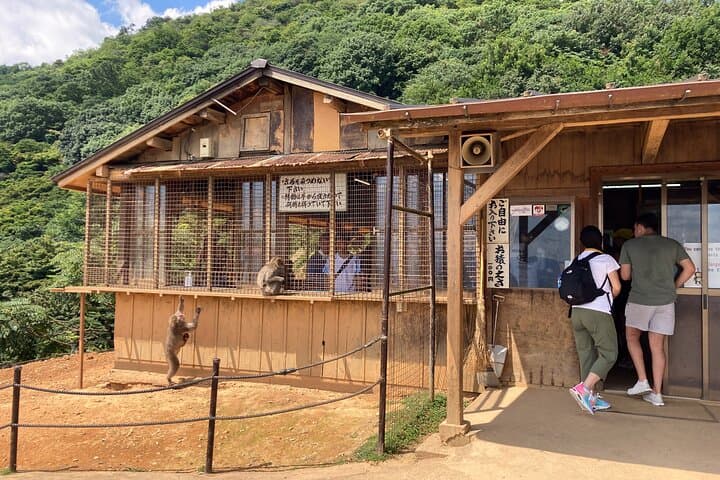
Expect about nine hours on foot with multiple short walks between sites and stair sections at temples and the Monkey Park. The tour balances quiet temple visits with practical logistics: entrance fees and transit between spots are covered, and groups are intentionally small to reduce crowd pressure. Bring layered clothing for temple interiors and early-morning chill, wear grippy shoes for wet or uneven stone, and carry a refillable bottle — water taps are sporadic.
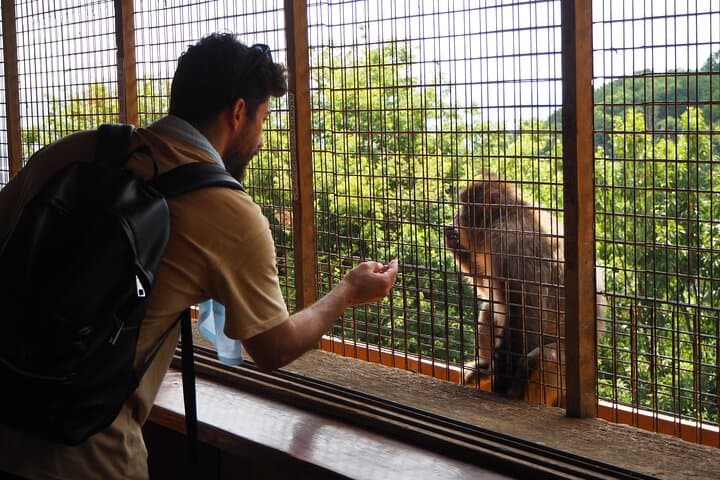
Plan to start early to enjoy bamboo paths with fewer people, respect no-photography zones inside temple buildings, and keep a watchful distance from wild macaques. The day is equal parts history, green corridors, and hands-on cultural moments — steady, sensory, and rich with details that reveal themselves at a walking pace.
easy.
9 hours.
Suitable for travelers who can walk and stand for several hours with short stair sections; casual fitness required
The tour meets in front of the locker area at Keifuku (Randen) Arashiyama station and finishes near JR Emmachi station on the Sagano line; guides will help with onward directions.
Yes — tickets for the listed temples, Monkey Park, the matcha break, and the calligraphy experience are included in the tour price.
The tour is family-friendly but not recommended for those with serious mobility issues since it involves walking, stairs, and uneven surfaces; children should be supervised around monkeys and near water.
The matcha snack is provided; notify the operator in advance of allergies or dietary needs so they can arrange suitable alternatives when possible.
Tenryū-ji was established in the 14th century and is a designated World Heritage Site; Kinkaku-ji began as a shogun’s retirement villa in the Muromachi period and later became a temple.
High visitor numbers pressure fragile gardens and forest soils; stick to paths, avoid feeding wildlife, and use refillable water bottles to reduce waste.
Yusuke Tanaka operates guided outdoor trips and adventures with an emphasis on safety, stewardship, and memorable experiences.
Morning light filters through the tall bamboo as the path narrows and the city falls away — the grove guides you with a warm, wooden hush. The Arashiyama area opens like a series of scenes: a mossy temple courtyard, a wooden bridge spanning a river that dares you to stop and watch, and a hillside where macaques watch visitors as closely as the maples watch the season.
Morning light filters through the tall bamboo as the path narrows and the city falls away — the grove guides you with a warm, wooden hush. The Arashiyama area opens like a series of scenes: a mossy temple courtyard, a wooden bridge spanning a river that dares you to stop and watch, and a hillside where macaques watch visitors as closely as the maples watch the season.
This route threads through layers of Kyoto history: Tenryū-ji’s 14th-century garden reflects Zen gardening principles, Ryoan-ji’s rock garden offers a lesson in negative space, and Kinkaku-ji — once Ashikaga Yoshimitsu’s villa — gleams with Muromachi-era ambition. Geology shows in the Hozu River’s carved valley and the gravel beds framed by centuries of human care. Culture is lived in small rituals here — bowing at temple gates, the bitter-sweet pause of matcha, and the ink-stroke focus of calligraphy.
Expect about nine hours on foot with multiple short walks between sites and stair sections at temples and the Monkey Park. The tour balances quiet temple visits with practical logistics: entrance fees and transit between spots are covered, and groups are intentionally small to reduce crowd pressure. Bring layered clothing for temple interiors and early-morning chill, wear grippy shoes for wet or uneven stone, and carry a refillable bottle — water taps are sporadic.
Plan to start early to enjoy bamboo paths with fewer people, respect no-photography zones inside temple buildings, and keep a watchful distance from wild macaques. The day is equal parts history, green corridors, and hands-on cultural moments — steady, sensory, and rich with details that reveal themselves at a walking pace.