THE ADVENTURE COLLECTIVE® · Independent discovery and booking for outdoor travel

Walk the famous Bamboo Grove, sip matcha in Okōchi Sansō, cross Togetsukyo Bridge and hike to the Monkey Park on a 5–6 hour guided tour of Arashiyama. Expect paved lanes, stone steps and a short steep climb with rich historical context and local flavor.
Walk the famous Bamboo Grove, sip matcha in Okōchi Sansō, cross Togetsukyo Bridge and hike to the Monkey Park on a 5–6 hour guided tour of Arashiyama. Expect paved lanes, stone steps and a short steep climb with rich historical context and local flavor.
Morning light slices between towering bamboo as you step from Saga-Arashiyama Station into a corridor of green that seems to lean toward you. The bamboo grove here speaks in creaks and wind, guiding visitors past Nonomiya Shrine’s polished wood and on to Okōchi Sansō’s quiet terraces. Later, Togetsukyo Bridge opens the valley; the Hozu River dares you to slow down and look outward while the city falls away.
Verified experiences and guided adventures in the surrounding area.
Operated by Japanify Tours · Kyoto, Kyoto Prefecture
Morning light slices between towering bamboo as you step from Saga-Arashiyama Station into a corridor of green that seems to lean toward you. The bamboo grove here speaks in creaks and wind, guiding visitors past Nonomiya Shrine’s polished wood and on to Okōchi Sansō’s quiet terraces. Later, Togetsukyo Bridge opens the valley; the Hozu River dares you to slow down and look outward while the city falls away.
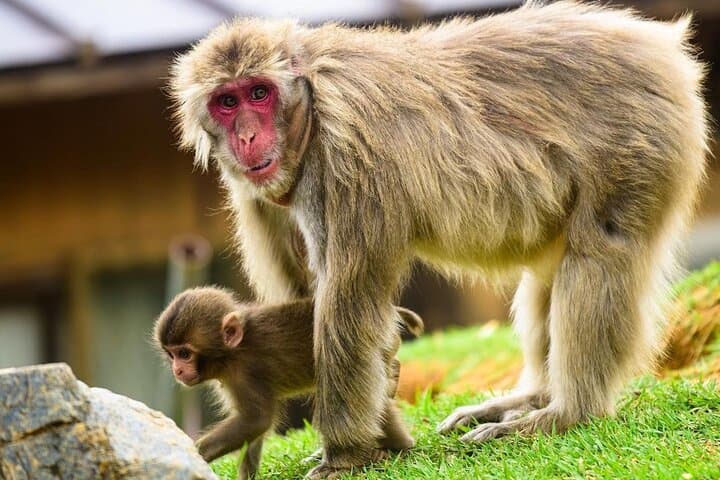
Arashiyama layers centuries: Heian-period poems, Zen garden design at Tenryū-ji (a UNESCO site), and a modern tourism economy threaded along narrow lanes. Geologically the area sits on river-carved terraces of the Hozu, with low volcanic and sedimentary slopes that create steep, short hikes — like the 20–25 minute ascent to Iwatayama Monkey Park (roughly an 80–120 m gain). Cultural touches are constant: tea houses, stone lanterns, and a history of imperial retreats.
Practical guidance: expect 5–6 hours on varied terrain — paved lanes, stone steps and a dirt trail to the monkey hill. Bring yen for small admissions and matcha at Okōchi Sansō; wear grippy shoes for the steeper sections and a lightweight rain layer in early summer. Start early to avoid crowds and keep cameras ready but hands free when monkeys are nearby. The tour is bilingual, departs from Saga-Arashiyama Station, and balances iconic highlights with quieter back lanes most visitors miss. It’s a compact, walkable slice of Kyoto that pairs nature’s movement with centuries of human craft.
moderate.
5–6 hours.
Suitable for travelers who can walk continuously for several hours and handle a short steep climb; basic stamina and balance on stairs required.
The trail to Iwatayama Monkey Park is a roughly 20–25 minute climb with stone and dirt steps, gaining about 80–120 meters; it’s short but can feel strenuous if you’re unprepared.
Some garden admissions (Tenryū-ji, Okōchi Sansō) and the Monkey Park fee are not included — bring cash for these small entry fees.
Meet at Saga-Arashiyama Station; it’s well connected by train and gives immediate access to the bamboo path and nearby sights.
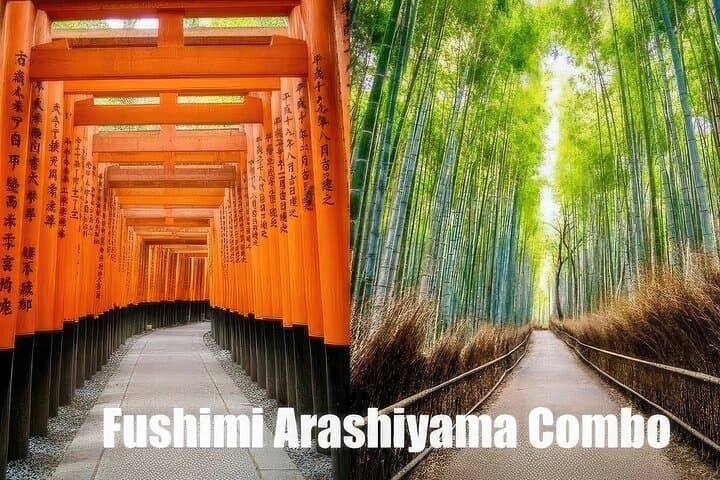
Yes — there’s a combo option that visits Fushimi Inari before Arashiyama; expect a longer day and earlier start when you choose the combo.
Arashiyama was a favored retreat for Kyoto’s aristocracy since the Heian period and features Zen garden design at Tenryū-ji dating to the 14th century.
Foot traffic concentrates in narrow corridors, so follow path guidelines, pack out trash, and avoid feeding wildlife to minimize human impact.
Japanify Tours operates guided outdoor trips and adventures with an emphasis on safety, stewardship, and memorable experiences.
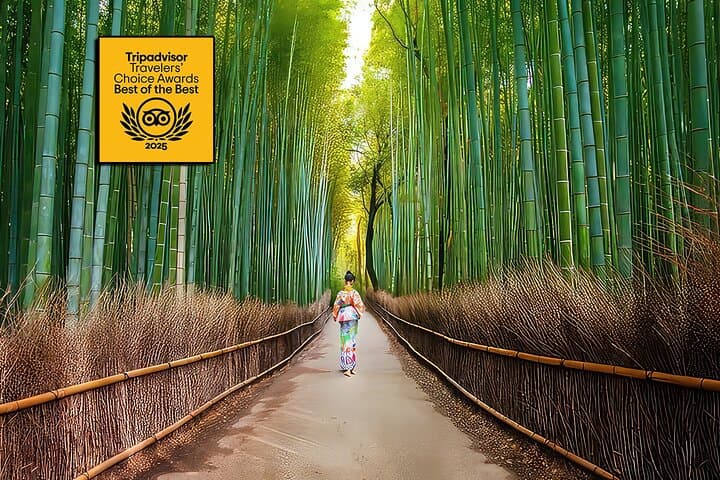
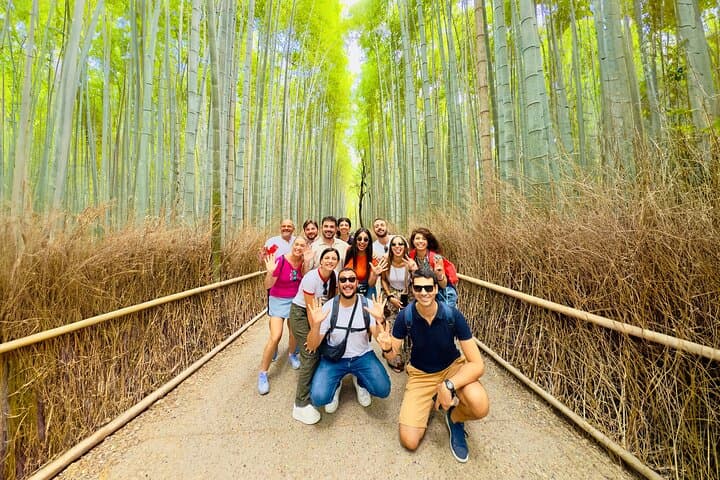
Morning light slices between towering bamboo as you step from Saga-Arashiyama Station into a corridor of green that seems to lean toward you. The bamboo grove here speaks in creaks and wind, guiding visitors past Nonomiya Shrine’s polished wood and on to Okōchi Sansō’s quiet terraces. Later, Togetsukyo Bridge opens the valley; the Hozu River dares you to slow down and look outward while the city falls away.
Morning light slices between towering bamboo as you step from Saga-Arashiyama Station into a corridor of green that seems to lean toward you. The bamboo grove here speaks in creaks and wind, guiding visitors past Nonomiya Shrine’s polished wood and on to Okōchi Sansō’s quiet terraces. Later, Togetsukyo Bridge opens the valley; the Hozu River dares you to slow down and look outward while the city falls away.
Arashiyama layers centuries: Heian-period poems, Zen garden design at Tenryū-ji (a UNESCO site), and a modern tourism economy threaded along narrow lanes. Geologically the area sits on river-carved terraces of the Hozu, with low volcanic and sedimentary slopes that create steep, short hikes — like the 20–25 minute ascent to Iwatayama Monkey Park (roughly an 80–120 m gain). Cultural touches are constant: tea houses, stone lanterns, and a history of imperial retreats.
Practical guidance: expect 5–6 hours on varied terrain — paved lanes, stone steps and a dirt trail to the monkey hill. Bring yen for small admissions and matcha at Okōchi Sansō; wear grippy shoes for the steeper sections and a lightweight rain layer in early summer. Start early to avoid crowds and keep cameras ready but hands free when monkeys are nearby. The tour is bilingual, departs from Saga-Arashiyama Station, and balances iconic highlights with quieter back lanes most visitors miss. It’s a compact, walkable slice of Kyoto that pairs nature’s movement with centuries of human craft.