THE ADVENTURE COLLECTIVE® · Independent discovery and booking for outdoor travel

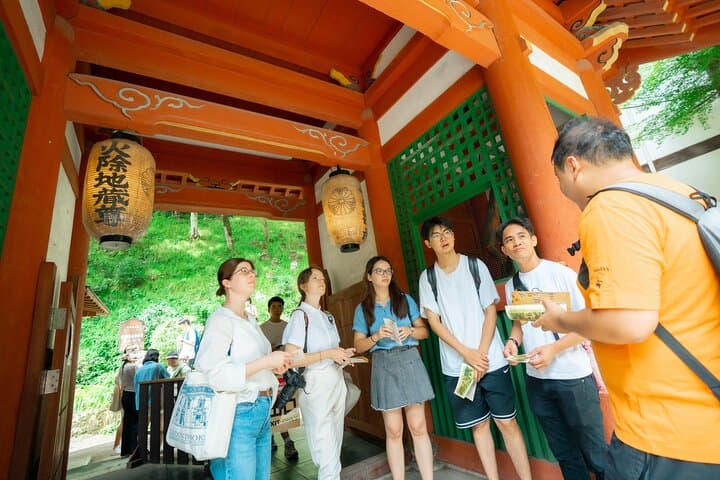
Skip the busiest lanes and let a local guide lead you through Arashiyama’s bamboo groves, riverside views, and lesser-known temples. This four-hour small-group walk pairs iconic photo spots with quiet cultural corners.
Skip the busiest lanes and let a local guide lead you through Arashiyama’s bamboo groves, riverside views, and lesser-known temples. This four-hour small-group walk pairs iconic photo spots with quiet cultural corners.
You step off the Randen tram into cool air that threads through towering bamboo—light filters like green glass and the path narrows beneath the stalks. The Hozu River runs nearby, its current nudging the valley forward as Togetsukyo Bridge frames mountains beyond.
Verified experiences and guided adventures in the surrounding area.
Operated by Japan Wonder Travel · Kyoto, Kyoto Prefecture
You step off the Randen tram into cool air that threads through towering bamboo—light filters like green glass and the path narrows beneath the stalks. The Hozu River runs nearby, its current nudging the valley forward as Togetsukyo Bridge frames mountains beyond.
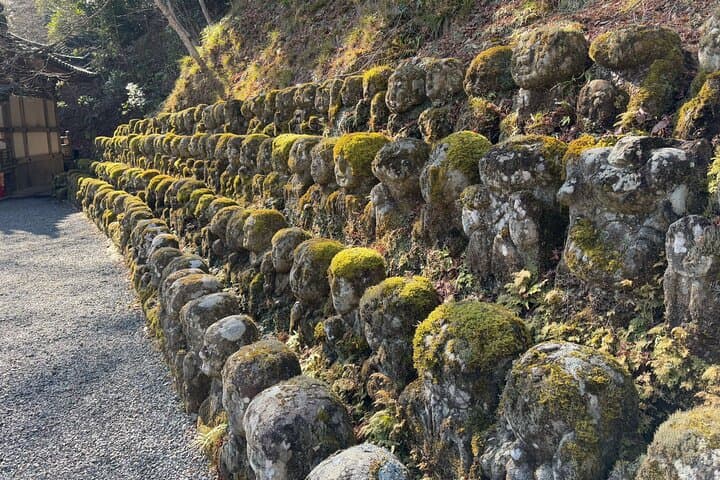
This small-group walking tour moves beyond the postcard bamboo and bridge to quieter corners: Otagi Nenbutsu-ji’s 1,200 stone rakan offer an intimate, idiosyncratic take on Buddhist craft, while Jojakko-ji’s hillside gardens provide expansive views across Arashiyama. Saga Toriimoto’s preserved street recalls Edo-period village life with thatched roofs and narrow lanes, and on Wednesdays the route diverts to Adashino Nenbutsu-ji, where thousands of memorial stones mark a different side of Kyoto’s spiritual geography.
Geology here is gentle—low volcanic foothills and river-carved valleys—so trails are mostly paved or compact dirt, with short flights of stone steps at temple approaches. Culturally, Arashiyama has been a retreat since Heian times; the landscape shaped leisure, poetry, and pilgrimage.
Practically: expect about four hours of steady but easy walking, occasional stairs, and photo stops. A local guide handles admissions to included temples and serves a short break beverage. Carry an IC card or small change for a side bus (≈¥230), wear comfortable shoes, and plan mornings to limit crowds. Respect temple etiquette—quiet voices, no large tripods, and remove hats in sacred spaces. The tour balances classic views with quieter discoveries, giving you a richer viewpoint on Kyoto’s western edge.
easy.
4 hours.
Suitable for most people who can walk steadily for several hours; expect short flights of stairs and uneven temple steps.
Meet at Hannari Hokkori Square in front of Randen Arashiyama Station about 15 minutes before the 9:15–9:30 a.m. start so the group can leave on time.
Admission to Otagi Nenbutsu-ji and Jojakko-ji is included, and a short beverage break is provided; other food, matcha, and personal purchases are at your expense.
The tour involves moderate walking and some stone steps at temples; it’s suitable for most fitness levels but not recommended for travelers with severe spinal or mobility issues.
For a full refund cancel at least 24 hours before the scheduled departure time; cancellations within 24 hours are not refundable.
Arashiyama became a scenic retreat for Heian-period aristocrats; Togetsukyo Bridge has been a landmark since that era, with the current reconstruction dating to the early 20th century.
Arashiyama manages heavy visitation—stick to marked paths, avoid feeding wildlife, and use refillable bottles to reduce plastic waste.
Japan Wonder Travel operates guided outdoor trips and adventures with an emphasis on safety, stewardship, and memorable experiences.

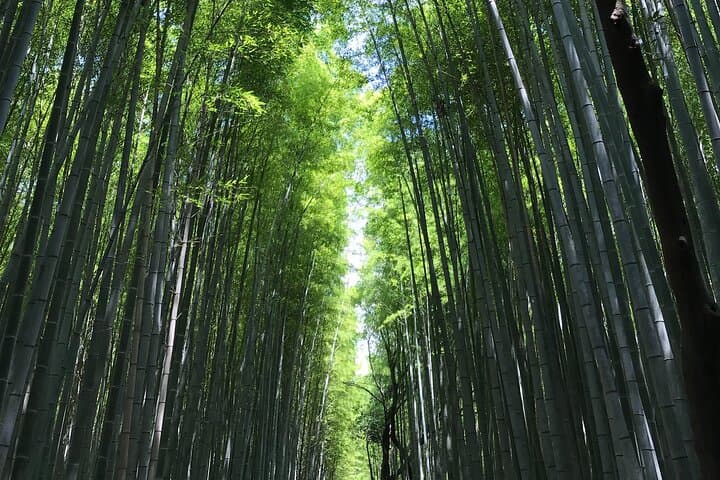
You step off the Randen tram into cool air that threads through towering bamboo—light filters like green glass and the path narrows beneath the stalks. The Hozu River runs nearby, its current nudging the valley forward as Togetsukyo Bridge frames mountains beyond.
You step off the Randen tram into cool air that threads through towering bamboo—light filters like green glass and the path narrows beneath the stalks. The Hozu River runs nearby, its current nudging the valley forward as Togetsukyo Bridge frames mountains beyond.
This small-group walking tour moves beyond the postcard bamboo and bridge to quieter corners: Otagi Nenbutsu-ji’s 1,200 stone rakan offer an intimate, idiosyncratic take on Buddhist craft, while Jojakko-ji’s hillside gardens provide expansive views across Arashiyama. Saga Toriimoto’s preserved street recalls Edo-period village life with thatched roofs and narrow lanes, and on Wednesdays the route diverts to Adashino Nenbutsu-ji, where thousands of memorial stones mark a different side of Kyoto’s spiritual geography.
Geology here is gentle—low volcanic foothills and river-carved valleys—so trails are mostly paved or compact dirt, with short flights of stone steps at temple approaches. Culturally, Arashiyama has been a retreat since Heian times; the landscape shaped leisure, poetry, and pilgrimage.
Practically: expect about four hours of steady but easy walking, occasional stairs, and photo stops. A local guide handles admissions to included temples and serves a short break beverage. Carry an IC card or small change for a side bus (≈¥230), wear comfortable shoes, and plan mornings to limit crowds. Respect temple etiquette—quiet voices, no large tripods, and remove hats in sacred spaces. The tour balances classic views with quieter discoveries, giving you a richer viewpoint on Kyoto’s western edge.