THE ADVENTURE COLLECTIVE® · Independent discovery and booking for outdoor travel

Spend a full day exploring Arashiyama’s bamboo groves, the gilded Kinkakuji Temple, and Nara Park’s friendly deer — all without worrying about train connections. This guided day tour from Osaka or Kyoto packs history, easy hikes and cultural highlights into one convenient route.
Spend a full day exploring Arashiyama’s bamboo groves, the gilded Kinkakuji Temple, and Nara Park’s friendly deer — all without worrying about train connections. This guided day tour from Osaka or Kyoto packs history, easy hikes and cultural highlights into one convenient route.
A cool morning air follows the river as you step off the coach into Arashiyama — bamboo stalks rise like ordered columns, sunlight threading through their leaves and casting a shifting mosaic on the path. The guide steers the pace: a measured walk through the Sagano Bamboo Grove, a glance at Tenryu-ji’s Zen garden, then a quiet riverboat ride where low mountains press close to the Hozu’s edges.
Verified experiences and guided adventures in the surrounding area.
Operated by TrevoTour Travels · Kyoto, Kyoto
A cool morning air follows the river as you step off the coach into Arashiyama — bamboo stalks rise like ordered columns, sunlight threading through their leaves and casting a shifting mosaic on the path. The guide steers the pace: a measured walk through the Sagano Bamboo Grove, a glance at Tenryu-ji’s Zen garden, then a quiet riverboat ride where low mountains press close to the Hozu’s edges.
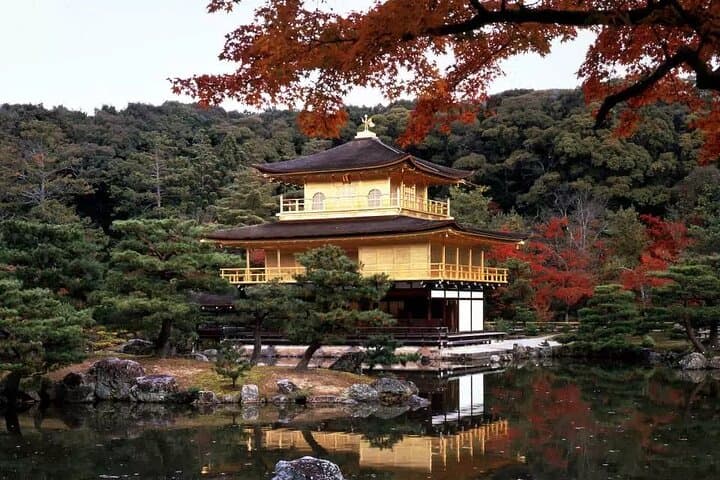
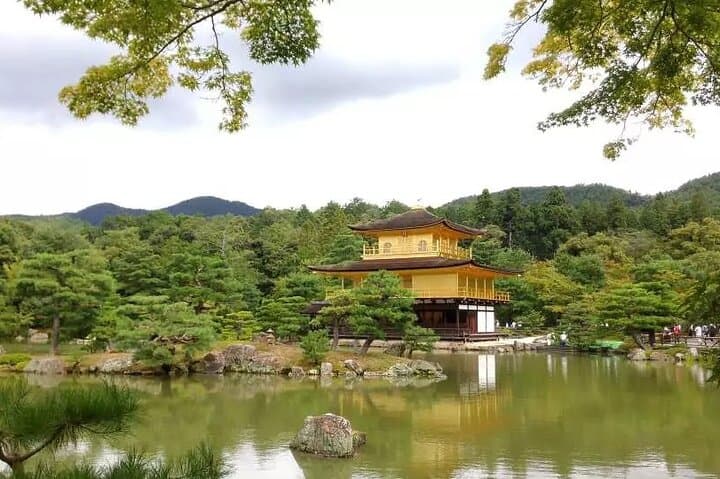
This loop visits eras of Japanese history in a few hours. Tenryu-ji represents Muromachi-period Zen landscaping; Kinkakuji (the Golden Pavilion) dates to the 14th century as a shogunal villa turned temple, its gold leaf flashing against the pond. Nara Park recalls an even older capital — Todaiji’s Daibutsu (Great Buddha) is an 8th‑century marvel and the park’s sika deer are tied into Shinto tradition as messengers.
Geology here is gentle: low volcanic foothills, river valleys with quick drainage and rich soils that support maples, cedars and the bamboo that frames Arashiyama. Cultural rhythms are compact — tea houses, shrine rituals and vendors selling mochi and deer crackers keep each stop deliberately local.
Practical side: expect 7–8 hours including travel, moderate walking on paved and uneven surfaces, and timed entries at Kinkakuji/Todaiji. Bring a compact rain layer, comfortable shoes, portable cash for snacks and small souvenirs, and a polite patience for photo crowds. Respect feeding rules with the deer and carry out waste; timing your visit for early morning or late afternoon reduces crowding and makes the river ride more atmospheric.
easy.
7–8 hours.
Suitable for average fitness; includes several short walks and standing at viewpoints
Pick-up and drop-off points are listed at booking (typically central Osaka or Kyoto locations); confirm your meeting point and arrival time in advance.
The itinerary notes wheelchair-accessible transport and stroller-friendly paths, but some temple grounds and boat rides include steps — check specific accessibility needs with the operator.
Some packages include admission to Kinkakuji and Todaiji; verify which ticket option you booked and whether lunch is part of your plan.
Yes—deer crackers sold in the park are safe and expected, but always follow ranger instructions and avoid feeding from your hands if the animals become insistent.
Kinkakuji began as a 14th‑century shogun’s villa before becoming a temple; Nara was Japan’s capital in the 8th century and houses Todaiji’s Great Buddha.
Stick to paths, use designated deer crackers, and carry out trash; these sites manage heavy visitor loads and local rules help protect cultural assets and wildlife.
TrevoTour Travels operates guided outdoor trips and adventures with an emphasis on safety, stewardship, and memorable experiences.
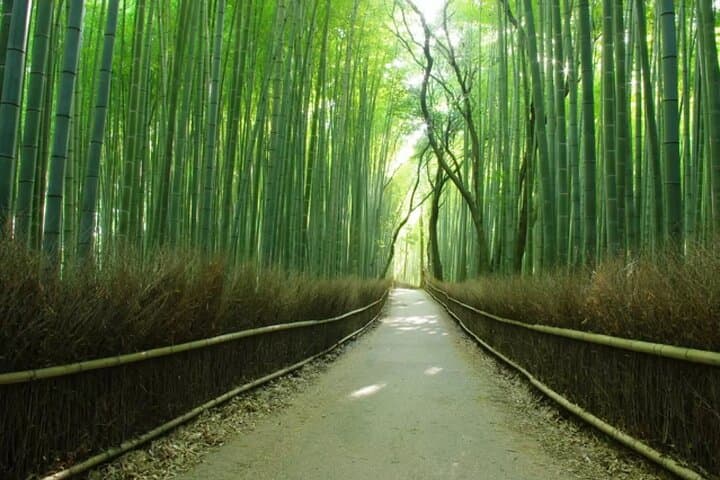
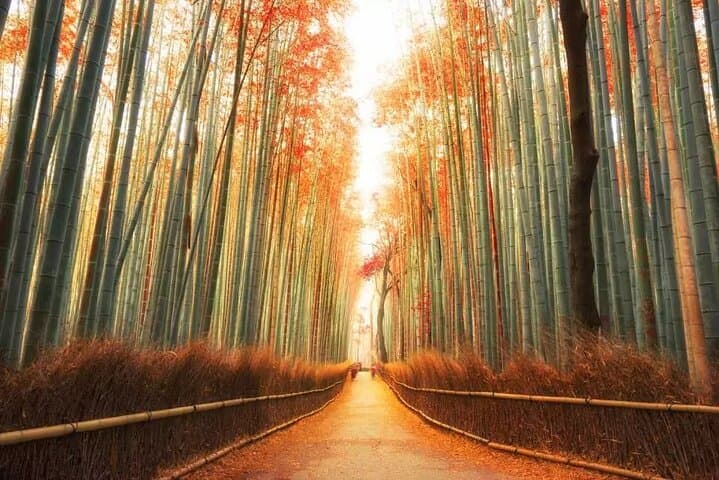
A cool morning air follows the river as you step off the coach into Arashiyama — bamboo stalks rise like ordered columns, sunlight threading through their leaves and casting a shifting mosaic on the path. The guide steers the pace: a measured walk through the Sagano Bamboo Grove, a glance at Tenryu-ji’s Zen garden, then a quiet riverboat ride where low mountains press close to the Hozu’s edges.
A cool morning air follows the river as you step off the coach into Arashiyama — bamboo stalks rise like ordered columns, sunlight threading through their leaves and casting a shifting mosaic on the path. The guide steers the pace: a measured walk through the Sagano Bamboo Grove, a glance at Tenryu-ji’s Zen garden, then a quiet riverboat ride where low mountains press close to the Hozu’s edges.
This loop visits eras of Japanese history in a few hours. Tenryu-ji represents Muromachi-period Zen landscaping; Kinkakuji (the Golden Pavilion) dates to the 14th century as a shogunal villa turned temple, its gold leaf flashing against the pond. Nara Park recalls an even older capital — Todaiji’s Daibutsu (Great Buddha) is an 8th‑century marvel and the park’s sika deer are tied into Shinto tradition as messengers.
Geology here is gentle: low volcanic foothills, river valleys with quick drainage and rich soils that support maples, cedars and the bamboo that frames Arashiyama. Cultural rhythms are compact — tea houses, shrine rituals and vendors selling mochi and deer crackers keep each stop deliberately local.
Practical side: expect 7–8 hours including travel, moderate walking on paved and uneven surfaces, and timed entries at Kinkakuji/Todaiji. Bring a compact rain layer, comfortable shoes, portable cash for snacks and small souvenirs, and a polite patience for photo crowds. Respect feeding rules with the deer and carry out waste; timing your visit for early morning or late afternoon reduces crowding and makes the river ride more atmospheric.