THE ADVENTURE COLLECTIVE® · Independent discovery and booking for outdoor travel

Walk the famous bamboo grove, visit Tenryū-ji’s centuries-old pond garden, cross the storied Togetsukyo Bridge, and finish with a guided matcha tea ceremony in a traditional machiya. This compact Arashiyama tour mixes landscape, history, and mindful ritual in about four hours.
Walk the famous bamboo grove, visit Tenryū-ji’s centuries-old pond garden, cross the storied Togetsukyo Bridge, and finish with a guided matcha tea ceremony in a traditional machiya. This compact Arashiyama tour mixes landscape, history, and mindful ritual in about four hours.
A low river wind moves through green culms as you enter Arashiyama’s bamboo grove; the stalks lean and whisper, the path narrowing into a living corridor. Within minutes the city’s pulse softens: mossy temple roofs, the measured cadence of monks’ footsteps, and the slow sweep of the Ōi River beneath Togetsukyo Bridge.
Verified experiences and guided adventures in the surrounding area.
Operated by Masa · Kyoto, Kyoto Prefecture
A low river wind moves through green culms as you enter Arashiyama’s bamboo grove; the stalks lean and whisper, the path narrowing into a living corridor. Within minutes the city’s pulse softens: mossy temple roofs, the measured cadence of monks’ footsteps, and the slow sweep of the Ōi River beneath Togetsukyo Bridge.
This half-day experience pairs three cultural touchstones—Tenryū-ji Temple with its 700-year-old Sogen-ike pond garden, the towering bamboo avenue, and the moon-crossing Togetsukyo Bridge—with a short, guided matcha ceremony inside a restored machiya townhouse. The landscape here is shaped by fluvial terraces and volcanic sediment from the Kyoto Basin; the river’s floodplain and nearby hills provided the scenic “borrowed landscape” that Zen gardeners incorporated centuries ago.
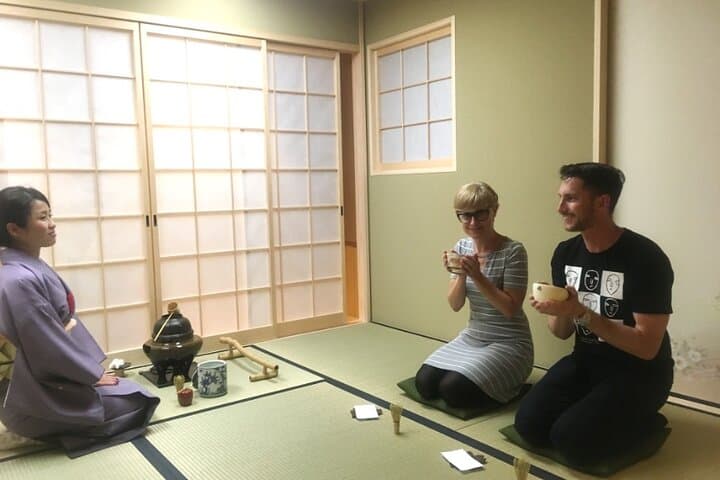
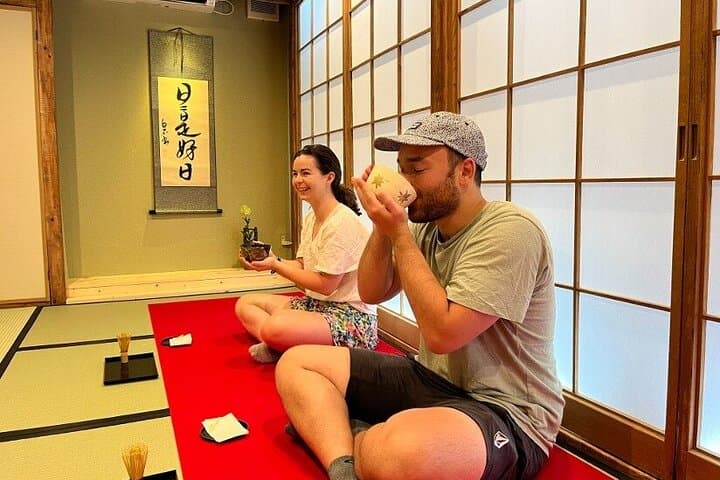
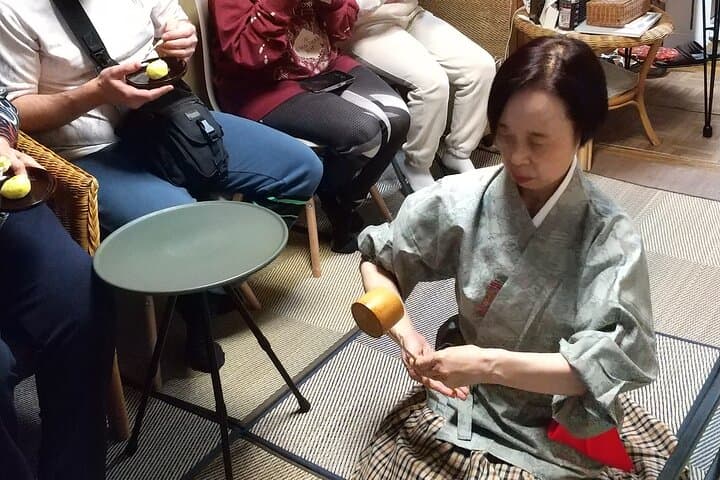
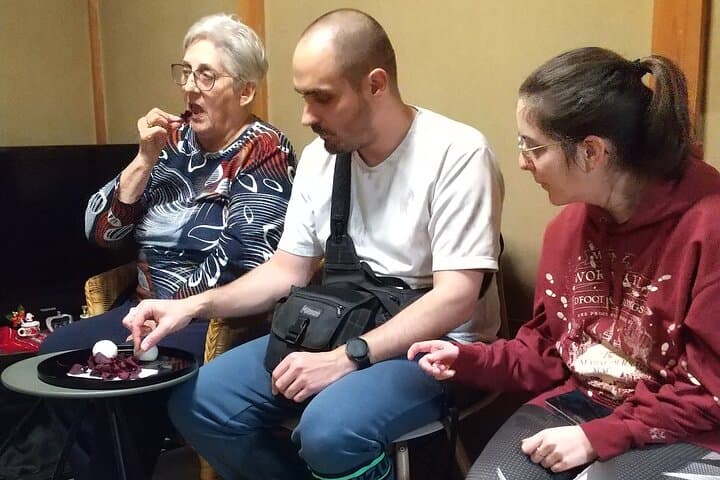
Arashiyama was both an imperial retreat and a religious district, and its shrines and temple gardens reflect layered histories from Kamakura-era Zen design to Edo-period pilgrimage routes. The matcha segment introduces basic tea-ceremony etiquette, the ritual preparation of powdered green tea, and seasonal confections that balance bitterness and texture.
Practical notes: the route is mostly paved with short stair sections; expect gentle walking totaling about three hours of sightseeing and one hour for the tea ceremony. Morning light avoids crowds at the grove; bring quiet shoes for temple floors and a light layer for river breezes. Public transit access is straightforward—many guides meet at JR Saga-Arashiyama station—and reservations often include temple admission and ceremony fees. Blend respectful behavior with curiosity and this compact tour delivers cultural depth with minimal logistics.
easy.
4 hours.
Suitable for most fitness levels; expect 2–3 miles of easy walking with short stairs and standing during the tea demonstration.
Total time is about four hours: roughly three hours sightseeing and one hour matcha ceremony; admission to Tenryū-ji and the tea ceremony fee are included.
Guides typically meet outside JR Saga-Arashiyama Station and may finish near Hankyu Kamikatsura Station—confirm pickup/drop-off when booking.
Yes—hosts provide a brief explanation of tea-ceremony etiquette and guide guests through tasting and the proper way to receive matcha and sweets.
Yes; the walking is gentle though there are short steps and standing during the ceremony—notify the operator of mobility needs when booking.
Arashiyama has been an imperial and religious retreat since the Heian and Kamakura periods; Tenryū-ji’s garden dates to the 14th century and exemplifies Zen borrowed-landscape design.
High foot traffic stresses narrow paths and moss gardens—stay on designated walkways, avoid touching bamboo, and support local businesses that practice low-impact tourism.
Masa operates guided outdoor trips and adventures with an emphasis on safety, stewardship, and memorable experiences.
A low river wind moves through green culms as you enter Arashiyama’s bamboo grove; the stalks lean and whisper, the path narrowing into a living corridor. Within minutes the city’s pulse softens: mossy temple roofs, the measured cadence of monks’ footsteps, and the slow sweep of the Ōi River beneath Togetsukyo Bridge.
A low river wind moves through green culms as you enter Arashiyama’s bamboo grove; the stalks lean and whisper, the path narrowing into a living corridor. Within minutes the city’s pulse softens: mossy temple roofs, the measured cadence of monks’ footsteps, and the slow sweep of the Ōi River beneath Togetsukyo Bridge.
This half-day experience pairs three cultural touchstones—Tenryū-ji Temple with its 700-year-old Sogen-ike pond garden, the towering bamboo avenue, and the moon-crossing Togetsukyo Bridge—with a short, guided matcha ceremony inside a restored machiya townhouse. The landscape here is shaped by fluvial terraces and volcanic sediment from the Kyoto Basin; the river’s floodplain and nearby hills provided the scenic “borrowed landscape” that Zen gardeners incorporated centuries ago.
Arashiyama was both an imperial retreat and a religious district, and its shrines and temple gardens reflect layered histories from Kamakura-era Zen design to Edo-period pilgrimage routes. The matcha segment introduces basic tea-ceremony etiquette, the ritual preparation of powdered green tea, and seasonal confections that balance bitterness and texture.
Practical notes: the route is mostly paved with short stair sections; expect gentle walking totaling about three hours of sightseeing and one hour for the tea ceremony. Morning light avoids crowds at the grove; bring quiet shoes for temple floors and a light layer for river breezes. Public transit access is straightforward—many guides meet at JR Saga-Arashiyama station—and reservations often include temple admission and ceremony fees. Blend respectful behavior with curiosity and this compact tour delivers cultural depth with minimal logistics.