THE ADVENTURE COLLECTIVE® · Independent discovery and booking for outdoor travel

Spend a day in Arashiyama exploring carved stone guardians, centuries-old temples and a world-famous bamboo grove, then cap it with a private Katsura River cruise led by a former maiko. This mixed walking-and-boat tour blends cultural insight with calm riverside scenery.
Spend a day in Arashiyama exploring carved stone guardians, centuries-old temples and a world-famous bamboo grove, then cap it with a private Katsura River cruise led by a former maiko. This mixed walking-and-boat tour blends cultural insight with calm riverside scenery.
A cool morning fog lifts off the Katsura River as the group gathers beneath the maples of Arashiyama. Stone lanterns, mossy steps and the low murmur of the river set the pace; a former maiko boards a small private boat later in the day and the shamisen’s first note carries like a personal invitation.
Verified experiences and guided adventures in the surrounding area.
Operated by Snow Monkey Resorts Tours (Machinovate Japan Ltd.) · Kyoto, Kyoto Prefecture
A cool morning fog lifts off the Katsura River as the group gathers beneath the maples of Arashiyama. Stone lanterns, mossy steps and the low murmur of the river set the pace; a former maiko boards a small private boat later in the day and the shamisen’s first note carries like a personal invitation.
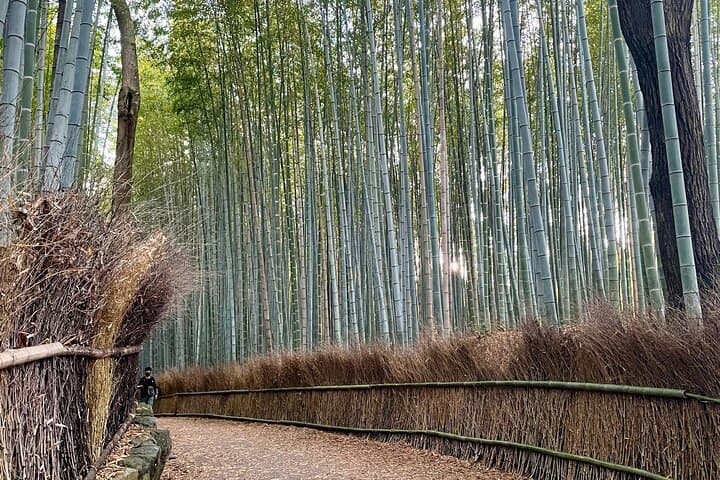
The route threads through Kyoto’s layered history: Ōtagi Nenbutsu-ji’s 1,200 carved stone figures reflect a modern folk revival, while Adashino Nenbutsu-ji preserves terraces of memorial stones marking centuries of funerary practice. Tenryū-ji, a UNESCO site, frames a classic Zen garden set against the mountains, and the bamboo grove’s soaring stalks are a favorite of poets and painters since the Edo period. Geology here is gentle—river-carved terraces, alluvial soil and volcanic-age bedrock beyond the hills—supporting a green corridor that has hosted human ritual and leisure for a thousand years.
Expect mostly paved paths and short stairs, light walking between temple grounds and preserved merchant streets, then a calm private cruise on the Katsura River where seasonal kimono and traditional music provide cultural context rarely available to casual visitors.
Practical notes: wear comfortable shoes for 4–6 km of walking spread across the day, carry water and yen for small purchases, and plan arrival/departure via central Kyoto public transit. Midday crowds concentrate in the bamboo grove—visit Tenryū-ji early and book the boat segment for later afternoon light. Respect temple etiquette, keep voices low, and leave no trace in these fragile cultural landscapes.
easy.
6–7 hours.
Basic walking fitness: several short walks adding to a full day on your feet with occasional stairs.
Yes—entrance fees for the listed temples and the private Katsura River boat experience are included in the tour price.
No—this itinerary uses buses, boats and includes stairs and uneven paths, so it is not wheelchair accessible at this time.
Guiding and the maiko’s stories are typically offered in English or bilingual formats depending on the tour operator; confirm language availability when booking.
Arashiyama is reachable by JR, Hankyu or Keifuku rail lines and local buses; allow 30–45 minutes from central Kyoto and check the operator’s meeting instructions for the exact stop.
Arashiyama has been a leisure and poetic destination since the Heian period; Tenryū-ji was founded in the 14th century and later designated a UNESCO World Heritage site.
High visitor numbers stress the bamboo grove and temple grounds—stick to designated paths, avoid trampling vegetation, and support small local businesses to sustain community-led conservation.
Snow Monkey Resorts Tours (Machinovate Japan Ltd.) operates guided outdoor trips and adventures with an emphasis on safety, stewardship, and memorable experiences.
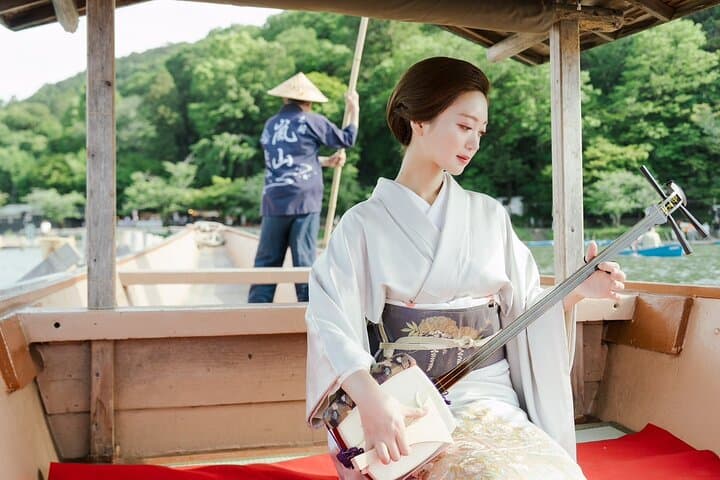
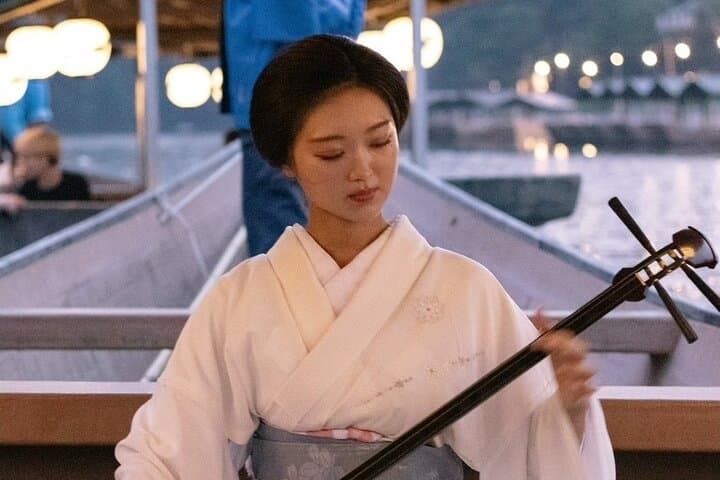
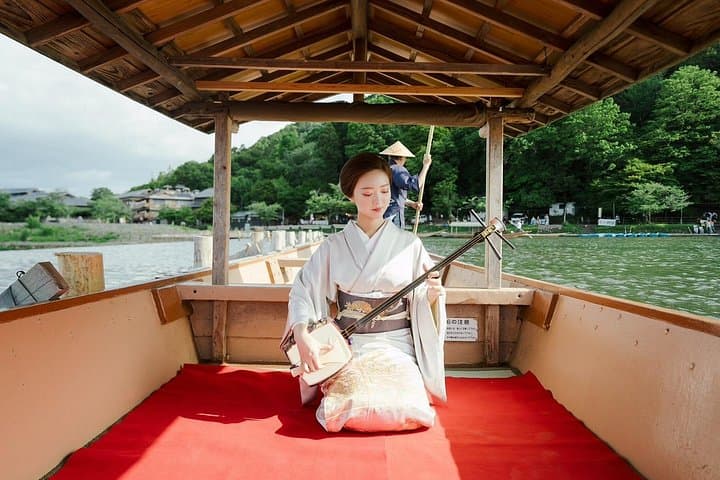
A cool morning fog lifts off the Katsura River as the group gathers beneath the maples of Arashiyama. Stone lanterns, mossy steps and the low murmur of the river set the pace; a former maiko boards a small private boat later in the day and the shamisen’s first note carries like a personal invitation.
A cool morning fog lifts off the Katsura River as the group gathers beneath the maples of Arashiyama. Stone lanterns, mossy steps and the low murmur of the river set the pace; a former maiko boards a small private boat later in the day and the shamisen’s first note carries like a personal invitation.
The route threads through Kyoto’s layered history: Ōtagi Nenbutsu-ji’s 1,200 carved stone figures reflect a modern folk revival, while Adashino Nenbutsu-ji preserves terraces of memorial stones marking centuries of funerary practice. Tenryū-ji, a UNESCO site, frames a classic Zen garden set against the mountains, and the bamboo grove’s soaring stalks are a favorite of poets and painters since the Edo period. Geology here is gentle—river-carved terraces, alluvial soil and volcanic-age bedrock beyond the hills—supporting a green corridor that has hosted human ritual and leisure for a thousand years.
Expect mostly paved paths and short stairs, light walking between temple grounds and preserved merchant streets, then a calm private cruise on the Katsura River where seasonal kimono and traditional music provide cultural context rarely available to casual visitors.
Practical notes: wear comfortable shoes for 4–6 km of walking spread across the day, carry water and yen for small purchases, and plan arrival/departure via central Kyoto public transit. Midday crowds concentrate in the bamboo grove—visit Tenryū-ji early and book the boat segment for later afternoon light. Respect temple etiquette, keep voices low, and leave no trace in these fragile cultural landscapes.