THE ADVENTURE COLLECTIVE® · Independent discovery and booking for outdoor travel

Step beneath towering bamboo and follow a guide through riverside bridges, a UNESCO‑linked Zen temple, a private garden for matcha, and a short hike to a monkey park. This five‑hour walking tour pairs cultural context with light outdoor movement — ideal for travelers who want to see both nature and history in Arashiyama.
Step beneath towering bamboo and follow a guide through riverside bridges, a UNESCO‑linked Zen temple, a private garden for matcha, and a short hike to a monkey park. This five‑hour walking tour pairs cultural context with light outdoor movement — ideal for travelers who want to see both nature and history in Arashiyama.
Morning light filters through towering bamboo culms as the group steps into Arashiyama. The grove’s tall stalks press a cool green ceiling overhead; voices soften, camera shutters pause. From that hush the route unfurls — a riverside bridge, a centuries-old Zen temple, a private villa garden with matcha on its terrace, and a short, steep climb to watch macaques on a forested ridge.
Verified experiences and guided adventures in the surrounding area.
Operated by Japan Tour Adventure · Kyoto, Kyoto
Morning light filters through towering bamboo culms as the group steps into Arashiyama. The grove’s tall stalks press a cool green ceiling overhead; voices soften, camera shutters pause. From that hush the route unfurls — a riverside bridge, a centuries-old Zen temple, a private villa garden with matcha on its terrace, and a short, steep climb to watch macaques on a forested ridge.
Arashiyama’s landscape carries layers of history: a Heian-period retreat for Kyoto’s aristocracy, Tenryū-ji’s 14th‑century Zen presence, and rivers shaped by the Katsura’s alluvial plain. The bamboo itself grows on volcanic and riverine soils that support the fast‑shooting groves visitors find striking today. Local culture shows in woodshop storefronts, confectionery stalls serving yatsuhashi, and the measured etiquette at temple gates.
Practical guidance matters: this is a five‑hour walking tour that covers roughly 4–6 km on mostly paved paths, with a 15–20 minute steep section and ~100 m of short elevation gain to the Monkey Park. Wear grippy shoes for the hill, carry water and a light layer for sudden showers, and bring cash for small souvenirs and temple donations. Guides include entrance to Tenryū-ji, Okochi Sansō, and the monkey park; expect time to pause at a former tea house for matcha.
Respect signs and never feed wildlife — macaques can be bold. Arrive 15 minutes early, and note that this shared tour runs with a 2‑guest minimum and accepts mobile tickets. The route balances easy urban strolling with a few lively natural moments — a compact, sensory slice of Kyoto that pairs culture with a brisk outdoor pulse.
easy.
4–6 hours.
Light walking fitness; able to stand and walk for several hours with one short steep ascent (15–20 minutes).
Some guides speak French, German, or Spanish, but English is the guaranteed language on shared tours; confirm other languages with the operator before booking.
Most sections are stroller‑friendly, but the short steep path to Monkey Park is not; parents should be prepared to carry children for that segment.
This is a shared tour with up to 12 people, a two‑guest minimum to run, and full refunds available if canceled at least 24 hours before departure.
Yes — the itinerary includes a stop at Okochi Sansō with matcha served, and time on the shopping street for sweets and souvenirs (cash recommended).
Arashiyama was a leisure destination for Kyoto’s aristocracy from the Heian period; Tenryū-ji was founded in the 14th century and restored over time as a central Zen site.
Stay on marked paths, avoid touching temple structures, and never feed wildlife; these practices protect fragile temple gardens and reduce stress on the local macaque population.
Japan Tour Adventure operates guided outdoor trips and adventures with an emphasis on safety, stewardship, and memorable experiences.
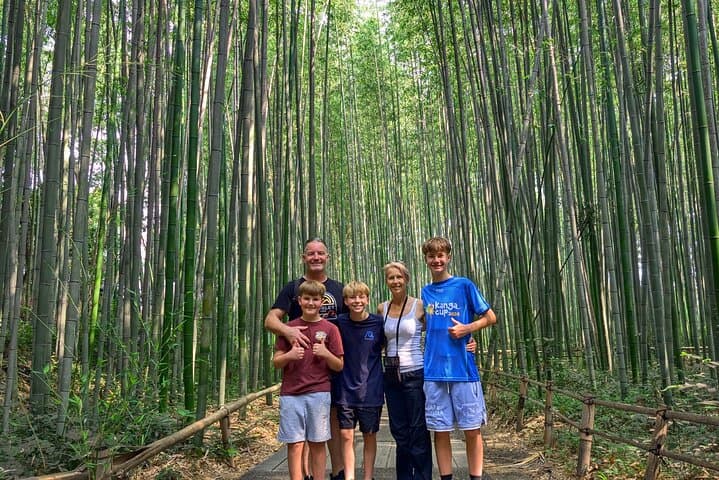
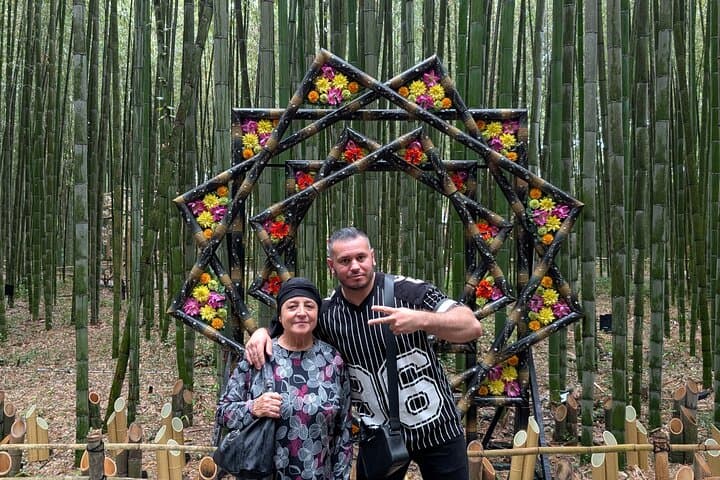
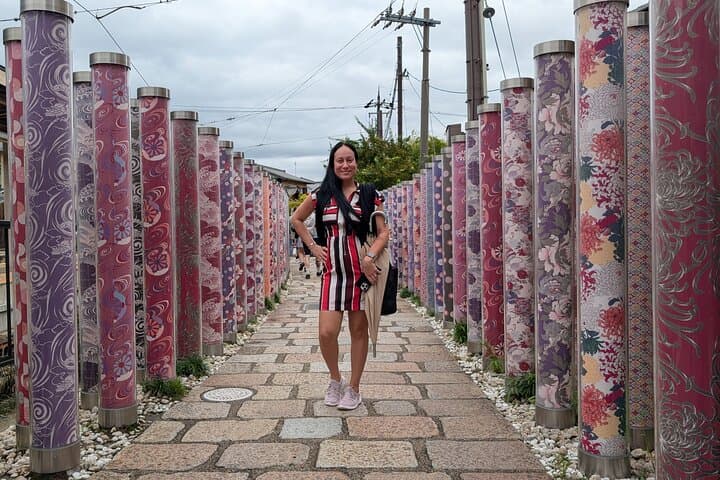
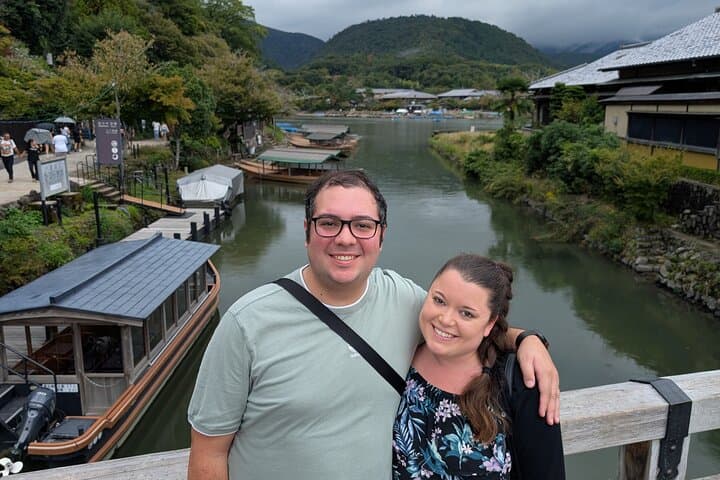
Morning light filters through towering bamboo culms as the group steps into Arashiyama. The grove’s tall stalks press a cool green ceiling overhead; voices soften, camera shutters pause. From that hush the route unfurls — a riverside bridge, a centuries-old Zen temple, a private villa garden with matcha on its terrace, and a short, steep climb to watch macaques on a forested ridge.
Morning light filters through towering bamboo culms as the group steps into Arashiyama. The grove’s tall stalks press a cool green ceiling overhead; voices soften, camera shutters pause. From that hush the route unfurls — a riverside bridge, a centuries-old Zen temple, a private villa garden with matcha on its terrace, and a short, steep climb to watch macaques on a forested ridge.
Arashiyama’s landscape carries layers of history: a Heian-period retreat for Kyoto’s aristocracy, Tenryū-ji’s 14th‑century Zen presence, and rivers shaped by the Katsura’s alluvial plain. The bamboo itself grows on volcanic and riverine soils that support the fast‑shooting groves visitors find striking today. Local culture shows in woodshop storefronts, confectionery stalls serving yatsuhashi, and the measured etiquette at temple gates.
Practical guidance matters: this is a five‑hour walking tour that covers roughly 4–6 km on mostly paved paths, with a 15–20 minute steep section and ~100 m of short elevation gain to the Monkey Park. Wear grippy shoes for the hill, carry water and a light layer for sudden showers, and bring cash for small souvenirs and temple donations. Guides include entrance to Tenryū-ji, Okochi Sansō, and the monkey park; expect time to pause at a former tea house for matcha.
Respect signs and never feed wildlife — macaques can be bold. Arrive 15 minutes early, and note that this shared tour runs with a 2‑guest minimum and accepts mobile tickets. The route balances easy urban strolling with a few lively natural moments — a compact, sensory slice of Kyoto that pairs culture with a brisk outdoor pulse.