THE ADVENTURE COLLECTIVE® · Independent discovery and booking for outdoor travel

Walk the famous Arashiyama bamboo path before the crowds, then climb quieter mountain trails to panoramic views and the stone statues of Adashino Nenbutsu-ji. This 3-hour guided hike blends Kyoto’s natural beauty with centuries of local culture.
Walk the famous Arashiyama bamboo path before the crowds, then climb quieter mountain trails to panoramic views and the stone statues of Adashino Nenbutsu-ji. This 3-hour guided hike blends Kyoto’s natural beauty with centuries of local culture.
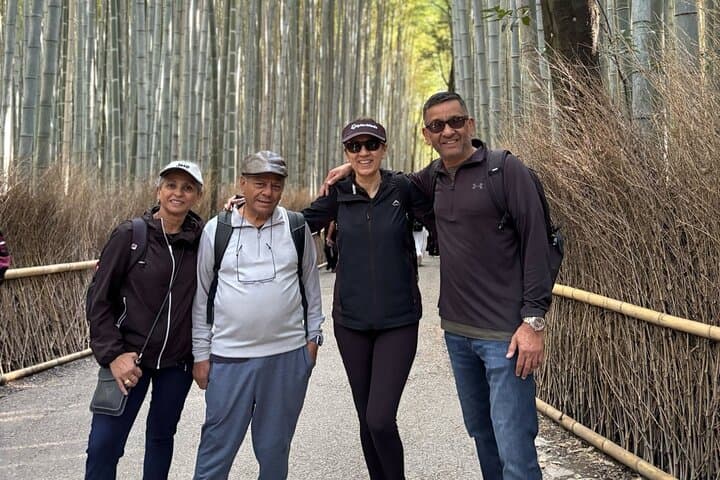
Before dawn the bamboo begins to breathe — wind threading long, hollow trunks into a soft, sibilant chorus as you walk the main path while the city still sleeps.
Verified experiences and guided adventures in the surrounding area.
Operated by GuideMe Japan · Kyoto, Kyoto Prefecture
Before dawn the bamboo begins to breathe — wind threading long, hollow trunks into a soft, sibilant chorus as you walk the main path while the city still sleeps.
This three-hour Arashiyama hike takes the classic cedar-and-bamboo corridors people snap photos of, then pushes upward onto lesser-used trails for broad views over Kyoto and a quieter encounter with nature. The route mixes packed dirt, short stone steps and forest switchbacks; expect roughly 5 km of walking with about 200–300 m of elevation gain depending on the exact trail chosen. Along the way you visit Adashino Nenbutsu-ji, the temple noted for its thousands of small stone statues that mark long-held local funerary rituals.
Geology here is gentle — low volcanic ridges and river-carved terraces that create the steep slopes behind the town. Culturally the valley served as a Heian-era retreat, and the temples reflect centuries of Buddhist practice and seasonal ceremonies.
Practical edge: start at first light to avoid crowds in the Bamboo Grove and to catch the mountain air cool and still. Wear grippy footwear for wet stone steps, carry 1–1.5 L of water, and bring a lightweight rain layer in case of sudden showers. Guides typically lead in English and set a steady pace for hikers with moderate fitness; the operator requests mountain-rescue insurance and reserves the right to end participation for safety reasons. Respect temple spaces, keep noise low, and stay on marked trails to protect fragile bamboo roots and soil.
moderate.
3 hours.
Participants should have moderate fitness—able to hike 5 km with short steep sections and some stairways.
The guided tour runs about 3 hours and covers roughly 5 km with an elevation gain near 200–300 m, combining flat bamboo paths and steeper mountain trails.
Yes — this operator lists an English-speaking guide as part of the tour inclusions.
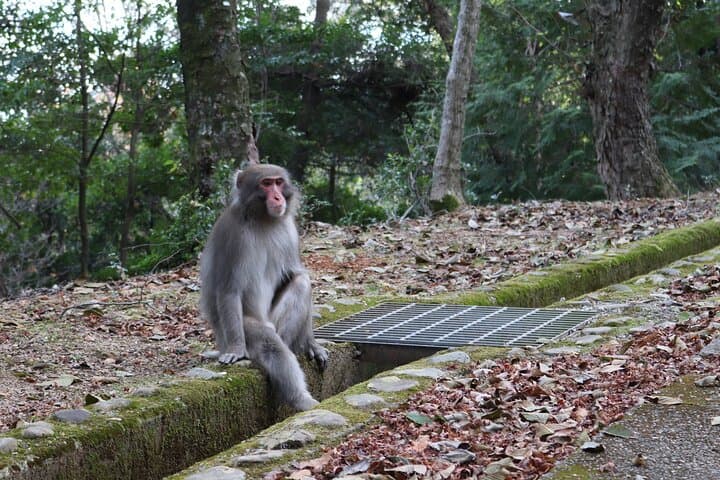
Wild macaques are present in the Arashiyama foothills; sightings are possible but not guaranteed—keep distance and do not feed wildlife.
Participants should have moderate fitness; the operator requests mountain-rescue insurance covering search and rescue and liability in case of emergency.
Arashiyama grew as a rustic retreat for Kyoto’s aristocracy; Adashino Nenbutsu-ji contains thousands of small stone statues tied to local memorial practices.
High foot traffic stresses bamboo roots and temple moss—stay on paths, avoid touching roots, and pack out waste to minimize impact.
GuideMe Japan operates guided outdoor trips and adventures with an emphasis on safety, stewardship, and memorable experiences.
Before dawn the bamboo begins to breathe — wind threading long, hollow trunks into a soft, sibilant chorus as you walk the main path while the city still sleeps.
Before dawn the bamboo begins to breathe — wind threading long, hollow trunks into a soft, sibilant chorus as you walk the main path while the city still sleeps.
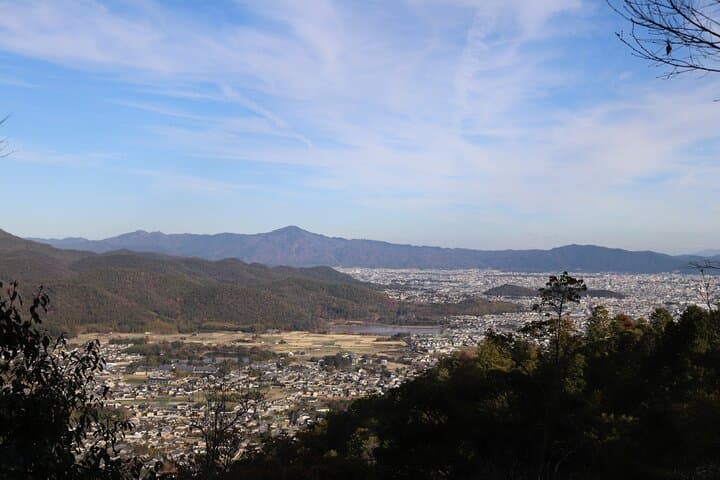
This three-hour Arashiyama hike takes the classic cedar-and-bamboo corridors people snap photos of, then pushes upward onto lesser-used trails for broad views over Kyoto and a quieter encounter with nature. The route mixes packed dirt, short stone steps and forest switchbacks; expect roughly 5 km of walking with about 200–300 m of elevation gain depending on the exact trail chosen. Along the way you visit Adashino Nenbutsu-ji, the temple noted for its thousands of small stone statues that mark long-held local funerary rituals.
Geology here is gentle — low volcanic ridges and river-carved terraces that create the steep slopes behind the town. Culturally the valley served as a Heian-era retreat, and the temples reflect centuries of Buddhist practice and seasonal ceremonies.
Practical edge: start at first light to avoid crowds in the Bamboo Grove and to catch the mountain air cool and still. Wear grippy footwear for wet stone steps, carry 1–1.5 L of water, and bring a lightweight rain layer in case of sudden showers. Guides typically lead in English and set a steady pace for hikers with moderate fitness; the operator requests mountain-rescue insurance and reserves the right to end participation for safety reasons. Respect temple spaces, keep noise low, and stay on marked trails to protect fragile bamboo roots and soil.