THE ADVENTURE COLLECTIVE® · Independent discovery and booking for outdoor travel

Drive from Nukus into the exposed bed of the Aral Sea, sleep in yurts on the sandy shore, and walk among rusted ship hulks that mark a modern environmental collapse. This 2-day journey combines geology, cultural encounters and stark coastal scenery.
Drive from Nukus into the exposed bed of the Aral Sea, sleep in yurts on the sandy shore, and walk among rusted ship hulks that mark a modern environmental collapse. This 2-day journey combines geology, cultural encounters and stark coastal scenery.
When the road thins and the steppe opens, the Aral Sea appears less as a body of water and more as a memory carved into salt and rust. The first day’s drive from Nukus unspools for seven hours across the Karakalpak plain; you arrive at a yurt camp where wind dents the horizon and former harbors lie high and dry — the so-called "Cemetery of Ships."
Verified experiences and guided adventures in the surrounding area.
Operated by Sayyah Uzbekistan · Moynaq, Karakalpakstan
When the road thins and the steppe opens, the Aral Sea appears less as a body of water and more as a memory carved into salt and rust. The first day’s drive from Nukus unspools for seven hours across the Karakalpak plain; you arrive at a yurt camp where wind dents the horizon and former harbors lie high and dry — the so-called "Cemetery of Ships."
This trip threads geology, history and culture into two compact days. The Aral’s retreat is a modern geological event driven by 20th-century irrigation projects; rusting hulls and bleached seabeds trace that story. Along the way Mizdakhan and the Kurgancha caravanserai reveal older chapters: Silk Road arteries, prehistoric ritual sites and local Karakalpak traditions, including family-run lunches and camel herding villages. White Canyons nearby offer chalk cliffs and photo-ready overlooks where wind and water carved stark ridgelines.
Practically speaking: expect long off-road stretches in 4WD, basic yurt accommodation, communal meals, and short hikes around shoreline features. Nights are cold; days are sun-exposed. Bring layered clothing, sturdy footwear for uneven salt flats, and enough water for long transfers. Photography is compelling but be respectful around cultural sites and guided conservation messaging — this is both a landscape to witness and a lesson in human impact. The itinerary concludes back in Nukus on day two after stops at wetlands important for migratory birds, making this a physically moderate but emotionally heavy short expedition.
moderate.
2 days.
Moderate fitness for long vehicle transfers, short shoreline walks and occasional uneven terrain
Most departures begin in Nukus, with a 6–8 hour round-trip drive by air-conditioned 4WD; operators can arrange pickup from the Nukus airport or central hotels.
Swimming is not recommended because of pollution, chemical residues and uneven, silty shoreline; safe bathing depends on location and guide advice.
Overnight is in a traditional yurt camp with basic facilities: sleeping mats or cots, shared toilets and communal meals, adapted to remote conditions.
No special permits are generally required for tourist visits, but travelers should have moderate fitness and pregnant travelers are advised against the excursion due to remote conditions.
The Aral Sea’s dramatic shrinkage began mid-20th century when Soviet irrigation projects diverted river inflows, leaving former ports stranded inland and creating the ship graveyards around Moynaq.
The region highlights human-driven ecological change; responsible visits minimize waste, support local guides and contribute to community-based tourism that funds conservation and heritage projects.
Sayyah Uzbekistan operates guided outdoor trips and adventures with an emphasis on safety, stewardship, and memorable experiences.
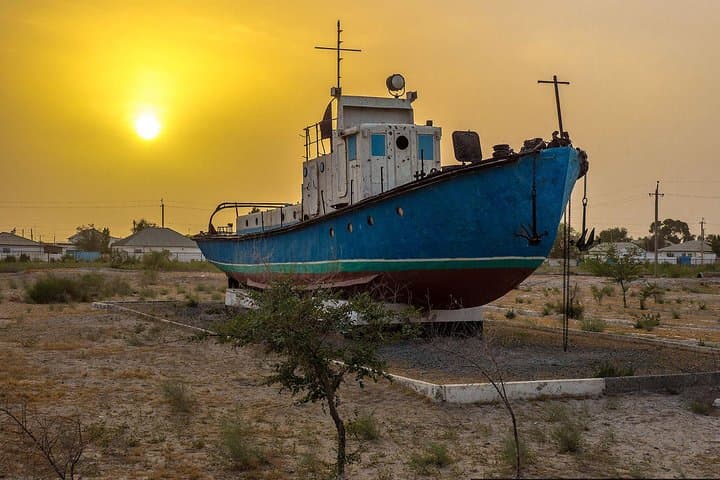
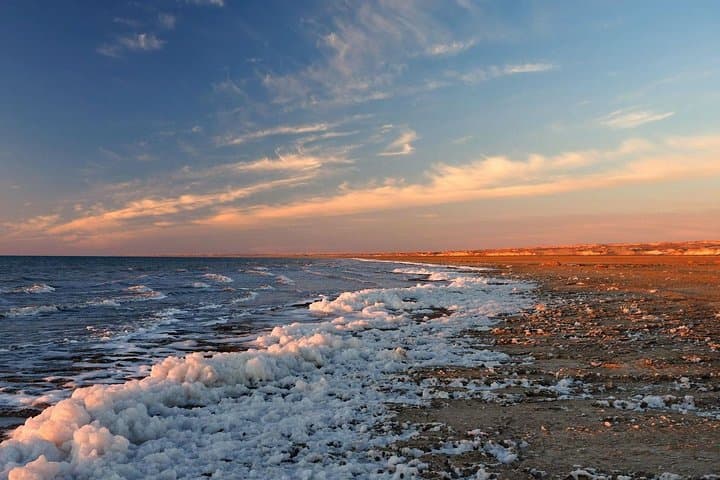
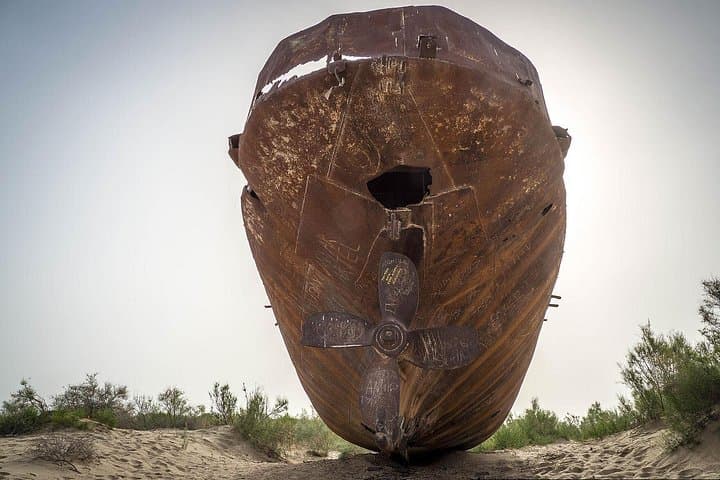
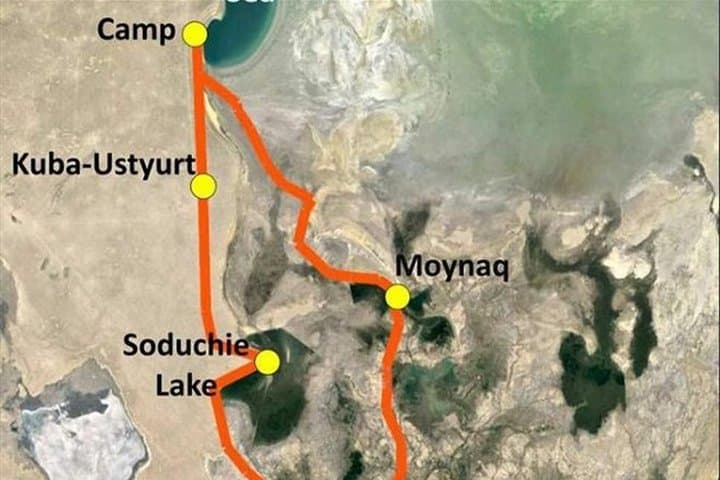
When the road thins and the steppe opens, the Aral Sea appears less as a body of water and more as a memory carved into salt and rust. The first day’s drive from Nukus unspools for seven hours across the Karakalpak plain; you arrive at a yurt camp where wind dents the horizon and former harbors lie high and dry — the so-called "Cemetery of Ships."
When the road thins and the steppe opens, the Aral Sea appears less as a body of water and more as a memory carved into salt and rust. The first day’s drive from Nukus unspools for seven hours across the Karakalpak plain; you arrive at a yurt camp where wind dents the horizon and former harbors lie high and dry — the so-called "Cemetery of Ships."
This trip threads geology, history and culture into two compact days. The Aral’s retreat is a modern geological event driven by 20th-century irrigation projects; rusting hulls and bleached seabeds trace that story. Along the way Mizdakhan and the Kurgancha caravanserai reveal older chapters: Silk Road arteries, prehistoric ritual sites and local Karakalpak traditions, including family-run lunches and camel herding villages. White Canyons nearby offer chalk cliffs and photo-ready overlooks where wind and water carved stark ridgelines.
Practically speaking: expect long off-road stretches in 4WD, basic yurt accommodation, communal meals, and short hikes around shoreline features. Nights are cold; days are sun-exposed. Bring layered clothing, sturdy footwear for uneven salt flats, and enough water for long transfers. Photography is compelling but be respectful around cultural sites and guided conservation messaging — this is both a landscape to witness and a lesson in human impact. The itinerary concludes back in Nukus on day two after stops at wetlands important for migratory birds, making this a physically moderate but emotionally heavy short expedition.