THE ADVENTURE COLLECTIVE® · Independent discovery and booking for outdoor travel

Walk into Kenya’s largest coastal forest and find endemic birds, rare mammals and a lookout over a bustling watering hole. This one-day guided trip packs rich wildlife viewing into 5–7 hours with practical logistics for first-time visitors.
Walk into Kenya’s largest coastal forest and find endemic birds, rare mammals and a lookout over a bustling watering hole. This one-day guided trip packs rich wildlife viewing into 5–7 hours with practical logistics for first-time visitors.
You step from the vehicle into a damp hush: sunlight threads through tall Cynometra and Brachystegia, and the forest seems to collect sound. Arabuko Sokoke’s trails press you close to rare birds and small mammals, and the scent of wet earth and resin follows your steps.
Verified experiences and guided adventures in the surrounding area.
Operated by Diani Travel and Tours · Malindi, Kilifi County
You step from the vehicle into a damp hush: sunlight threads through tall Cynometra and Brachystegia, and the forest seems to collect sound. Arabuko Sokoke’s trails press you close to rare birds and small mammals, and the scent of wet earth and resin follows your steps.
The reserve is the largest intact coastal forest in East Africa and sits on Pleistocene sands that shape its three distinct forest types. Human history here ties to Swahili coastal communities and colonial-era timber exploitation; conservation efforts in the last 50 years have focused on protecting endemic species rather than commercial use. Locals maintain a practical relationship with the forest—guides are often from nearby villages and carry traditional knowledge of medicinal plants and animal behavior.
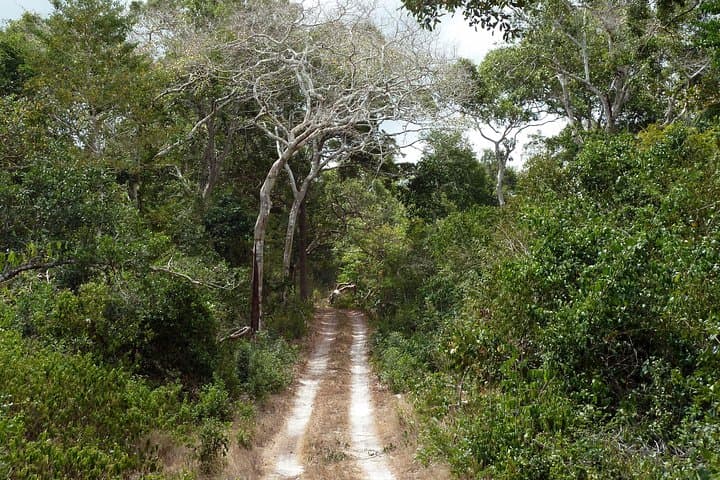
On a guided day trip you’ll walk uneven forest tracks, cross shallow stream beds, and climb to a lookout over a watering hole where elephants, duikers and monkeys come to drink. Expect 5–7 hours out: mostly flat to gently rolling terrain with limited elevation gain but dense understorey in places. Trails can be muddy after rain and bright in clear weather; binoculars and a patient pace pay dividends.
Practical notes: wear grippy hiking shoes, long sleeves and insect repellent, carry 1–2 liters of water and a layered wind/rain shell. Morning or late-afternoon departures increase wildlife sightings and reduce mid-day heat. Respect local rules—stay on trails, keep noise low, and let guides handle any wildlife encounters. The trip balances easy walking with high wildlife payoff, ideal for travelers wanting concentrated endemic-species viewing in a single coastal-forest day.
moderate.
5–7 hours.
Moderate fitness needed—able to walk several hours on uneven, sometimes muddy trails.
Typical itineraries run 5–7 hours door-to-door, including transport from nearby coastal hotels and a guided forest walk.
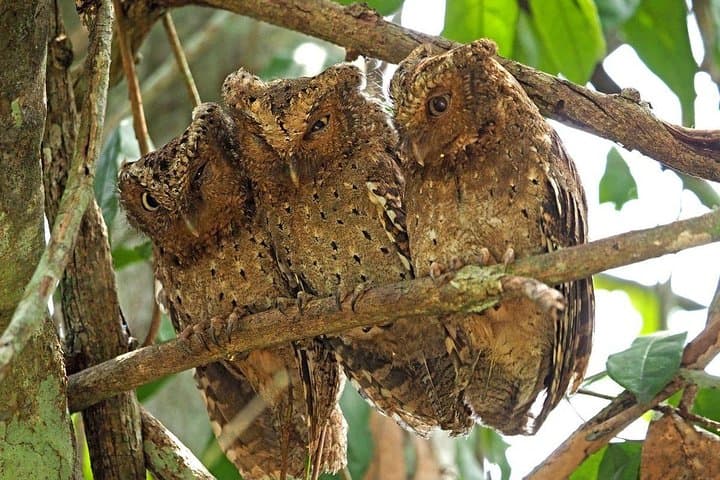
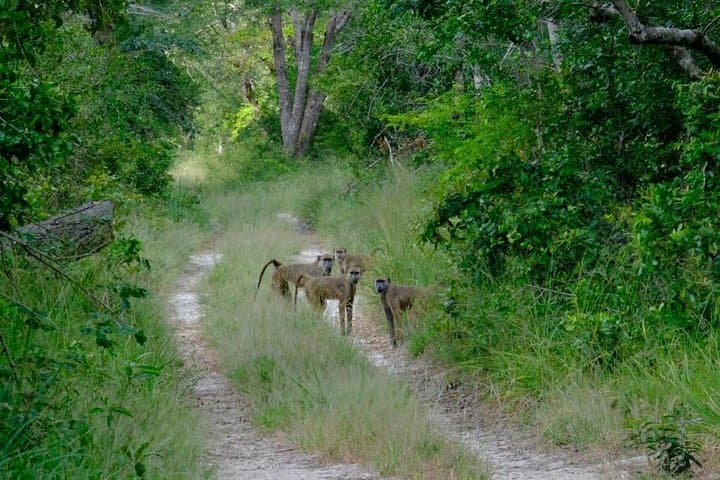
Common sightings include Sykes’ monkeys, yellow baboons, elephants at the watering hole, and many birds; rarer mammals like the Golden-rumped Elephant-shrew are possible but not guaranteed.
Trails are generally low-gradient but uneven; children and older travelers with moderate mobility can usually participate, but the tour isn’t recommended for people with serious spinal, heart, or pregnancy-related restrictions.
Guides and admission are included in standard tours; independent entry is possible but hiring a local guide is recommended for safety and better wildlife spotting.
The forest has been a refuge for endemic coastal species and is intertwined with the Swahili coast’s trading history; conservation intensified in the late 20th century to protect unique flora and fauna.
Strict trail use and community-based tourism help limit habitat damage; visitors should avoid single-use plastics and follow guide instructions to reduce disturbance.
Diani Travel and Tours operates guided outdoor trips and adventures with an emphasis on safety, stewardship, and memorable experiences.
You step from the vehicle into a damp hush: sunlight threads through tall Cynometra and Brachystegia, and the forest seems to collect sound. Arabuko Sokoke’s trails press you close to rare birds and small mammals, and the scent of wet earth and resin follows your steps.
You step from the vehicle into a damp hush: sunlight threads through tall Cynometra and Brachystegia, and the forest seems to collect sound. Arabuko Sokoke’s trails press you close to rare birds and small mammals, and the scent of wet earth and resin follows your steps.
The reserve is the largest intact coastal forest in East Africa and sits on Pleistocene sands that shape its three distinct forest types. Human history here ties to Swahili coastal communities and colonial-era timber exploitation; conservation efforts in the last 50 years have focused on protecting endemic species rather than commercial use. Locals maintain a practical relationship with the forest—guides are often from nearby villages and carry traditional knowledge of medicinal plants and animal behavior.
On a guided day trip you’ll walk uneven forest tracks, cross shallow stream beds, and climb to a lookout over a watering hole where elephants, duikers and monkeys come to drink. Expect 5–7 hours out: mostly flat to gently rolling terrain with limited elevation gain but dense understorey in places. Trails can be muddy after rain and bright in clear weather; binoculars and a patient pace pay dividends.
Practical notes: wear grippy hiking shoes, long sleeves and insect repellent, carry 1–2 liters of water and a layered wind/rain shell. Morning or late-afternoon departures increase wildlife sightings and reduce mid-day heat. Respect local rules—stay on trails, keep noise low, and let guides handle any wildlife encounters. The trip balances easy walking with high wildlife payoff, ideal for travelers wanting concentrated endemic-species viewing in a single coastal-forest day.