THE ADVENTURE COLLECTIVE® · Independent discovery and booking for outdoor travel

Step inside Aquaria Phuket beneath Central Floresta and follow a corridor of blue that leads through coastal mangroves, river habitats and an Andaman reef tunnel. This compact, family-friendly aquarium emphasizes close encounters, keeper talks and conservation insights—perfect for a rainy afternoon or a short, educational stop on a Phuket itinerary.
Step inside Aquaria Phuket beneath Central Floresta and follow a corridor of blue that leads through coastal mangroves, river habitats and an Andaman reef tunnel. This compact, family-friendly aquarium emphasizes close encounters, keeper talks and conservation insights—perfect for a rainy afternoon or a short, educational stop on a Phuket itinerary.
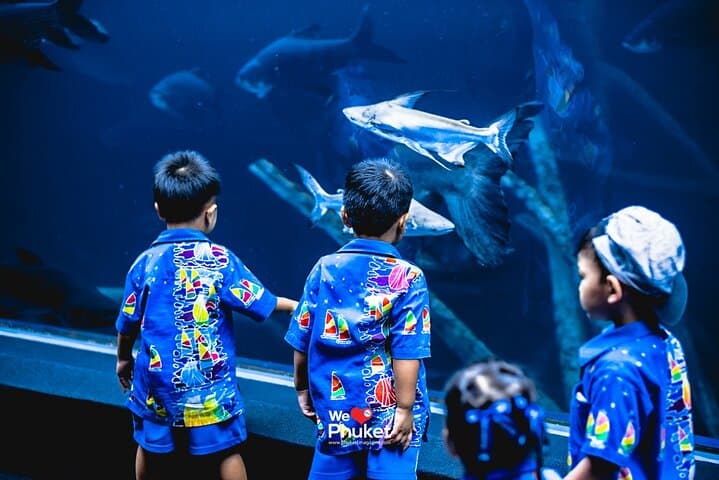
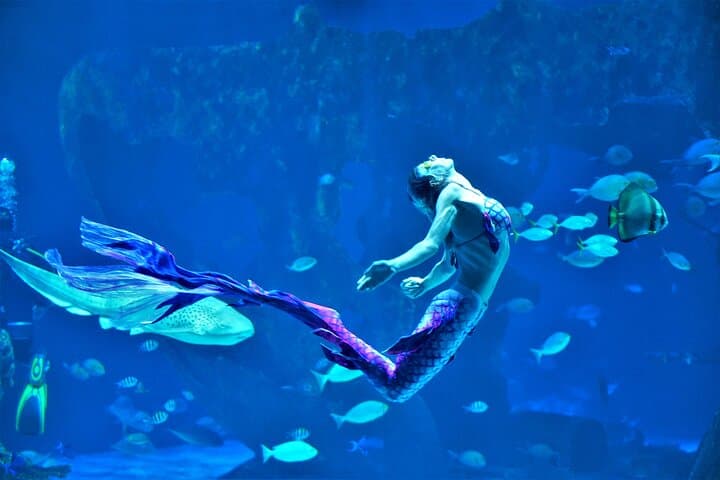
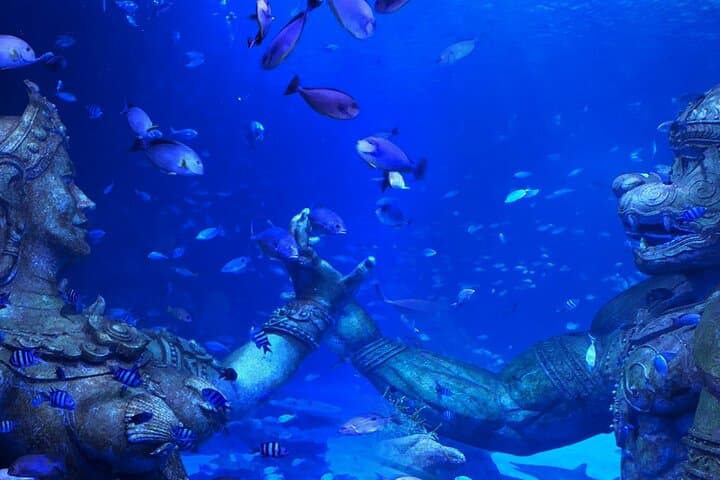
Walk from the air-conditioned mall corridor and the floor seems to fall away into blue light: a slow, controlled drop through four themed zones where rays wheel and little penguins hop like punctuation marks. Aquaria Phuket occupies a compact, purpose-built space beneath Central Phuket Floresta; it’s designed for close-up encounters rather than long ocean crossings, so exhibits are intimate, well-signposted and staged for families.
Verified experiences and guided adventures in the surrounding area.
Operated by YTS Holidays Co. Ltd · Phuket Town, Phuket Province
Walk from the air-conditioned mall corridor and the floor seems to fall away into blue light: a slow, controlled drop through four themed zones where rays wheel and little penguins hop like punctuation marks. Aquaria Phuket occupies a compact, purpose-built space beneath Central Phuket Floresta; it’s designed for close-up encounters rather than long ocean crossings, so exhibits are intimate, well-signposted and staged for families.
The aquarium opened to showcase regional marine ecosystems—coastal mangroves, river mouths and the Andaman Sea—bringing local species under one roof for education and display. Geologically the region is limestone and coral country; the tanks mirror reef gradients and the river tanks remind visitors that Phuket’s coastal life ties back to inland waters. Expect staff-led talks and scheduled feedings that mix conservation messaging with hands-on viewing through acrylic windows and a curved tunnel.
Culturally, Aquaria slots into Phuket’s tourism circuit as an accessible wildlife stop—popular on rainy days or as part of a family itinerary with the adjacent Trickeye Museum or Central Floresta dining.
Practical notes: allow 60–120 minutes to move through displays and catch a feeding or keeper chat. Book the underwater restaurant or special encounters in advance; combo tickets with Trickeye save time at the door. The facility is wheelchair- and stroller-accessible; wear comfortable shoes and bring a refillable bottle—the interior is cool and humid. Peak hours are mid-morning and late afternoon; aim for early mornings on weekdays if you want quieter viewing. Photography is allowed but avoid flash near sensitive species. If conservation matters to you, read the signage: the facility emphasizes local reef protection and captive-care best practices.
easy.
1–2 hours.
Suitable for all fitness levels; involves walking on flat, accessible paths
Most visitors spend 60–120 minutes; allow extra time if you have children or booked a dining or animal encounter.
Yes—the facility is wheelchair- and stroller-accessible with ramps, elevators and level pathways.
Yes—feeding sessions and keeper talks are scheduled throughout the day; check the on-site timetable or ask staff on arrival.
Combo tickets (e.g., the Trickeye Museum) are often available and save queue time; check options when booking.
Aquaria Phuket was developed as a modern interpretive aquarium to represent Andaman coastal ecosystems, bringing regional species into an educational urban setting beneath Central Phuket Floresta.
The site focuses on public education about reef and mangrove conservation and participates in captive-care best practices; visitors are encouraged to learn about local reef protection measures.
YTS Holidays Co. Ltd operates guided outdoor trips and adventures with an emphasis on safety, stewardship, and memorable experiences.

Walk from the air-conditioned mall corridor and the floor seems to fall away into blue light: a slow, controlled drop through four themed zones where rays wheel and little penguins hop like punctuation marks. Aquaria Phuket occupies a compact, purpose-built space beneath Central Phuket Floresta; it’s designed for close-up encounters rather than long ocean crossings, so exhibits are intimate, well-signposted and staged for families.
Walk from the air-conditioned mall corridor and the floor seems to fall away into blue light: a slow, controlled drop through four themed zones where rays wheel and little penguins hop like punctuation marks. Aquaria Phuket occupies a compact, purpose-built space beneath Central Phuket Floresta; it’s designed for close-up encounters rather than long ocean crossings, so exhibits are intimate, well-signposted and staged for families.
The aquarium opened to showcase regional marine ecosystems—coastal mangroves, river mouths and the Andaman Sea—bringing local species under one roof for education and display. Geologically the region is limestone and coral country; the tanks mirror reef gradients and the river tanks remind visitors that Phuket’s coastal life ties back to inland waters. Expect staff-led talks and scheduled feedings that mix conservation messaging with hands-on viewing through acrylic windows and a curved tunnel.
Culturally, Aquaria slots into Phuket’s tourism circuit as an accessible wildlife stop—popular on rainy days or as part of a family itinerary with the adjacent Trickeye Museum or Central Floresta dining.
Practical notes: allow 60–120 minutes to move through displays and catch a feeding or keeper chat. Book the underwater restaurant or special encounters in advance; combo tickets with Trickeye save time at the door. The facility is wheelchair- and stroller-accessible; wear comfortable shoes and bring a refillable bottle—the interior is cool and humid. Peak hours are mid-morning and late afternoon; aim for early mornings on weekdays if you want quieter viewing. Photography is allowed but avoid flash near sensitive species. If conservation matters to you, read the signage: the facility emphasizes local reef protection and captive-care best practices.