THE ADVENTURE COLLECTIVE® · Independent discovery and booking for outdoor travel

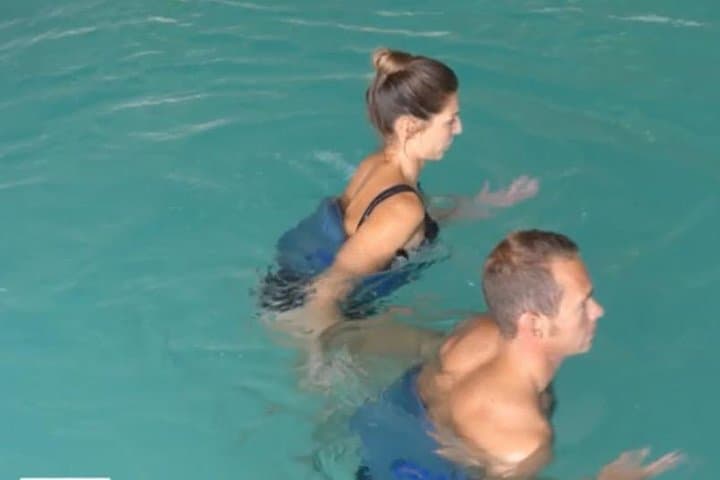
Trade pavement for the Atlantic’s resistance: a one‑hour aquajogging class uses a floating belt to reproduce running in deep water. It’s low‑impact, adaptable to all fitness levels, and framed by Brittany’s tidal coast.
Trade pavement for the Atlantic’s resistance: a one‑hour aquajogging class uses a floating belt to reproduce running in deep water. It’s low‑impact, adaptable to all fitness levels, and framed by Brittany’s tidal coast.
A cold wind slices across the channel and salt tastes faint on your lips as you clip the floating belt around your waist and step into thigh‑deep, then shoulder‑deep water. The sea here takes the rhythm of land running and turns it slow and sculpted: each stride meets a willing resistance, each arm sweep parts the grey-blue that pushes back like a patient trainer. Gulls call; currents nudge, testing balance and focus.
Verified experiences and guided adventures in the surrounding area.
Operated by Nautisurf St-Malo sauvetage et secourisme · Rennes, Brittany
A cold wind slices across the channel and salt tastes faint on your lips as you clip the floating belt around your waist and step into thigh‑deep, then shoulder‑deep water. The sea here takes the rhythm of land running and turns it slow and sculpted: each stride meets a willing resistance, each arm sweep parts the grey-blue that pushes back like a patient trainer. Gulls call; currents nudge, testing balance and focus.
Brittany’s north coast has been shaped by tides and granite for millennia—fishing hamlets, oyster beds and tidal channels that demand respect. Aquajogging borrows from that marine craft: simple motion, consistent effort, and an understanding of how the tide moves your workout. The session recreates running mechanics without impact on joints, ideal for rehabilitation, cross‑training, or a gentle return to fitness.
Expect a one‑hour guided class in deep water with a floating belt supplied. Instructors cue cadence, posture and interval sets; pace is adjustable for beginners and conditioned athletes alike. Watch for tidal changes and wind chop—organizers plan locations with safety in mind but personal comfort varies with water temperature.
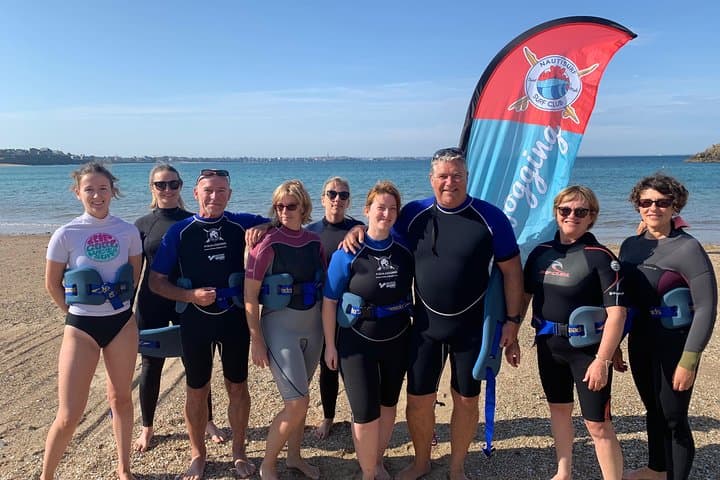
Practical guidance: wear a wetsuit in cool months, secure water shoes for rocky entry, and bring a warm layer for after the session. Hydrate before you enter and leave electronics ashore. Sessions are small-group and accessible to non‑swimmers who are comfortable in deep water with buoyancy. Aquajogging at sea is straightforward training that leverages the ocean’s resistance—low impact, high return, and unmistakably marine in its mood.
easy.
60 minutes.
Suitable for all fitness levels; ideal for those rehabbing joints, cross‑training runners, or beginners comfortable in deep water
No—participants must be comfortable in deep water; the floating belt supports buoyancy so you don’t need to touch the seabed.
Temperatures vary seasonally: generally coolest in winter, mildest in late summer; organizers recommend wetsuits outside peak summer months.
Yes—aquajogging is low‑impact and commonly used for joint rehab and to maintain cardio fitness while minimizing load on knees and hips.
Operators monitor conditions and will cancel or relocate sessions if winds, currents or storms create unsafe conditions; check the 24‑hour cancellation policy.
Brittany’s coast has a long maritime history—fishing, shipbuilding and oyster farming shaped coastal villages and working harbors for centuries.
Intertidal zones are sensitive—use reef‑safe sunscreen, avoid trampling exposed beds, and follow guidance to minimize disturbance to wildlife.
Nautisurf St-Malo sauvetage et secourisme operates guided outdoor trips and adventures with an emphasis on safety, stewardship, and memorable experiences.
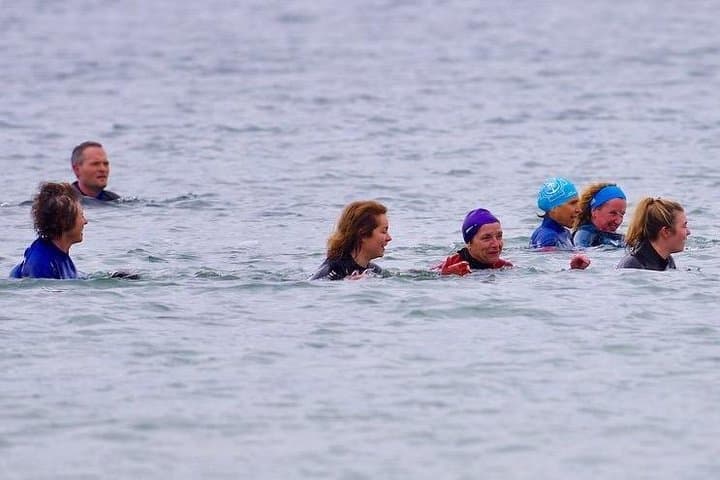
A cold wind slices across the channel and salt tastes faint on your lips as you clip the floating belt around your waist and step into thigh‑deep, then shoulder‑deep water. The sea here takes the rhythm of land running and turns it slow and sculpted: each stride meets a willing resistance, each arm sweep parts the grey-blue that pushes back like a patient trainer. Gulls call; currents nudge, testing balance and focus.
A cold wind slices across the channel and salt tastes faint on your lips as you clip the floating belt around your waist and step into thigh‑deep, then shoulder‑deep water. The sea here takes the rhythm of land running and turns it slow and sculpted: each stride meets a willing resistance, each arm sweep parts the grey-blue that pushes back like a patient trainer. Gulls call; currents nudge, testing balance and focus.
Brittany’s north coast has been shaped by tides and granite for millennia—fishing hamlets, oyster beds and tidal channels that demand respect. Aquajogging borrows from that marine craft: simple motion, consistent effort, and an understanding of how the tide moves your workout. The session recreates running mechanics without impact on joints, ideal for rehabilitation, cross‑training, or a gentle return to fitness.
Expect a one‑hour guided class in deep water with a floating belt supplied. Instructors cue cadence, posture and interval sets; pace is adjustable for beginners and conditioned athletes alike. Watch for tidal changes and wind chop—organizers plan locations with safety in mind but personal comfort varies with water temperature.
Practical guidance: wear a wetsuit in cool months, secure water shoes for rocky entry, and bring a warm layer for after the session. Hydrate before you enter and leave electronics ashore. Sessions are small-group and accessible to non‑swimmers who are comfortable in deep water with buoyancy. Aquajogging at sea is straightforward training that leverages the ocean’s resistance—low impact, high return, and unmistakably marine in its mood.