THE ADVENTURE COLLECTIVE® · Independent discovery and booking for outdoor travel

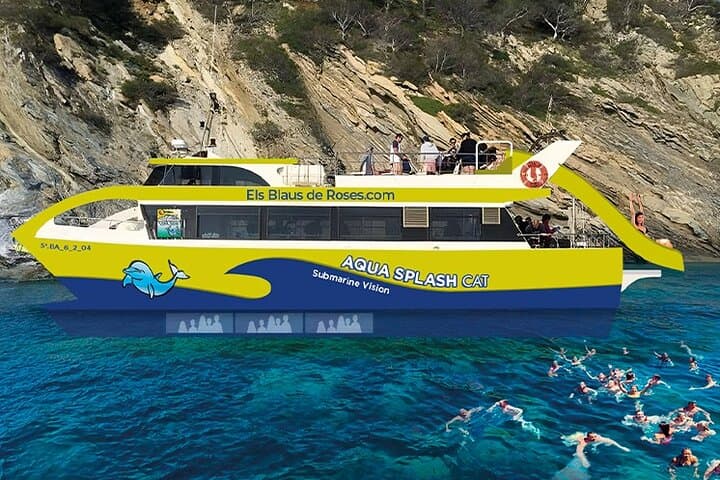
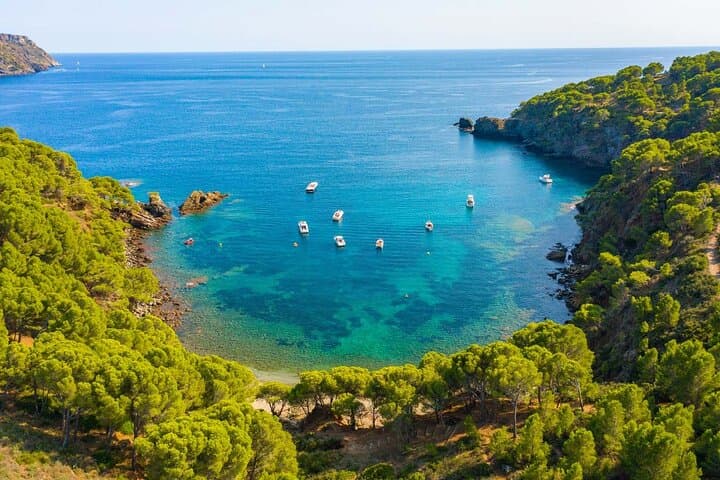
Launch off a mega water slide into the crystal water of Almadrava Cove and spend an hour swimming under Cap de Creus’ wind-sculpted cliffs. This 90‑minute excursion blends a fast adrenaline rush with relaxed cove swimming and seaside views.
Launch off a mega water slide into the crystal water of Almadrava Cove and spend an hour swimming under Cap de Creus’ wind-sculpted cliffs. This 90‑minute excursion blends a fast adrenaline rush with relaxed cove swimming and seaside views.
You push off from a low-tide swell and the boat hums toward a rocky notch where wind and waves have cut a private doorway into the Costa Brava. From the platform the mega slide angles like a dare — a short, fast ribbon that spits you into turquoise water below. The sea seems to welcome and test you at once, the current nudging swimmers toward the cove’s hidden sand pocket.
Verified experiences and guided adventures in the surrounding area.
Operated by Els Blaus de Roses · Cadaqués, Catalonia
You push off from a low-tide swell and the boat hums toward a rocky notch where wind and waves have cut a private doorway into the Costa Brava. From the platform the mega slide angles like a dare — a short, fast ribbon that spits you into turquoise water below. The sea seems to welcome and test you at once, the current nudging swimmers toward the cove’s hidden sand pocket.
This stretch of coastline belongs to Cap de Creus Natural Park, a raw, wind-swept place shaped by ancient marine erosion and hard schist and granite outcrops. Fishing villages like Cadaqués and Roses have long read the sea for work and shelter; artists such as Salvador Dalí drew inspiration from the region’s stark promontories and light. The mix of cultural history and geology shows in every cove: cliffs scarred by time, terraces once used for salt and small-scale fishing, and maritime paths that sailors still follow.
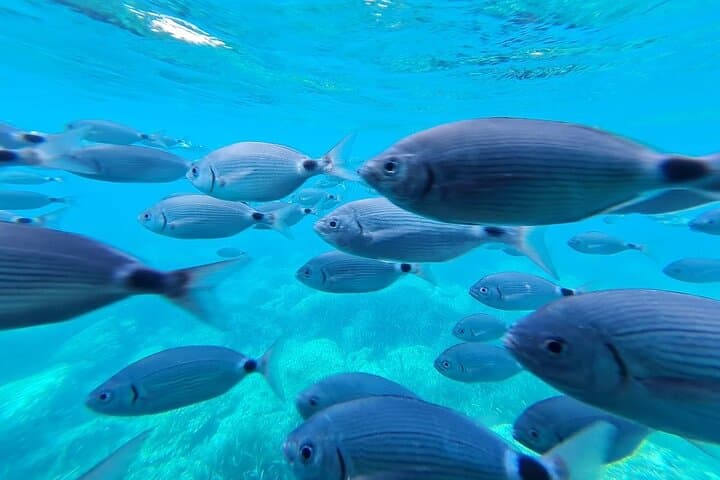
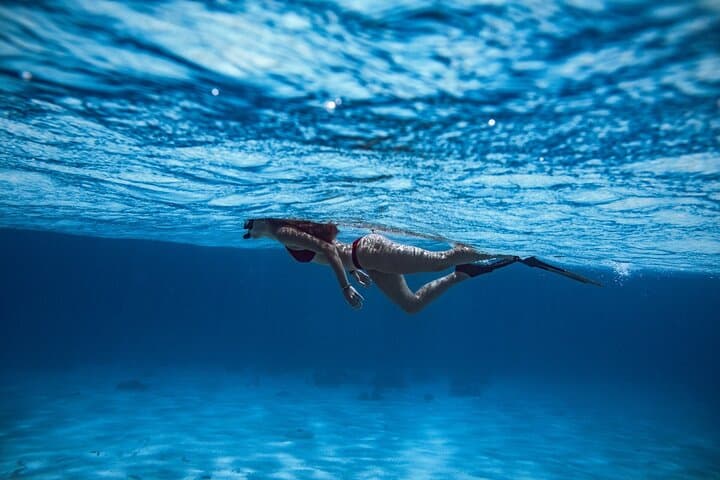
Practically: the trip runs about 90 minutes and combines a high-adrenaline slide with 60 minutes of swimming and snorkeling in Almadrava Cove. Expect a short boat transfer, life jackets supplied, and a sunset cocktail on some departures. Bring water shoes, reef-safe sunscreen, and a small dry bag for your phone. The Tramontana wind can whip up quickly — check conditions and time your visit for calmer mornings or late afternoons. Respect marine zones, avoid standing on seagrass, and treat the cove as a temporary guest. The experience is short, bright and very coastal: fast thrill, clear water, and a clear reminder that these craggy shores demand both curiosity and care.
easy.
1.5 hours.
Basic swimming ability and the confidence to enter/exit a small boat are required; generally suitable for most active travelers.
Children can usually participate but must meet the operator’s age/height rules and wear a life jacket; always check specific restrictions when booking.
Most departures are from boats near Cadaqués or Roses; public transport reaches nearby towns, and local operators will list the precise marina or pier meeting point.
Life jackets are typically supplied; snorkeling gear availability varies—confirm with the operator if you need masks or fins.
Trips are subject to cancellation in rough seas or strong Tramontana winds; operators usually refund or reschedule if conditions are unsafe.
The Cap de Creus coast has been a fishing and maritime route for centuries and drew artists like Salvador Dalí who were captivated by its light and rugged promontories.
Parts of the coastline are within a marine protected area; avoid anchoring in seagrass beds, pack out all waste, and use reef-safe products to minimize impact.
Els Blaus de Roses operates guided outdoor trips and adventures with an emphasis on safety, stewardship, and memorable experiences.
You push off from a low-tide swell and the boat hums toward a rocky notch where wind and waves have cut a private doorway into the Costa Brava. From the platform the mega slide angles like a dare — a short, fast ribbon that spits you into turquoise water below. The sea seems to welcome and test you at once, the current nudging swimmers toward the cove’s hidden sand pocket.
You push off from a low-tide swell and the boat hums toward a rocky notch where wind and waves have cut a private doorway into the Costa Brava. From the platform the mega slide angles like a dare — a short, fast ribbon that spits you into turquoise water below. The sea seems to welcome and test you at once, the current nudging swimmers toward the cove’s hidden sand pocket.
This stretch of coastline belongs to Cap de Creus Natural Park, a raw, wind-swept place shaped by ancient marine erosion and hard schist and granite outcrops. Fishing villages like Cadaqués and Roses have long read the sea for work and shelter; artists such as Salvador Dalí drew inspiration from the region’s stark promontories and light. The mix of cultural history and geology shows in every cove: cliffs scarred by time, terraces once used for salt and small-scale fishing, and maritime paths that sailors still follow.
Practically: the trip runs about 90 minutes and combines a high-adrenaline slide with 60 minutes of swimming and snorkeling in Almadrava Cove. Expect a short boat transfer, life jackets supplied, and a sunset cocktail on some departures. Bring water shoes, reef-safe sunscreen, and a small dry bag for your phone. The Tramontana wind can whip up quickly — check conditions and time your visit for calmer mornings or late afternoons. Respect marine zones, avoid standing on seagrass, and treat the cove as a temporary guest. The experience is short, bright and very coastal: fast thrill, clear water, and a clear reminder that these craggy shores demand both curiosity and care.