THE ADVENTURE COLLECTIVE® · Independent discovery and booking for outdoor travel

Walk Aqaba’s Corniche, browse the Old Souk and taste local pastries on a 2.5-hour guided tour that pairs seaside views with history and culture. Learn port lore, visit Aqaba Fort and sample Jordanian flavors along the way.
Walk Aqaba’s Corniche, browse the Old Souk and taste local pastries on a 2.5-hour guided tour that pairs seaside views with history and culture. Learn port lore, visit Aqaba Fort and sample Jordanian flavors along the way.
The Red Sea skirts the city like an old friend daring you to slow down and look. You start on the Corniche where salt-slick air and the distant buzz of boats set a steady rhythm; the guide gathers the small group, and the walk unspools through sea-swept promenades, a Mamluk fort, and the spice-scented alleys of the Old Souk.
Verified experiences and guided adventures in the surrounding area.
Operated by Suhaila Cooking Class & Walking Tour in Aqaba · Aqaba, Aqaba Governorate
The Red Sea skirts the city like an old friend daring you to slow down and look. You start on the Corniche where salt-slick air and the distant buzz of boats set a steady rhythm; the guide gathers the small group, and the walk unspools through sea-swept promenades, a Mamluk fort, and the spice-scented alleys of the Old Souk.
Aqaba has been a trading gate for millennia — a Nabatean stop, a Crusader waypoint and the site of the 1917 Battle of Aqaba that reshaped the modern Levant. Geologically it sits on the Red Sea rift: the coastline drops quickly into coral gardens, while the desert frames the city with low, wind-shaped ridges. Local culture is direct and hospitable; conversation moves easily from family-run bakeries to the history carved into the fort’s stone.
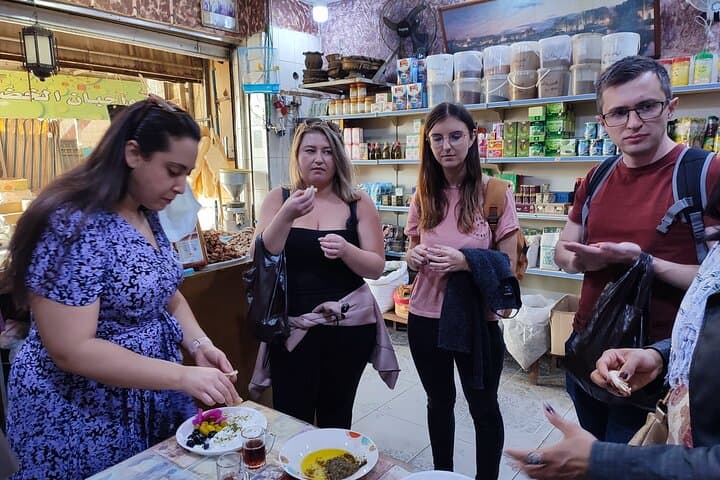
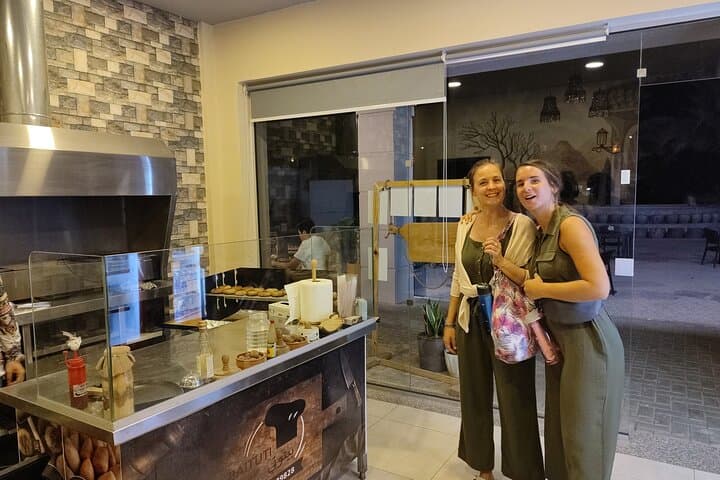
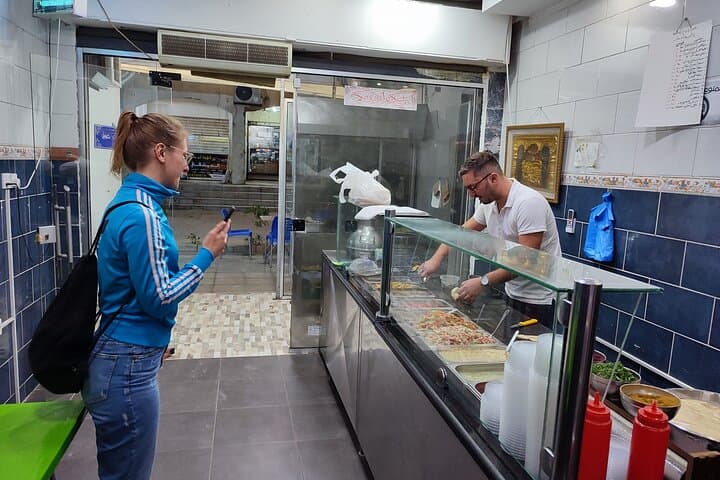
On this 2.5-hour walking tour expect 2–3 km of mostly flat pavement and compacted sand, frequent photo stops and multiple tasting bites — freshly baked pastries, spice-sampled teas and the city’s simple fried snacks. Practicalities: dress modestly for respect in public spaces, carry small-denomination Jordanian dinars for market purchases, and bring sunscreen and water; narrow alleys can be warm in midday.
Timing matters — mornings and late afternoons offer cooler light and quieter souks. The tour is family-friendly and accessible to most walkers, but wear closed shoes for uneven patches around the fort. Leave space in your itinerary to return to a spice stall or bakery you liked — Aqaba’s flavors are worth the second visit.
easy.
2–3 hours.
Suitable for most fitness levels; participants should be able to walk 2–3 km on flat to mildly uneven ground.
The tour runs about 150 minutes (roughly 2.5 hours) and covers 2–3 km with multiple stops for history and tastings.
The experience includes several small tastings like pastries, tea or coffee, and local snacks as described in the itinerary.
Yes — the route is mostly flat and family-friendly, but some uneven surfaces near the fort may be challenging for limited-mobility guests; contact the operator for accommodations.
Meet on the Aqaba Corniche near a designated landmark; the tour is limited to small groups (up to six travelers) for a personalized experience.
Aqaba’s location on trade routes made it strategically significant from the Nabatean era through Ottoman and modern times; its 1917 capture in WWI was pivotal in the Arab Revolt.
The Red Sea’s coral reefs are delicate — avoid touching corals and choose operators that follow reef-friendly practices; reduce single-use plastics while visiting.
Suhaila Cooking Class & Walking Tour in Aqaba operates guided outdoor trips and adventures with an emphasis on safety, stewardship, and memorable experiences.
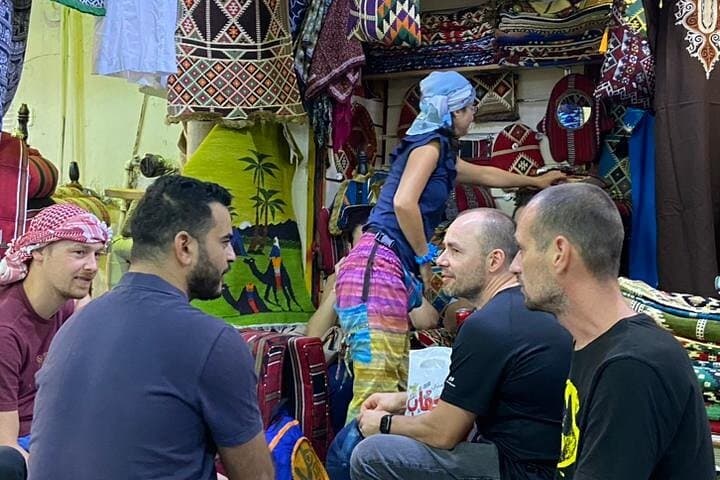
The Red Sea skirts the city like an old friend daring you to slow down and look. You start on the Corniche where salt-slick air and the distant buzz of boats set a steady rhythm; the guide gathers the small group, and the walk unspools through sea-swept promenades, a Mamluk fort, and the spice-scented alleys of the Old Souk.
The Red Sea skirts the city like an old friend daring you to slow down and look. You start on the Corniche where salt-slick air and the distant buzz of boats set a steady rhythm; the guide gathers the small group, and the walk unspools through sea-swept promenades, a Mamluk fort, and the spice-scented alleys of the Old Souk.
Aqaba has been a trading gate for millennia — a Nabatean stop, a Crusader waypoint and the site of the 1917 Battle of Aqaba that reshaped the modern Levant. Geologically it sits on the Red Sea rift: the coastline drops quickly into coral gardens, while the desert frames the city with low, wind-shaped ridges. Local culture is direct and hospitable; conversation moves easily from family-run bakeries to the history carved into the fort’s stone.
On this 2.5-hour walking tour expect 2–3 km of mostly flat pavement and compacted sand, frequent photo stops and multiple tasting bites — freshly baked pastries, spice-sampled teas and the city’s simple fried snacks. Practicalities: dress modestly for respect in public spaces, carry small-denomination Jordanian dinars for market purchases, and bring sunscreen and water; narrow alleys can be warm in midday.
Timing matters — mornings and late afternoons offer cooler light and quieter souks. The tour is family-friendly and accessible to most walkers, but wear closed shoes for uneven patches around the fort. Leave space in your itinerary to return to a spice stall or bakery you liked — Aqaba’s flavors are worth the second visit.