THE ADVENTURE COLLECTIVE® · Independent discovery and booking for outdoor travel

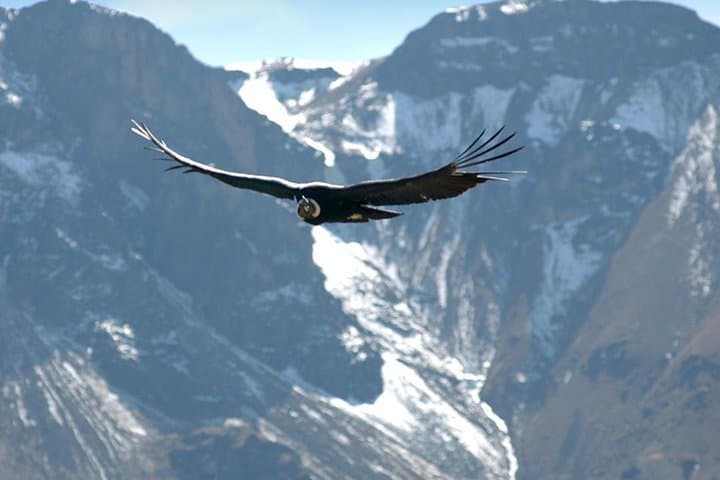
Witness Andean condors riding canyon thermals on a full-day trip from Cusco. This guided outing to Chonta offers a short high-altitude hike, cultural contact with local communities, and a powerful vantage over the Apurímac Gorge.
Witness Andean condors riding canyon thermals on a full-day trip from Cusco. This guided outing to Chonta offers a short high-altitude hike, cultural contact with local communities, and a powerful vantage over the Apurímac Gorge.
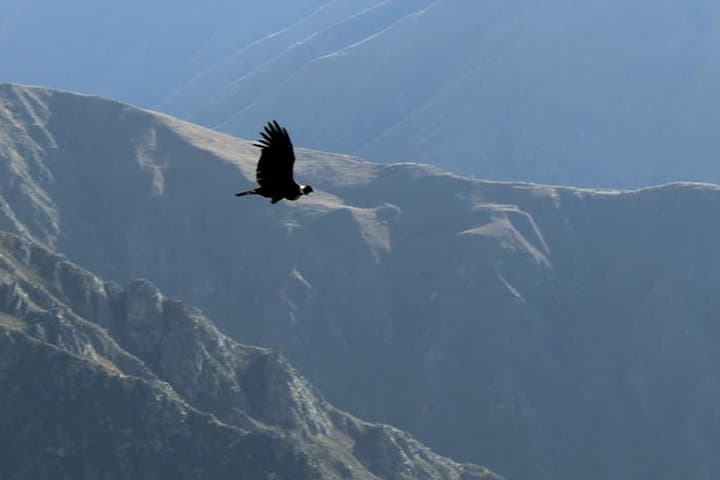
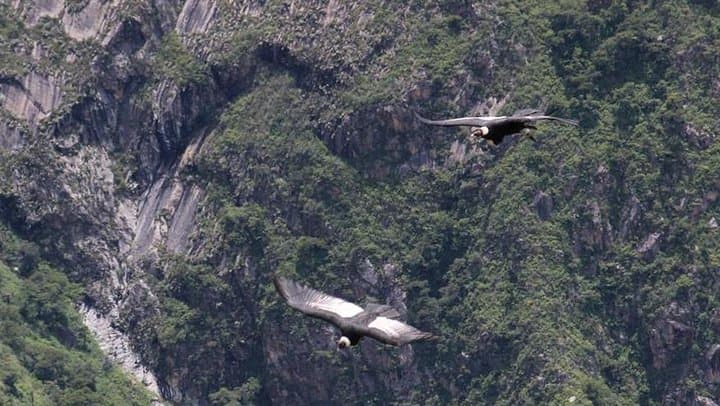
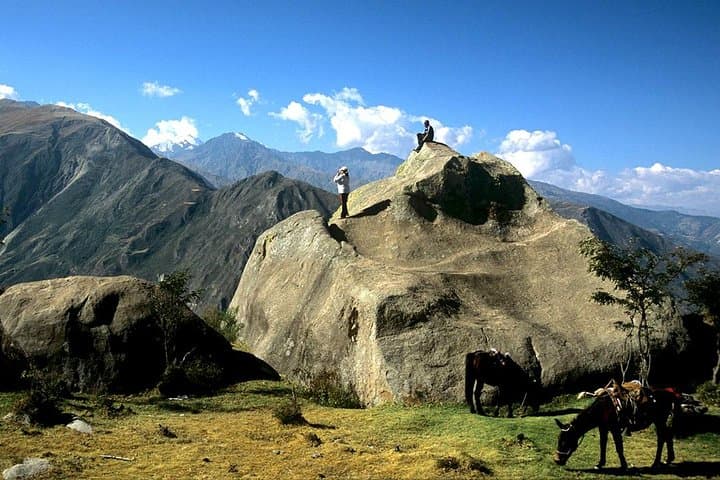
A thin, cold light slices over Andean ridgelines as the minibus drops you at Chonta. You step out into high, bracing air and a canyon that immediately demands attention: vertical walls of exposed rock and terraces, the Apurímac river threading far below. Silence matters here—condors ride thermals and will vanish at the slightest clatter—so the group moves in low voices toward a narrow vantage where the wind makes its presence felt.
Verified experiences and guided adventures in the surrounding area.
Operated by CrossoverPeru Tours · Cusco, Cusco Region
A thin, cold light slices over Andean ridgelines as the minibus drops you at Chonta. You step out into high, bracing air and a canyon that immediately demands attention: vertical walls of exposed rock and terraces, the Apurímac river threading far below. Silence matters here—condors ride thermals and will vanish at the slightest clatter—so the group moves in low voices toward a narrow vantage where the wind makes its presence felt.
The viewpoint sits on sedimentary and volcanic rock carved by the Apurímac River over millions of years; the gorge is one of Peru's deepest. The area has long been part of Andean lifeways—small farming communities like Chonta keep traditional herding and Quechua customs alive, and the condor holds cultural significance as a messenger between earth and sky.
Expect a short, deliberate hike from the village: roughly 1–2 km with 100–250 m of elevation change on uneven dirt and rocky tracks, at roughly 3,500–3,900 m altitude depending on the exact viewpoint. Bring layers for wind and sun, and binoculars or a zoom lens for photography—the birds often glide 50–200 m above the rim. A box lunch is usually provided; plan for an early pickup from Cusco and a late afternoon return.
Practical notes: stay silent and follow the guide's positioning to avoid disturbing nesting or feeding patterns, hydrate well to mitigate altitude effects, and conserve the landscape by packing out all trash. With patience the condors appear—slow-winged, deliberate, and undeniably commanding—turning a full-day outing into a rare wildlife encounter.
easy.
8–10 hours.
Suitable for travelers in average physical condition; short, steady walks at altitude mean basic cardiovascular fitness helps
The walk from Chonta to the lookout is typically 1–2 km with modest elevation change and takes about 20–40 minutes at a steady pace.
Early morning is best when thermals start forming and condors take advantage of rising air; guides schedule departures accordingly.
Yes—operators describe it as suitable for all fitness levels, but be mindful of altitude; older travelers and children should move slowly and monitor for symptoms.
Sightings are frequent but not guaranteed; patience, quiet, and favorable weather increase the likelihood of seeing the birds.
The Apurímac Gorge has long been a geographical barrier and cultural corridor for Andean peoples; the condor features prominently in Quechua cosmology as a bridge between worlds.
Visitors should avoid loud noises and stay on trails to protect nesting and feeding zones; pack out all trash to minimize human impact on fragile high-altitude ecosystems.
CrossoverPeru Tours operates guided outdoor trips and adventures with an emphasis on safety, stewardship, and memorable experiences.
A thin, cold light slices over Andean ridgelines as the minibus drops you at Chonta. You step out into high, bracing air and a canyon that immediately demands attention: vertical walls of exposed rock and terraces, the Apurímac river threading far below. Silence matters here—condors ride thermals and will vanish at the slightest clatter—so the group moves in low voices toward a narrow vantage where the wind makes its presence felt.
A thin, cold light slices over Andean ridgelines as the minibus drops you at Chonta. You step out into high, bracing air and a canyon that immediately demands attention: vertical walls of exposed rock and terraces, the Apurímac river threading far below. Silence matters here—condors ride thermals and will vanish at the slightest clatter—so the group moves in low voices toward a narrow vantage where the wind makes its presence felt.
The viewpoint sits on sedimentary and volcanic rock carved by the Apurímac River over millions of years; the gorge is one of Peru's deepest. The area has long been part of Andean lifeways—small farming communities like Chonta keep traditional herding and Quechua customs alive, and the condor holds cultural significance as a messenger between earth and sky.
Expect a short, deliberate hike from the village: roughly 1–2 km with 100–250 m of elevation change on uneven dirt and rocky tracks, at roughly 3,500–3,900 m altitude depending on the exact viewpoint. Bring layers for wind and sun, and binoculars or a zoom lens for photography—the birds often glide 50–200 m above the rim. A box lunch is usually provided; plan for an early pickup from Cusco and a late afternoon return.
Practical notes: stay silent and follow the guide's positioning to avoid disturbing nesting or feeding patterns, hydrate well to mitigate altitude effects, and conserve the landscape by packing out all trash. With patience the condors appear—slow-winged, deliberate, and undeniably commanding—turning a full-day outing into a rare wildlife encounter.