THE ADVENTURE COLLECTIVE® · Independent discovery and booking for outdoor travel

Take a relaxed golf-cart ride along the Appian Way and finish with one of three historically inspired Roman tasting menus. This intimate 3.5-hour tour combines stories of emperors and pilgrims with authentic ancient recipes.
Take a relaxed golf-cart ride along the Appian Way and finish with one of three historically inspired Roman tasting menus. This intimate 3.5-hour tour combines stories of emperors and pilgrims with authentic ancient recipes.
You roll away from the city center and the noise thins to the soft rumble of wheels over ancient stone.
Verified experiences and guided adventures in the surrounding area.
Operated by Rome in golf cart · Rome, Lazio
You roll away from the city center and the noise thins to the soft rumble of wheels over ancient stone.
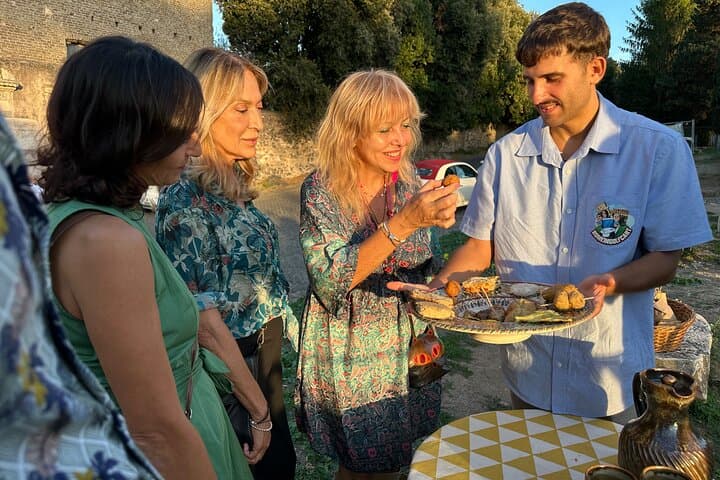
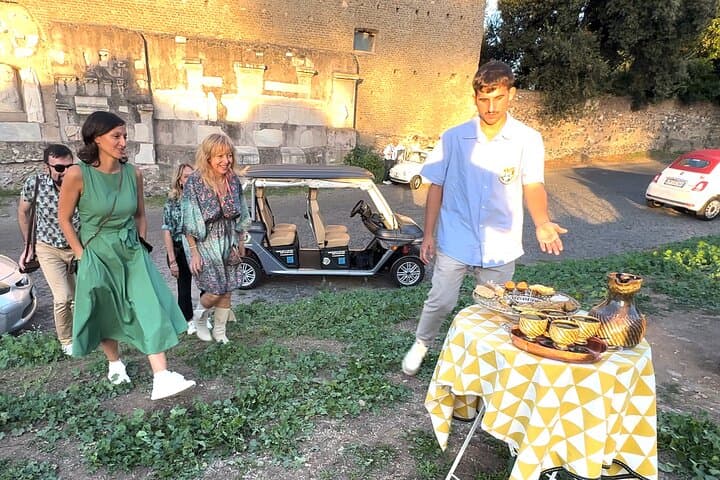
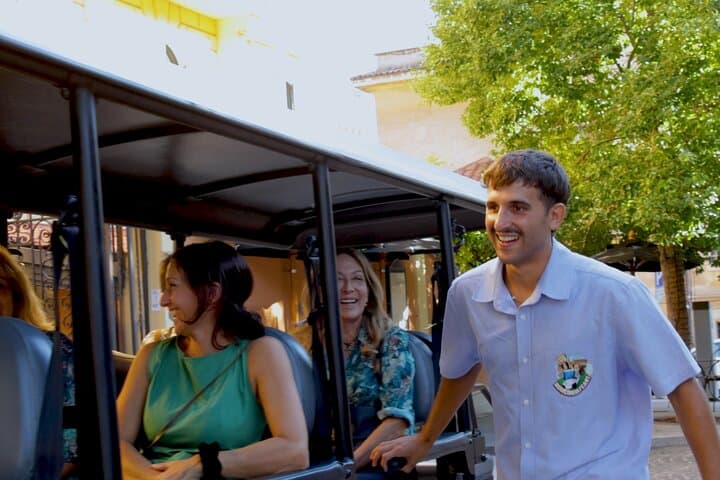
The golf cart follows the Appian Way’s broad ribbon of basalt and patched pavement, passing crumbling tombs, low villas, and the hulking silhouette of the Aurelian Walls. Citrus trees shade brief pauses; your guide threads stories of emperors, soldiers, and pilgrims into the rhythm of the road. At a quiet stretch you taste a version of mulsum—the spiced wine Rome favored—and the past presses close enough to touch.
Built in 312 BCE by Appius Claudius Caecus, the Appian Way was Rome’s main artery to the south. Catacombs and funerary monuments punctuate the landscape; Baths of Caracalla and the Palatine rise as reminders of imperial scale. The culinary component uses historical menus—Gladiator, Plebeian, Senatorial—to illustrate diet and class. Expect simple barley and legumes for the gladiator fare, humble porridges and preserved fish for plebeian options, and richer meats, seafood, and honeyed fruits for the senatorial selection. Apicius-era flavors and techniques inform the tasting.
Practicalities: the experience runs about 3.5 hours with hotel pickup available for central Rome and is wheelchair accessible. Book your menu in advance and note dietary restrictions when reserving. Early morning or late afternoon departures avoid the midday heat and make for better photos. Bring a light layer and sun protection; most of the time you’ll be seated, but short walks and photo stops are part of the route. This is an accessible, historic way to taste Rome while riding along one of the world’s oldest paved roads.
easy.
3–4 hours.
Minimal fitness required; mostly seated with brief, easy photo stops and short walks.
The tour lasts about 210 minutes (approximately 3.5 hours), including photo stops and the tasting experience.
Yes—note any allergies or preferences when booking and the operator will adapt the ancient menus where possible.
Yes; the tour and golf cart are listed as wheelchair accessible, and pickup/drop-off is available for centrally located hotels.
Comfortable casual clothing and sturdy shoes for short walks; bring sun protection in summer and a light layer for cooler periods.
Via Appia (Appian Way) was begun in 312 BCE to connect Rome with southern Italy and became a principal route for trade, armies, and funerary monuments.
The Appian Way sits within a protected regional park; visitors are asked to stay on designated paths and avoid disturbing archaeological sites to preserve both ruins and habitats.
Rome in golf cart operates guided outdoor trips and adventures with an emphasis on safety, stewardship, and memorable experiences.

You roll away from the city center and the noise thins to the soft rumble of wheels over ancient stone.
You roll away from the city center and the noise thins to the soft rumble of wheels over ancient stone.
The golf cart follows the Appian Way’s broad ribbon of basalt and patched pavement, passing crumbling tombs, low villas, and the hulking silhouette of the Aurelian Walls. Citrus trees shade brief pauses; your guide threads stories of emperors, soldiers, and pilgrims into the rhythm of the road. At a quiet stretch you taste a version of mulsum—the spiced wine Rome favored—and the past presses close enough to touch.
Built in 312 BCE by Appius Claudius Caecus, the Appian Way was Rome’s main artery to the south. Catacombs and funerary monuments punctuate the landscape; Baths of Caracalla and the Palatine rise as reminders of imperial scale. The culinary component uses historical menus—Gladiator, Plebeian, Senatorial—to illustrate diet and class. Expect simple barley and legumes for the gladiator fare, humble porridges and preserved fish for plebeian options, and richer meats, seafood, and honeyed fruits for the senatorial selection. Apicius-era flavors and techniques inform the tasting.
Practicalities: the experience runs about 3.5 hours with hotel pickup available for central Rome and is wheelchair accessible. Book your menu in advance and note dietary restrictions when reserving. Early morning or late afternoon departures avoid the midday heat and make for better photos. Bring a light layer and sun protection; most of the time you’ll be seated, but short walks and photo stops are part of the route. This is an accessible, historic way to taste Rome while riding along one of the world’s oldest paved roads.