THE ADVENTURE COLLECTIVE® · Independent discovery and booking for outdoor travel

Lie above a live hive, suit up for hands-on beekeeping, and taste raw Serbian honey in a hidden garden behind Belgrade’s Silos Cultural Center. This two-hour apitherapy and urban-beekeeping experience blends practical skills with sensory discovery.
Lie above a live hive, suit up for hands-on beekeeping, and taste raw Serbian honey in a hidden garden behind Belgrade’s Silos Cultural Center. This two-hour apitherapy and urban-beekeeping experience blends practical skills with sensory discovery.
You step through a low iron gate and the city noise softens—only the faint hum of wings and a warm, resinous scent. The Honey Garden sits in the quiet courtyard behind Belgrade’s Silos Cultural Center, a small urban apiary where hundreds of thousands of bees set a steady, living rhythm. One by one participants lie above a live hive on a purpose-built apitherapy bed, feeling the hive’s vibrations as the beekeeper explains hive air, royal jelly and the city’s relationship with pollinators.
Verified experiences and guided adventures in the surrounding area.
Operated by Discover Belgrade’s Hidden Honey Garden · Belgrade, Belgrade
You step through a low iron gate and the city noise softens—only the faint hum of wings and a warm, resinous scent. The Honey Garden sits in the quiet courtyard behind Belgrade’s Silos Cultural Center, a small urban apiary where hundreds of thousands of bees set a steady, living rhythm. One by one participants lie above a live hive on a purpose-built apitherapy bed, feeling the hive’s vibrations as the beekeeper explains hive air, royal jelly and the city’s relationship with pollinators.
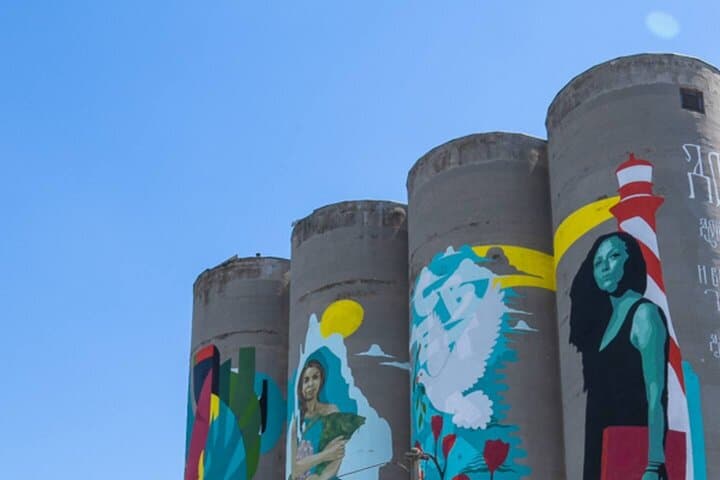
Beekeeping is woven into Serbia’s rural history; the country has long valued honey for food and medicine. The Silos site itself reuses industrial skeletons near the Sava river, turning urban infrastructure into cultural and ecological space. Visitors also learn simple local crafts—beeswax candles and mead—that link modern Belgrade to older Balkan traditions.
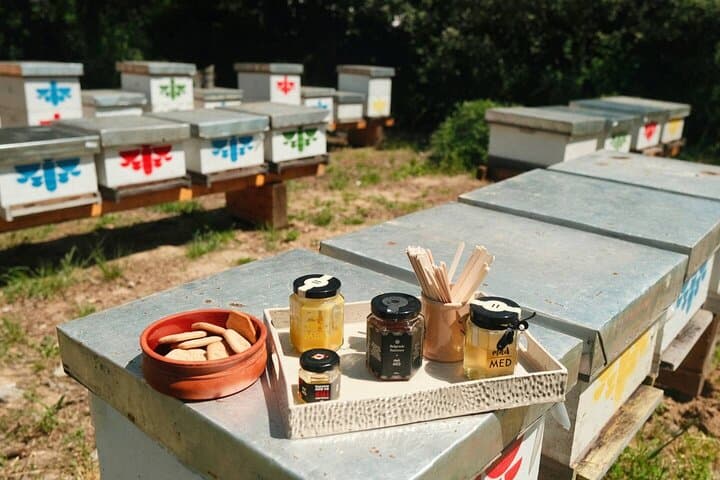
Practically, the experience is intimate and hands-on: a certified apitherapist leads a safety briefing, assists with suits, and guides a close inspection of frames where you can spot the queen and watch honey capping. The tasting at the end highlights varietals, propolis and traditional mead. Expect a 2-hour, small-group activity geared to beginners; people with severe bee allergies should not attend.
Plan for low, steady movement: wear closed-toe shoes and light layers, avoid strong perfumes, and come rested and hydrated. Morning sessions catch the bees at peak activity and make observation easier. Take a camera but follow the guide’s instructions near active hives. This is part wellness session, part urban-nature lesson—practical, tactile and quietly surprising.
easy.
2 hours.
Suitable for most fitness levels; activity involves standing, light bending and short walking.
Guides provide protective suits and supervise all hive interactions; people may opt to observe rather than enter a hive. Those with severe anxiety should consider skipping the hands-on portion.
Age policies vary; small children may be allowed to observe but not lie over hives—check with the operator ahead of booking.
Minor stings can happen but are uncommon during supervised sessions; wearing provided PPE and following instructions greatly reduces risk.
Hive air is generally safe, but anyone with respiratory sensitivities should consult their doctor before participating and inform the host in advance.
Serbia has a long rural beekeeping tradition; the region values honey and mead as food and folk remedies, and Belgrade’s Silos repurposes industrial spaces into cultural and ecological sites.
This urban apiary supports local pollinator habitat and educates visitors about sustainable beekeeping; respect hives and avoid removing honey or comb without permission.
Discover Belgrade’s Hidden Honey Garden operates guided outdoor trips and adventures with an emphasis on safety, stewardship, and memorable experiences.
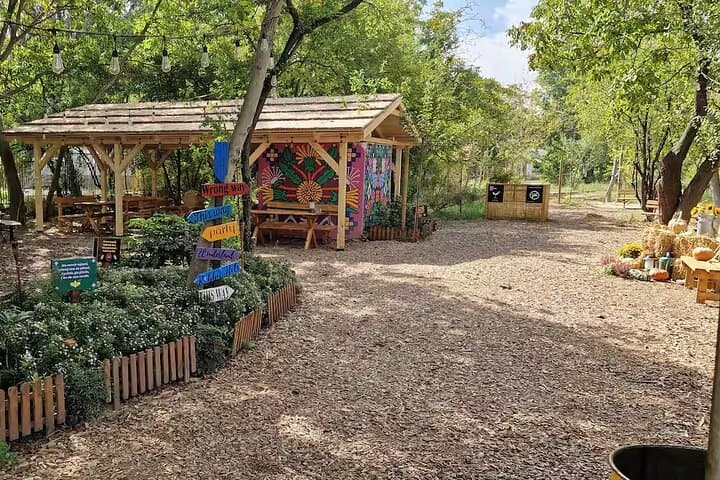

You step through a low iron gate and the city noise softens—only the faint hum of wings and a warm, resinous scent. The Honey Garden sits in the quiet courtyard behind Belgrade’s Silos Cultural Center, a small urban apiary where hundreds of thousands of bees set a steady, living rhythm. One by one participants lie above a live hive on a purpose-built apitherapy bed, feeling the hive’s vibrations as the beekeeper explains hive air, royal jelly and the city’s relationship with pollinators.
You step through a low iron gate and the city noise softens—only the faint hum of wings and a warm, resinous scent. The Honey Garden sits in the quiet courtyard behind Belgrade’s Silos Cultural Center, a small urban apiary where hundreds of thousands of bees set a steady, living rhythm. One by one participants lie above a live hive on a purpose-built apitherapy bed, feeling the hive’s vibrations as the beekeeper explains hive air, royal jelly and the city’s relationship with pollinators.
Beekeeping is woven into Serbia’s rural history; the country has long valued honey for food and medicine. The Silos site itself reuses industrial skeletons near the Sava river, turning urban infrastructure into cultural and ecological space. Visitors also learn simple local crafts—beeswax candles and mead—that link modern Belgrade to older Balkan traditions.
Practically, the experience is intimate and hands-on: a certified apitherapist leads a safety briefing, assists with suits, and guides a close inspection of frames where you can spot the queen and watch honey capping. The tasting at the end highlights varietals, propolis and traditional mead. Expect a 2-hour, small-group activity geared to beginners; people with severe bee allergies should not attend.
Plan for low, steady movement: wear closed-toe shoes and light layers, avoid strong perfumes, and come rested and hydrated. Morning sessions catch the bees at peak activity and make observation easier. Take a camera but follow the guide’s instructions near active hives. This is part wellness session, part urban-nature lesson—practical, tactile and quietly surprising.