THE ADVENTURE COLLECTIVE® · Independent discovery and booking for outdoor travel

A remote 16–17 day camping trek into Nepal’s far-western Himalaya, the Api Base Camp route moves through river valleys, traditional villages, and high alpine meadows to a 3,861 m base camp beneath the Api massif. Expect long drives, a domestic flight, and sustained altitude gains.
A remote 16–17 day camping trek into Nepal’s far-western Himalaya, the Api Base Camp route moves through river valleys, traditional villages, and high alpine meadows to a 3,861 m base camp beneath the Api massif. Expect long drives, a domestic flight, and sustained altitude gains.
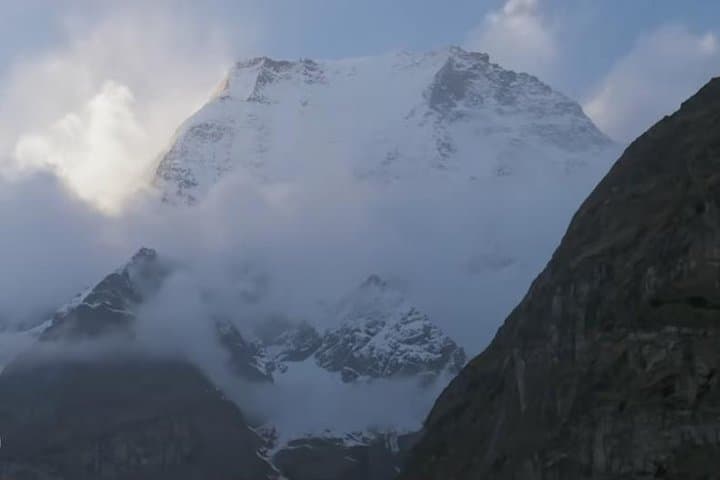
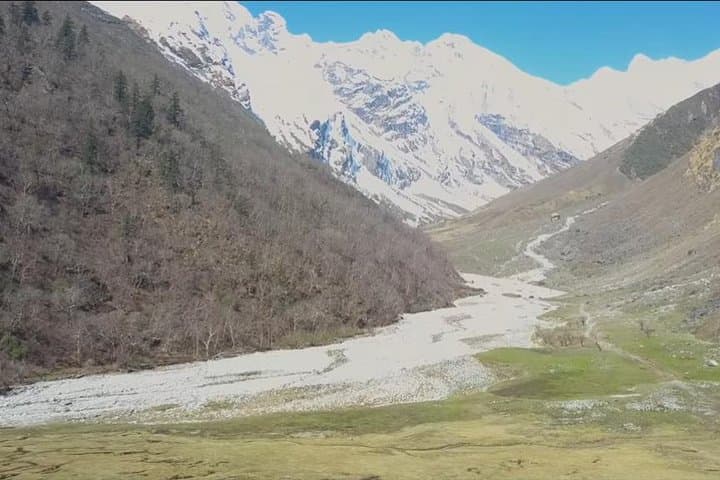
You crest a pasture, cold wind pressing the smell of pine and river mud into your lungs, and Api’s raw granite face fills the horizon—black ribs and tooth-like seracs rising above spruce and alpine meadows. The trail leaves villages of slate-roofed houses and terraced fields behind, following a river that seems to dare you onward toward higher air and quieter skies.
Verified experiences and guided adventures in the surrounding area.
Operated by Nepal Kailash Trekking · Kathmandu, Bagmati Province
You crest a pasture, cold wind pressing the smell of pine and river mud into your lungs, and Api’s raw granite face fills the horizon—black ribs and tooth-like seracs rising above spruce and alpine meadows. The trail leaves villages of slate-roofed houses and terraced fields behind, following a river that seems to dare you onward toward higher air and quieter skies.
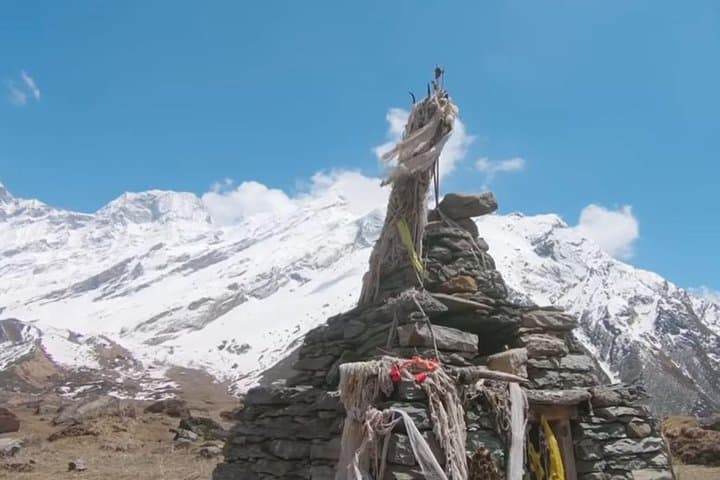
The Api massif sits in Nepal’s far-western Himalaya, a less-traveled range shaped by uplift and glacial carving. The route threads traditional Tharu and Khas communities, remote temples like Latinath, and grazing land where yak and people have shared slopes for generations. Geologically, granite spires and moraine-sculpted valleys define the skyline; culturally, small-market towns and seasonal farming rhythms set the pace.
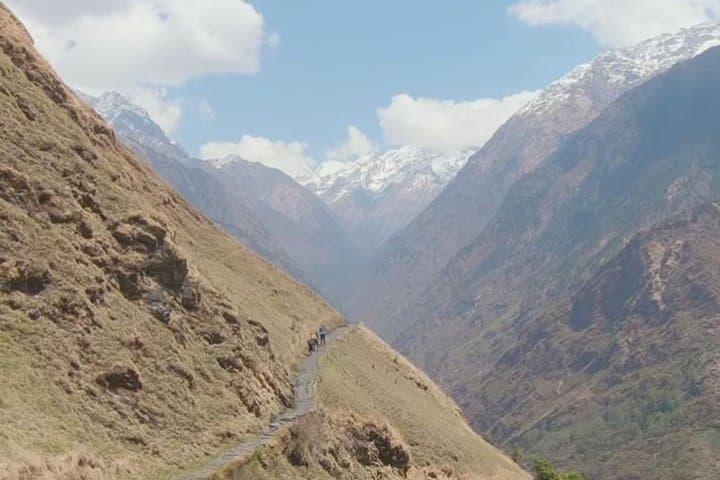
Expect multi-day camping with occasional teahouse-style hospitality, high-gradient ascents to 3,500–3,800 m, and one-day summit-window walks to the Api Base Camp itself. Trails vary—from packed mule tracks and stone staircases to loose scree on steep approaches—so pace matters more than speed. Altitude can be the limiting factor: build in acclimatization days, carry a reliable sleeping system, and keep daily mileage conservative.
Practical essentials: start in Kathmandu, plan domestic flights to Dhangadhi, and budget for long road transfers into Gokuleshwor. Water treatment, layered insulation, and a stout pair of trekking boots will make the difference. Weather shifts quickly; aim for late spring or autumn windows for the best views and stable trails. On this route, solitude is part of the reward—so travel light, informed, and respectful of fragile highland communities.
challenging.
16–17 days.
Good cardiovascular fitness with experience on multi-day treks; ability to carry a daypack and walk 4–7 hours daily.
You need local trekking permits issued in Kathmandu (or at designated offices) and any park permits specified by authorities; your operator will arrange paperwork.
No technical climbing is required to reach the base camp; the route is a high-altitude trek, though glacier travel is not included on the standard itinerary.
This is a remote region with limited medical facilities; evacuation would rely on road transfer or helicopter services, so travel insurance covering high-altitude rescue is essential.
Late spring (April–May) and autumn (September–November) offer the best combination of stable weather and clear mountain views.
The Api region has long been home to small Khas and Tharu communities with seasonal alpine pasturing; the area stayed off major trekking circuits until recent years.
Travel here impacts fragile alpine soils and local water sources—pack out waste, limit campfire use, and support local guides to keep economic benefits in the community.
Nepal Kailash Trekking operates guided outdoor trips and adventures with an emphasis on safety, stewardship, and memorable experiences.
You crest a pasture, cold wind pressing the smell of pine and river mud into your lungs, and Api’s raw granite face fills the horizon—black ribs and tooth-like seracs rising above spruce and alpine meadows. The trail leaves villages of slate-roofed houses and terraced fields behind, following a river that seems to dare you onward toward higher air and quieter skies.
You crest a pasture, cold wind pressing the smell of pine and river mud into your lungs, and Api’s raw granite face fills the horizon—black ribs and tooth-like seracs rising above spruce and alpine meadows. The trail leaves villages of slate-roofed houses and terraced fields behind, following a river that seems to dare you onward toward higher air and quieter skies.
The Api massif sits in Nepal’s far-western Himalaya, a less-traveled range shaped by uplift and glacial carving. The route threads traditional Tharu and Khas communities, remote temples like Latinath, and grazing land where yak and people have shared slopes for generations. Geologically, granite spires and moraine-sculpted valleys define the skyline; culturally, small-market towns and seasonal farming rhythms set the pace.
Expect multi-day camping with occasional teahouse-style hospitality, high-gradient ascents to 3,500–3,800 m, and one-day summit-window walks to the Api Base Camp itself. Trails vary—from packed mule tracks and stone staircases to loose scree on steep approaches—so pace matters more than speed. Altitude can be the limiting factor: build in acclimatization days, carry a reliable sleeping system, and keep daily mileage conservative.
Practical essentials: start in Kathmandu, plan domestic flights to Dhangadhi, and budget for long road transfers into Gokuleshwor. Water treatment, layered insulation, and a stout pair of trekking boots will make the difference. Weather shifts quickly; aim for late spring or autumn windows for the best views and stable trails. On this route, solitude is part of the reward—so travel light, informed, and respectful of fragile highland communities.