THE ADVENTURE COLLECTIVE® · Independent discovery and booking for outdoor travel

Visit the Apartheid Museum from Johannesburg to trace South Africa’s 20th-century history through immersive exhibits, audiovisual archives and thoughtful memorials. This guided transfer tour combines transport with a self-guided museum experience.
Visit the Apartheid Museum from Johannesburg to trace South Africa’s 20th-century history through immersive exhibits, audiovisual archives and thoughtful memorials. This guided transfer tour combines transport with a self-guided museum experience.
You step from the air-conditioned minivan into a plaza that feels intentionally ordered and slightly disorienting — a narrow corridor of turnstiles divides visitors by assigned race before the museum doors open. The Apartheid Museum pulls you into a curated sequence of rooms, where archival footage, courtroom transcripts and personal objects push history into immediate, human scale.
Verified experiences and guided adventures in the surrounding area.
Operated by Mount Zion Tours and Travels (PTY) Ltd · Johannesburg, Gauteng
You step from the air-conditioned minivan into a plaza that feels intentionally ordered and slightly disorienting — a narrow corridor of turnstiles divides visitors by assigned race before the museum doors open. The Apartheid Museum pulls you into a curated sequence of rooms, where archival footage, courtroom transcripts and personal objects push history into immediate, human scale.
Opened in 2001, the museum charts 20th-century South Africa: colonial laws, the institutional mechanics of apartheid and the decades-long resistance that led to democracy. Architecturally stark, galleries use contrast and layout to slow you down; media displays demand attention while outdoor sculptures and memorial walls invite quieter reflection.
The museum sits on the southern edge of Johannesburg, a city born from gold fever and shaped by rapid urban migration. Nearby Soweto and the Cradle of Humankind provide broader context — from township life to ancient geology — if you extend your visit.
Practical guidance: plan for about three hours inside plus transport time. Bring a charged phone or camera; some exhibits are multimedia and photos are allowed in specific areas. Comfortable shoes and respectful, smart-casual dress match the museum’s tone. Weekdays are quieter; weekends and public holidays fill quickly, so opt for early pickup if your schedule allows.
Accessibility is good: ramps, clear signage and wheelchair-friendly routes exist, but some multimedia stations are at fixed heights. Take bottled water, read exhibit placards slowly, and allow time afterward to discuss what you’ve seen — the museum is designed to prompt conversation, not just observation.
easy.
3–4 hours.
Suitable for all fitness levels; requires standing and walking on flat and slightly sloped surfaces
The operator lists a 240-minute total duration that includes transport; plan roughly 3 hours inside the museum with additional time for pickup and drop-off.
Yes — the itinerary indicates museum admission is included with the tour.
The site provides ramps and accessible routes, but contact the operator ahead to confirm specific pickup logistics and any assistance required.
Photography is allowed in many areas, but some multimedia installations and sensitive displays may restrict flash or photography—follow signage.
The Apartheid Museum opened in 2001 to document apartheid’s origins, legal structures and the struggle for democracy; its design uses sequence and media to recreate social experience.
The museum emphasizes respectful engagement and archival preservation; visitors can support local memory work by following exhibit rules, using official guides and avoiding souvenir vendors that exploit narratives.
Mount Zion Tours and Travels (PTY) Ltd operates guided outdoor trips and adventures with an emphasis on safety, stewardship, and memorable experiences.

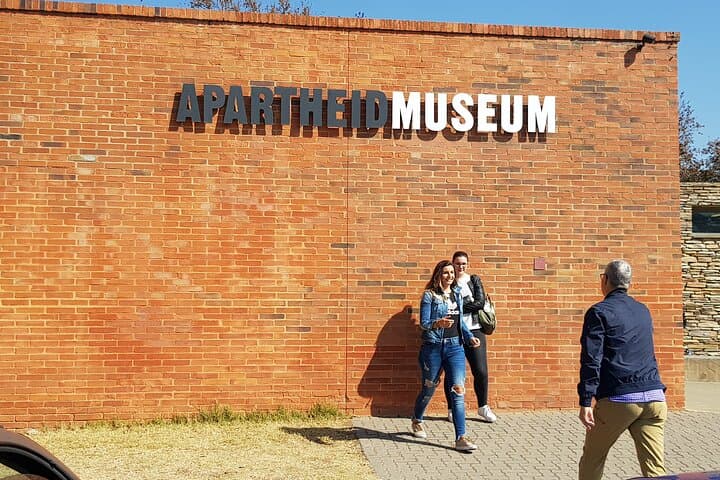


You step from the air-conditioned minivan into a plaza that feels intentionally ordered and slightly disorienting — a narrow corridor of turnstiles divides visitors by assigned race before the museum doors open. The Apartheid Museum pulls you into a curated sequence of rooms, where archival footage, courtroom transcripts and personal objects push history into immediate, human scale.
You step from the air-conditioned minivan into a plaza that feels intentionally ordered and slightly disorienting — a narrow corridor of turnstiles divides visitors by assigned race before the museum doors open. The Apartheid Museum pulls you into a curated sequence of rooms, where archival footage, courtroom transcripts and personal objects push history into immediate, human scale.
Opened in 2001, the museum charts 20th-century South Africa: colonial laws, the institutional mechanics of apartheid and the decades-long resistance that led to democracy. Architecturally stark, galleries use contrast and layout to slow you down; media displays demand attention while outdoor sculptures and memorial walls invite quieter reflection.
The museum sits on the southern edge of Johannesburg, a city born from gold fever and shaped by rapid urban migration. Nearby Soweto and the Cradle of Humankind provide broader context — from township life to ancient geology — if you extend your visit.
Practical guidance: plan for about three hours inside plus transport time. Bring a charged phone or camera; some exhibits are multimedia and photos are allowed in specific areas. Comfortable shoes and respectful, smart-casual dress match the museum’s tone. Weekdays are quieter; weekends and public holidays fill quickly, so opt for early pickup if your schedule allows.
Accessibility is good: ramps, clear signage and wheelchair-friendly routes exist, but some multimedia stations are at fixed heights. Take bottled water, read exhibit placards slowly, and allow time afterward to discuss what you’ve seen — the museum is designed to prompt conversation, not just observation.