THE ADVENTURE COLLECTIVE® · Independent discovery and booking for outdoor travel

Spend four hours fishing Apalachicola Bay’s flats, tidal creeks and backcountry with a local captain who supplies gear and licenses. Expect redfish, trout, flounder and lessons in an estuary with deep maritime roots.
Spend four hours fishing Apalachicola Bay’s flats, tidal creeks and backcountry with a local captain who supplies gear and licenses. Expect redfish, trout, flounder and lessons in an estuary with deep maritime roots.
The boat slips with a soft creak as the captain lifts the throttle and the town of Apalachicola slides astern. Salt air pulls at the brim of your hat, and the shallow bay ahead—an intricate network of oyster bars, tidal creeks and marsh channels—seems to move with a will of its own. In four hours you’ll chase redfish through grass flats, drop a line for speckled trout in shadowed channels, and scan mud banks for tailing flounder; the landscape will nudge you into learning its rhythm.
Verified experiences and guided adventures in the surrounding area.
Operated by iOutdoor Fishing Adventures · Apalachicola, Florida
The boat slips with a soft creak as the captain lifts the throttle and the town of Apalachicola slides astern. Salt air pulls at the brim of your hat, and the shallow bay ahead—an intricate network of oyster bars, tidal creeks and marsh channels—seems to move with a will of its own. In four hours you’ll chase redfish through grass flats, drop a line for speckled trout in shadowed channels, and scan mud banks for tailing flounder; the landscape will nudge you into learning its rhythm.
Apalachicola Bay is an estuary carved by the Apalachicola River and shaped by millennia of sediment, tides and storms. The town’s maritime history leans on oysters and shrimp; local boatbuilding and seafood lore remain alive in the docks and museums. Geologically, the shallow bay is a living delta—sand shoals shifting with storms, eelgrass beds that stabilize sediments, and oyster reefs that create micro-habitats for fish. That ecological complexity is why the bay produces species across nearshore, flats, and backcountry zones.
Culturally, a trip here is as much about place as it is about fish. Captains are storytellers—pointing out old lighthouse ruins, the faded facades of warehouses, and the small businesses that keep the seafood trade moving. Between casts you can plan a post-trip walk through Orman House Historic State Park or a cold beer at Oyster City Brewing; a day on the water often becomes a full-sensory introduction to the town.
Practically, the charter is designed for ease. The captain meets you at a local boat ramp with public parking; all fishing and safety gear, plus Florida fishing licenses, are provided. The operator targets productive spots close to the ramp, so you spend more time fishing and less time running.
Expect variable conditions: wind can push you into protected backcountry creeks where redfish hide, or into exposed flats on calm mornings when trout patrol the grass. Wear polarized sunglasses to read the water, non-marking deck shoes for stability, and sun protection—there’s little shade once you’re out on the bay. Bring motion-sickness meds if you’re sensitive; even sheltered runs can rock.
Skill level is beginner-friendly—guides rig rods, teach basic techniques and manage boat positioning—but anglers who know sight-fishing and presentation will get more strikes. Photos are best during the soft light of early morning or late afternoon when the bay’s textures and birds stand out. Above all, treat the estuary with respect: practice proper handling for released fish and follow local guidance to protect oyster beds and seagrass that make this fishery special.
easy.
4 hours.
Suitable for most fitness levels; must be able to board a small boat and stand or sit for up to four hours.
No—this charter provides state fishing licenses as part of the booking.
Common catches include redfish, spotted trout, flounder, tripletail and occasionally small sharks, depending on season and location.
Yes; beginners and children are welcome—guides supply gear, teach basic techniques, and prioritize safety.
The captain meets guests at a local boat ramp near downtown Apalachicola; the tour returns to the same ramp.
Full refunds are available if you cancel at least 24 hours before departure; trips may be canceled for bad weather.
Yes—marina facilities and local bathrooms are accessible before and after your trip.
Apalachicola’s maritime economy grew around oysters and shrimp; the bay has sustained local fisheries and small boat culture for generations.
The estuary is sensitive—oyster reefs and seagrass beds are critical habitat; the charter practices catch-and-release guidance and follows local rules to reduce impact.
iOutdoor Fishing Adventures operates guided outdoor trips and adventures with an emphasis on safety, stewardship, and memorable experiences.
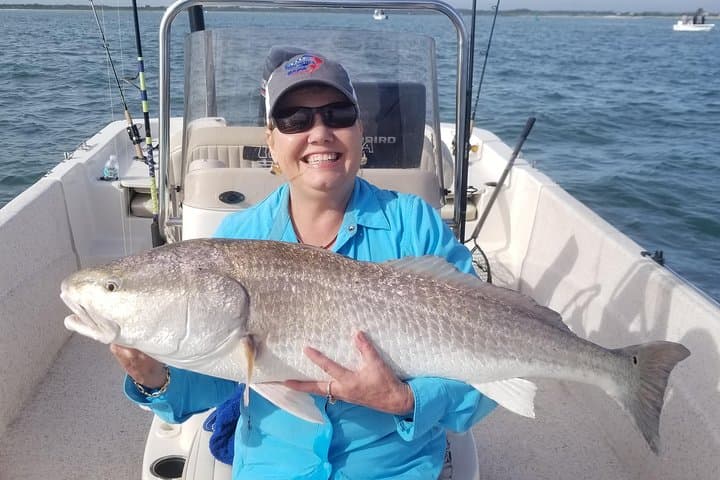
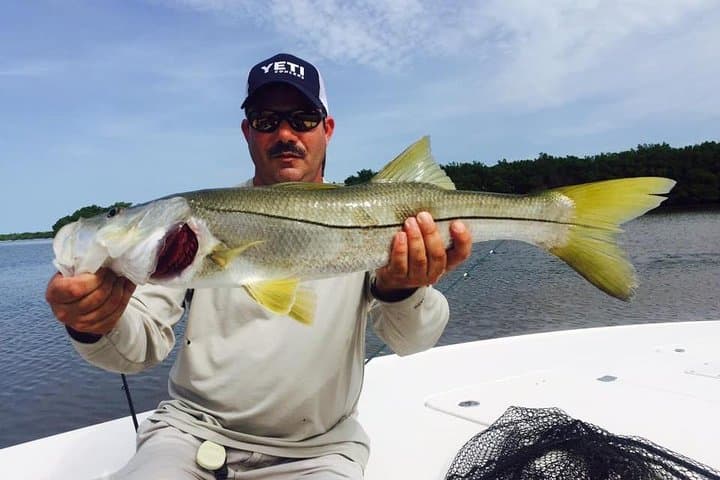
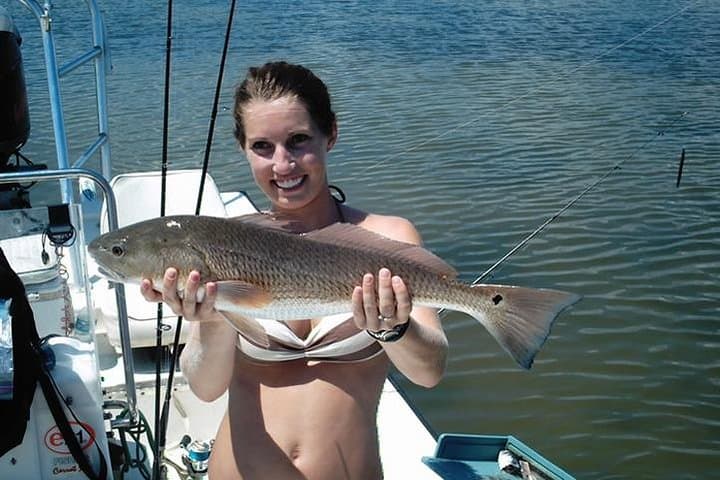
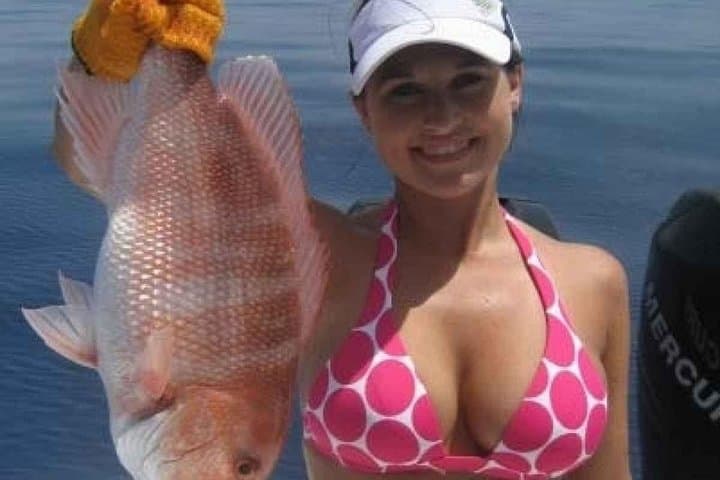
The boat slips with a soft creak as the captain lifts the throttle and the town of Apalachicola slides astern. Salt air pulls at the brim of your hat, and the shallow bay ahead—an intricate network of oyster bars, tidal creeks and marsh channels—seems to move with a will of its own. In four hours you’ll chase redfish through grass flats, drop a line for speckled trout in shadowed channels, and scan mud banks for tailing flounder; the landscape will nudge you into learning its rhythm.
The boat slips with a soft creak as the captain lifts the throttle and the town of Apalachicola slides astern. Salt air pulls at the brim of your hat, and the shallow bay ahead—an intricate network of oyster bars, tidal creeks and marsh channels—seems to move with a will of its own. In four hours you’ll chase redfish through grass flats, drop a line for speckled trout in shadowed channels, and scan mud banks for tailing flounder; the landscape will nudge you into learning its rhythm.
Apalachicola Bay is an estuary carved by the Apalachicola River and shaped by millennia of sediment, tides and storms. The town’s maritime history leans on oysters and shrimp; local boatbuilding and seafood lore remain alive in the docks and museums. Geologically, the shallow bay is a living delta—sand shoals shifting with storms, eelgrass beds that stabilize sediments, and oyster reefs that create micro-habitats for fish. That ecological complexity is why the bay produces species across nearshore, flats, and backcountry zones.
Culturally, a trip here is as much about place as it is about fish. Captains are storytellers—pointing out old lighthouse ruins, the faded facades of warehouses, and the small businesses that keep the seafood trade moving. Between casts you can plan a post-trip walk through Orman House Historic State Park or a cold beer at Oyster City Brewing; a day on the water often becomes a full-sensory introduction to the town.
Practically, the charter is designed for ease. The captain meets you at a local boat ramp with public parking; all fishing and safety gear, plus Florida fishing licenses, are provided. The operator targets productive spots close to the ramp, so you spend more time fishing and less time running.
Expect variable conditions: wind can push you into protected backcountry creeks where redfish hide, or into exposed flats on calm mornings when trout patrol the grass. Wear polarized sunglasses to read the water, non-marking deck shoes for stability, and sun protection—there’s little shade once you’re out on the bay. Bring motion-sickness meds if you’re sensitive; even sheltered runs can rock.
Skill level is beginner-friendly—guides rig rods, teach basic techniques and manage boat positioning—but anglers who know sight-fishing and presentation will get more strikes. Photos are best during the soft light of early morning or late afternoon when the bay’s textures and birds stand out. Above all, treat the estuary with respect: practice proper handling for released fish and follow local guidance to protect oyster beds and seagrass that make this fishery special.