THE ADVENTURE COLLECTIVE® · Independent discovery and booking for outdoor travel

Rise above the Aosta Valley in a hot air balloon for 360° views of Mont Blanc, Monte Rosa and the Matterhorn. This morning flight combines calm alpine air with a pilot‑led respect for weather and local mountain culture.
Rise above the Aosta Valley in a hot air balloon for 360° views of Mont Blanc, Monte Rosa and the Matterhorn. This morning flight combines calm alpine air with a pilot‑led respect for weather and local mountain culture.
A pale light spreads over the Aosta Valley as the balloon inflates: nylon fabric breathes, burners thrum, and the wicker basket tips its passengers into a slow, deliberate ascent. From a few hundred meters the patchwork of hayfields, villages and stone roofs sharpens; climb higher and the peaks of Mont Blanc, Monte Rosa and the Matterhorn emerge like islands in a sea of cloud.
Verified experiences and guided adventures in the surrounding area.
Operated by Charbonnier Mongolfiere · Aosta, Aosta Valley
A pale light spreads over the Aosta Valley as the balloon inflates: nylon fabric breathes, burners thrum, and the wicker basket tips its passengers into a slow, deliberate ascent. From a few hundred meters the patchwork of hayfields, villages and stone roofs sharpens; climb higher and the peaks of Mont Blanc, Monte Rosa and the Matterhorn emerge like islands in a sea of cloud.
This region has long been a crossroads between Italy, France and Switzerland—a corridor carved by glaciers that shaped the valley’s steep headwalls and moraines. The Alps here are living geology: granite faces, ancient metamorphic folds and the high glaciers that fueled local agriculture and alpine pastoral culture for centuries. Ballooning in Aosta follows a simple, old‑fashioned principle—read the wind—and that local respect for weather and mountain microclimates is part of the experience.
Practically, expect a roughly three-hour excursion including transfer, preflight briefing and a 40–60 minute flight. Operators launch from the valley floor and often reach 2,000–3,000 meters on calm days; landings are variable so wear stable shoes and be ready to walk on grass or gentle slopes. Morning flights offer the most stable air and best light for photos; pilots monitor thermals and wind layers closely, cancelling in unstable or gusty conditions.
Bring layers, sun protection, and a small daypack for your essentials. Follow crew instructions at launch and recovery—ballooning is low‑impact but dependent on weather—and savor the rare quiet punctuated only by the burner’s brief roar as the Alps roll beneath you.
easy.
2–3 hours.
Minimal fitness required; able to stand for the duration of the flight and step in/out of the basket unassisted.
Typical airborne time is 40–60 minutes, within a 2–3 hour total excursion including transfers and briefings.
Yes—pilots cancel or reschedule flights for unstable conditions, strong winds or low visibility; operators monitor forecasts closely.
Children under 7 years or shorter than 120 cm are usually not permitted; weight limits apply (check when booking) for safety and balance.
Dress in layers, wear closed‑toe shoes and bring sun protection; mornings are cold but can warm quickly after sunrise.
The Aosta Valley has Roman roots and later became a strategic alpine passage; local hamlets reflect centuries of transalpine trade and pastoral life.
Ballooning has a small physical footprint but depends on respecting private fields and timing landings to avoid disturbing livestock; choose operators that follow local landowner agreements.
Charbonnier Mongolfiere operates guided outdoor trips and adventures with an emphasis on safety, stewardship, and memorable experiences.
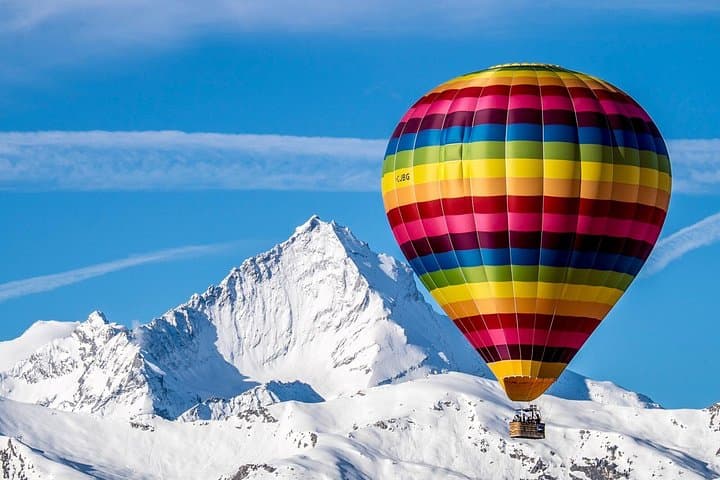
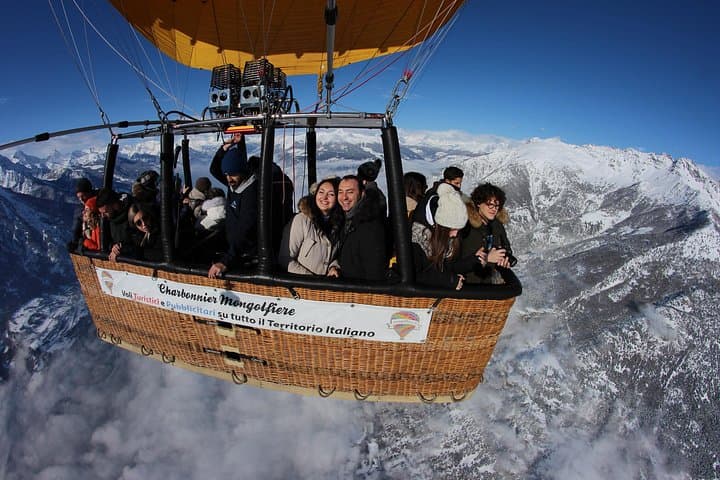
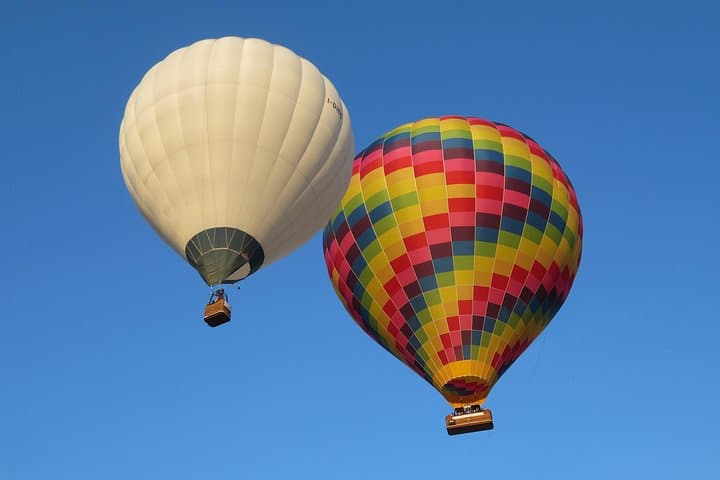
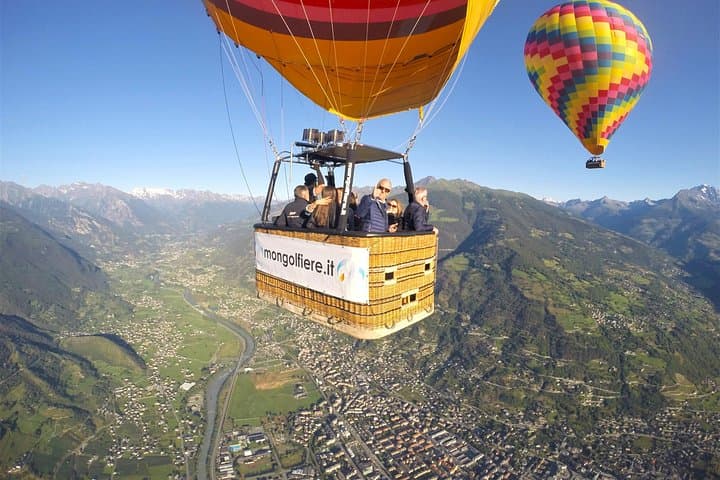
A pale light spreads over the Aosta Valley as the balloon inflates: nylon fabric breathes, burners thrum, and the wicker basket tips its passengers into a slow, deliberate ascent. From a few hundred meters the patchwork of hayfields, villages and stone roofs sharpens; climb higher and the peaks of Mont Blanc, Monte Rosa and the Matterhorn emerge like islands in a sea of cloud.
A pale light spreads over the Aosta Valley as the balloon inflates: nylon fabric breathes, burners thrum, and the wicker basket tips its passengers into a slow, deliberate ascent. From a few hundred meters the patchwork of hayfields, villages and stone roofs sharpens; climb higher and the peaks of Mont Blanc, Monte Rosa and the Matterhorn emerge like islands in a sea of cloud.
This region has long been a crossroads between Italy, France and Switzerland—a corridor carved by glaciers that shaped the valley’s steep headwalls and moraines. The Alps here are living geology: granite faces, ancient metamorphic folds and the high glaciers that fueled local agriculture and alpine pastoral culture for centuries. Ballooning in Aosta follows a simple, old‑fashioned principle—read the wind—and that local respect for weather and mountain microclimates is part of the experience.
Practically, expect a roughly three-hour excursion including transfer, preflight briefing and a 40–60 minute flight. Operators launch from the valley floor and often reach 2,000–3,000 meters on calm days; landings are variable so wear stable shoes and be ready to walk on grass or gentle slopes. Morning flights offer the most stable air and best light for photos; pilots monitor thermals and wind layers closely, cancelling in unstable or gusty conditions.
Bring layers, sun protection, and a small daypack for your essentials. Follow crew instructions at launch and recovery—ballooning is low‑impact but dependent on weather—and savor the rare quiet punctuated only by the burner’s brief roar as the Alps roll beneath you.