THE ADVENTURE COLLECTIVE® · Independent discovery and booking for outdoor travel

Ascend the Tasman Valley in an AS350 for a 25-minute flight that includes a 10–15 minute alpine landing with direct views of Aoraki/Mt Cook. Short, weather-dependent and photo-rich, this helicopter trip packs glacier, valley and peak panoramas into a single flight.
Ascend the Tasman Valley in an AS350 for a 25-minute flight that includes a 10–15 minute alpine landing with direct views of Aoraki/Mt Cook. Short, weather-dependent and photo-rich, this helicopter trip packs glacier, valley and peak panoramas into a single flight.
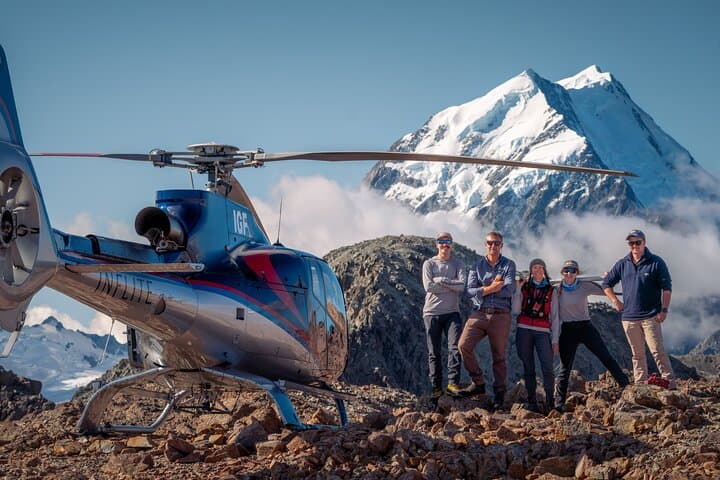
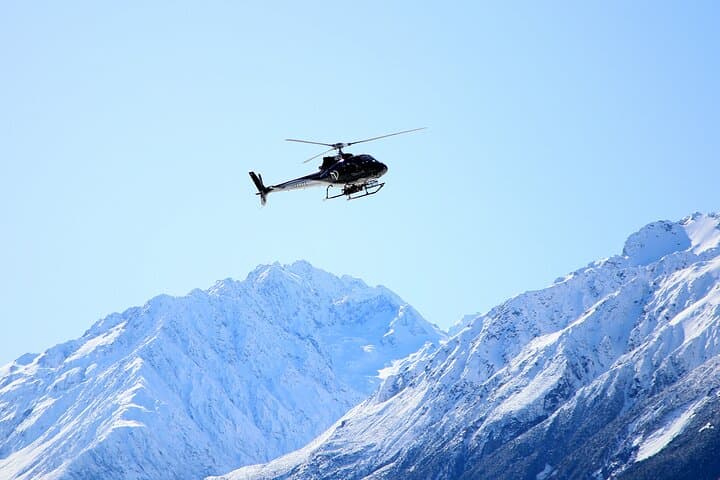
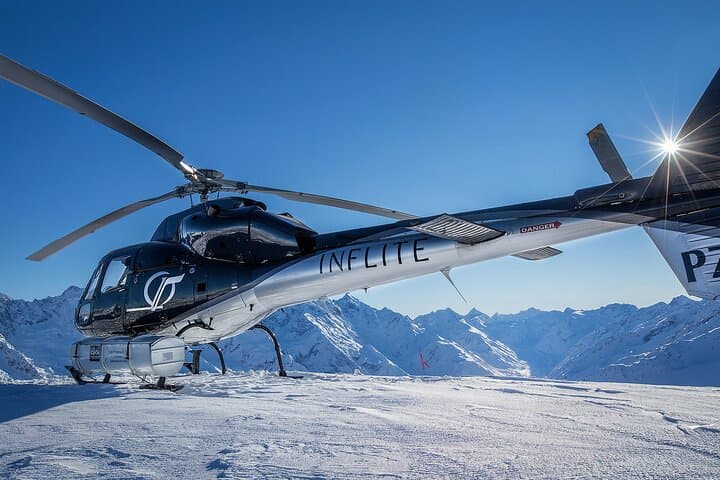
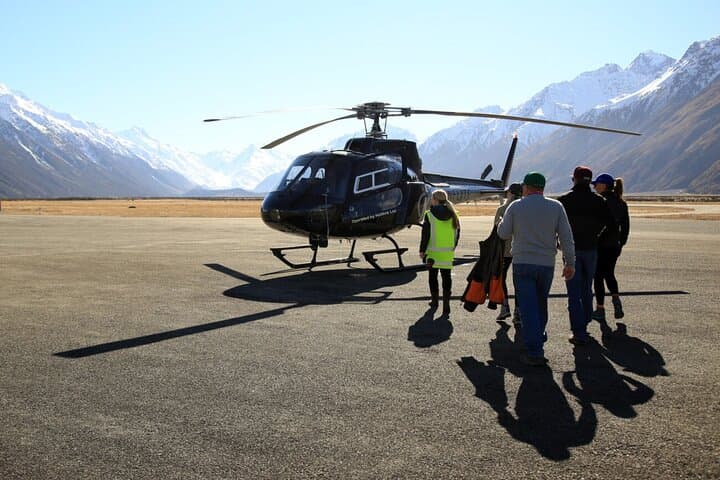
You lift off from the small airstrip with the Tasman braided rivers shrinking beneath the rotor wash, and the massif of Aoraki/Mount Cook fills the windscreen like a living map. In 25 minutes you move from village to glacier valley; the pilot banks to frame peaks and ice-blue moraines as the Tasman Terminal Lake glitters below. A precise alpine landing — typically on Brass Peak or Liebig Dome — gives 10–15 minutes to stand on firm snow and look directly at Aoraki’s serrated ridgeline.
Verified experiences and guided adventures in the surrounding area.
Operated by Inflite Ski Planes Limited · Mount Cook Village, Canterbury
You lift off from the small airstrip with the Tasman braided rivers shrinking beneath the rotor wash, and the massif of Aoraki/Mount Cook fills the windscreen like a living map. In 25 minutes you move from village to glacier valley; the pilot banks to frame peaks and ice-blue moraines as the Tasman Terminal Lake glitters below. A precise alpine landing — typically on Brass Peak or Liebig Dome — gives 10–15 minutes to stand on firm snow and look directly at Aoraki’s serrated ridgeline.
This short flight threads modern aviation through ancient geology: Pleistocene glaciers carved the broad Tasman Valley and left terminal lakes dotted with icebergs. The land here has cultural significance for Ngāi Tahu, who named Aoraki and hold deep connections to the mountain. Pilots usually provide commentary that blends natural history with safe-flying practice.
Practically, this is a high-impact, low-effort activity — minimal fitness required but expect cold, wind, and bright reflective snow. Weather rules: flights are subject to cancellation for visibility or wind, and a minimum passenger count may apply. Weight and balance limits are enforced; check in early and be ready to contact the operator on the morning of your flight.
Bring a warm jacket, sturdy footwear for short snow standing, sunglasses and a camera with a fast shutter. Time flights for morning clarity when possible, and leave no gear behind on the landing site. The ride is brief but cinematic: a compact alpine encounter that shows Aoraki’s scale in twenty-five minutes.
easy.
25 minutes (includes 10–15 minute landing).
Minimal cardiovascular fitness required; must be able to step in/out of helicopter and stand on compact snow for 10–15 minutes.
No — snow on the landing depends on season and local conditions; operators recommend a longer ‘ultimate’ combo for higher likelihood of year-round snow.
Flights are refundable or can be rebooked if cancelled for weather; check the operator’s 24-hour cancellation policy for specifics.
Yes — helicopters have strict weight-and-balance limits and the tour may require a minimum number of passengers to operate; you’ll be asked to provide weights when booking.
Infants are allowed but must sit on an adult's lap; specialized infant seats may be available — confirm with the operator ahead of time.
Aoraki/Mount Cook lies within Te Wahipounamu, a UNESCO World Heritage area; the mountain and valleys have been significant to Ngāi Tahu iwi for generations.
Helicopter operators work within DOC guidelines to minimize noise and disturbance; visitors should follow Leave No Trace and avoid lingering off marked landing areas.
Inflite Ski Planes Limited operates guided outdoor trips and adventures with an emphasis on safety, stewardship, and memorable experiences.
You lift off from the small airstrip with the Tasman braided rivers shrinking beneath the rotor wash, and the massif of Aoraki/Mount Cook fills the windscreen like a living map. In 25 minutes you move from village to glacier valley; the pilot banks to frame peaks and ice-blue moraines as the Tasman Terminal Lake glitters below. A precise alpine landing — typically on Brass Peak or Liebig Dome — gives 10–15 minutes to stand on firm snow and look directly at Aoraki’s serrated ridgeline.
You lift off from the small airstrip with the Tasman braided rivers shrinking beneath the rotor wash, and the massif of Aoraki/Mount Cook fills the windscreen like a living map. In 25 minutes you move from village to glacier valley; the pilot banks to frame peaks and ice-blue moraines as the Tasman Terminal Lake glitters below. A precise alpine landing — typically on Brass Peak or Liebig Dome — gives 10–15 minutes to stand on firm snow and look directly at Aoraki’s serrated ridgeline.
This short flight threads modern aviation through ancient geology: Pleistocene glaciers carved the broad Tasman Valley and left terminal lakes dotted with icebergs. The land here has cultural significance for Ngāi Tahu, who named Aoraki and hold deep connections to the mountain. Pilots usually provide commentary that blends natural history with safe-flying practice.
Practically, this is a high-impact, low-effort activity — minimal fitness required but expect cold, wind, and bright reflective snow. Weather rules: flights are subject to cancellation for visibility or wind, and a minimum passenger count may apply. Weight and balance limits are enforced; check in early and be ready to contact the operator on the morning of your flight.
Bring a warm jacket, sturdy footwear for short snow standing, sunglasses and a camera with a fast shutter. Time flights for morning clarity when possible, and leave no gear behind on the landing site. The ride is brief but cinematic: a compact alpine encounter that shows Aoraki’s scale in twenty-five minutes.