THE ADVENTURE COLLECTIVE® · Independent discovery and booking for outdoor travel

Fly over the Tasman Glacier and land on ice at the foot of New Zealand’s highest peak. This small-group day tour from Queenstown combines dramatic alpine driving with a 25-minute scenic helicopter flight and glacier landing, weather permitting.
Fly over the Tasman Glacier and land on ice at the foot of New Zealand’s highest peak. This small-group day tour from Queenstown combines dramatic alpine driving with a 25-minute scenic helicopter flight and glacier landing, weather permitting.
You step out of the coach and the mountain fills the sky — Aoraki/Mount Cook looms like a granite spine above the pale blue of Lake Pukaki. The air here tastes cold and mineral-rich; the ice rivers of the Southern Alps sigh and rearrange the landscape beneath the helicopter’s rotor wash.
Verified experiences and guided adventures in the surrounding area.
Operated by Wild Kiwi Tours · Mount Cook Village, Canterbury
You step out of the coach and the mountain fills the sky — Aoraki/Mount Cook looms like a granite spine above the pale blue of Lake Pukaki. The air here tastes cold and mineral-rich; the ice rivers of the Southern Alps sigh and rearrange the landscape beneath the helicopter’s rotor wash.
This full-day, small-group route travels across classic South Island scenes: the glacial sheen of Lake Wakatipu as you leave Queenstown, the wine-carved valleys of Gibbston, the tussock waves over Lindis Pass, and the startling turquoise of Lake Pukaki framed by Aoraki. Geologically, the park is young — uplifted by the Pacific-Australian plate boundary and carved by repeated glaciation — so expect sharp cirques, moraines and the vast Tasman Glacier system visible from the air.
Culturally, Aoraki is sacred to Ngāi Tahu; guides often weave in stories of Māori navigation and early European mountaineering. Local villages like Twizel and Mount Cook Village cater to alpine visitors with salmon farms, field cafés and museum exhibits on alpine exploration.
Practical guide: the 25-minute helicopter flight (weather dependent) includes a potential glacier landing — bring warm, windproof layers and non-slip footwear for icy surfaces. Allow a full day for travel from Queenstown (roughly 4 hours round trip by road with stops), and carry water, sunscreen and a charged camera. Helicopter operations follow strict weight limits and safety briefings; if the weather grounds flights, plan for scenic alternatives around Lake Pukaki or short valley walks in the national park.
easy.
8 hours.
Suitable for people with basic mobility; short alpine walks require steady footing and the ability to climb in and out of a helicopter.
No — glacier landings are weather-dependent and subject to pilot discretion for safety; when conditions prevent a landing, operators typically offer scenic flight alternatives or rescheduling when possible.
Yes — operators require passenger weights to be declared at booking and may set limits per flight for balance and safety; check the booking form and notify of any special requirements.
The full-day tour is about 8 hours (approximately 4 hours driving round-trip with stops and a 25-minute helicopter flight), departing early morning and returning in the evening.
Infants may be accommodated with specialized seats, but this experience is not recommended for pregnant travelers or those with significant spinal or cardiovascular issues; check operator restrictions before booking.
Aoraki/Mount Cook is central to Ngāi Tahu heritage and became a focal point of alpine exploration in the 19th and 20th centuries, leading to the establishment of the national park.
Aoraki/Mount Cook National Park is managed to protect fragile alpine ecosystems and glacial environments; visitors are asked to stick to marked tracks, avoid disturbing wildlife and carry out all waste.
Wild Kiwi Tours operates guided outdoor trips and adventures with an emphasis on safety, stewardship, and memorable experiences.

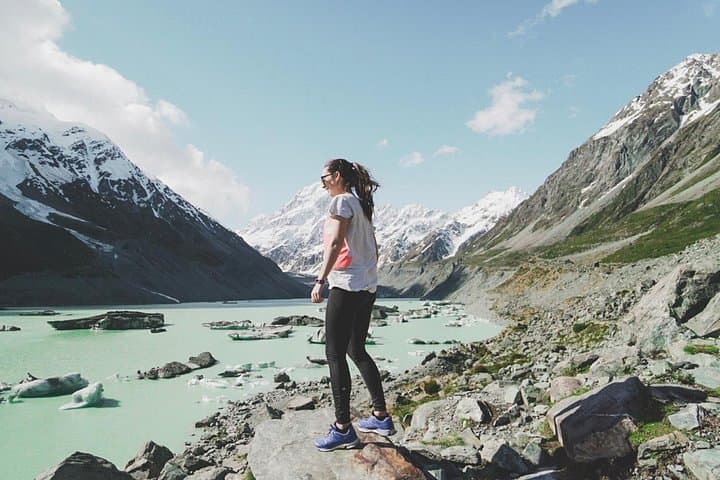
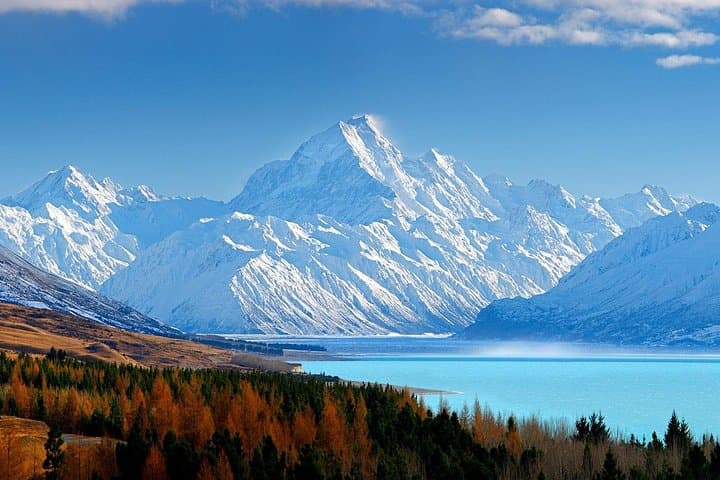
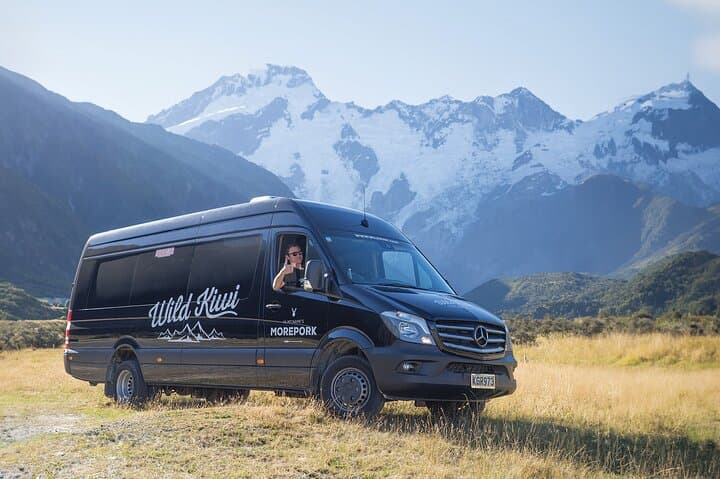
You step out of the coach and the mountain fills the sky — Aoraki/Mount Cook looms like a granite spine above the pale blue of Lake Pukaki. The air here tastes cold and mineral-rich; the ice rivers of the Southern Alps sigh and rearrange the landscape beneath the helicopter’s rotor wash.
You step out of the coach and the mountain fills the sky — Aoraki/Mount Cook looms like a granite spine above the pale blue of Lake Pukaki. The air here tastes cold and mineral-rich; the ice rivers of the Southern Alps sigh and rearrange the landscape beneath the helicopter’s rotor wash.
This full-day, small-group route travels across classic South Island scenes: the glacial sheen of Lake Wakatipu as you leave Queenstown, the wine-carved valleys of Gibbston, the tussock waves over Lindis Pass, and the startling turquoise of Lake Pukaki framed by Aoraki. Geologically, the park is young — uplifted by the Pacific-Australian plate boundary and carved by repeated glaciation — so expect sharp cirques, moraines and the vast Tasman Glacier system visible from the air.
Culturally, Aoraki is sacred to Ngāi Tahu; guides often weave in stories of Māori navigation and early European mountaineering. Local villages like Twizel and Mount Cook Village cater to alpine visitors with salmon farms, field cafés and museum exhibits on alpine exploration.
Practical guide: the 25-minute helicopter flight (weather dependent) includes a potential glacier landing — bring warm, windproof layers and non-slip footwear for icy surfaces. Allow a full day for travel from Queenstown (roughly 4 hours round trip by road with stops), and carry water, sunscreen and a charged camera. Helicopter operations follow strict weight limits and safety briefings; if the weather grounds flights, plan for scenic alternatives around Lake Pukaki or short valley walks in the national park.