THE ADVENTURE COLLECTIVE® · Independent discovery and booking for outdoor travel

Ascend over the Mackenzie Basin and land on the Tasman Glacier during a 40-minute helicopter flight from Aoraki / Mount Cook. Expect dramatic icefalls, expansive views of the Southern Alps, and an up-close glacier landing with pilot commentary.
Ascend over the Mackenzie Basin and land on the Tasman Glacier during a 40-minute helicopter flight from Aoraki / Mount Cook. Expect dramatic icefalls, expansive views of the Southern Alps, and an up-close glacier landing with pilot commentary.
You push past the low scrub of the Mackenzie Basin and the helicopter bites into thin alpine air; below, the Tasman Glacier threads like a silver river carved through steep grey rock. The rotor’s thrum becomes part of the landscape as the pilot banks toward the Hochstetter Icefall and the “Cloud Piercer” of Aoraki / Mount Cook rises, sharp and raw, into a cold blue.
Verified experiences and guided adventures in the surrounding area.
Operated by Glacier Helicopters · Aoraki / Mount Cook Village, Canterbury
You push past the low scrub of the Mackenzie Basin and the helicopter bites into thin alpine air; below, the Tasman Glacier threads like a silver river carved through steep grey rock. The rotor’s thrum becomes part of the landscape as the pilot banks toward the Hochstetter Icefall and the “Cloud Piercer” of Aoraki / Mount Cook rises, sharp and raw, into a cold blue.
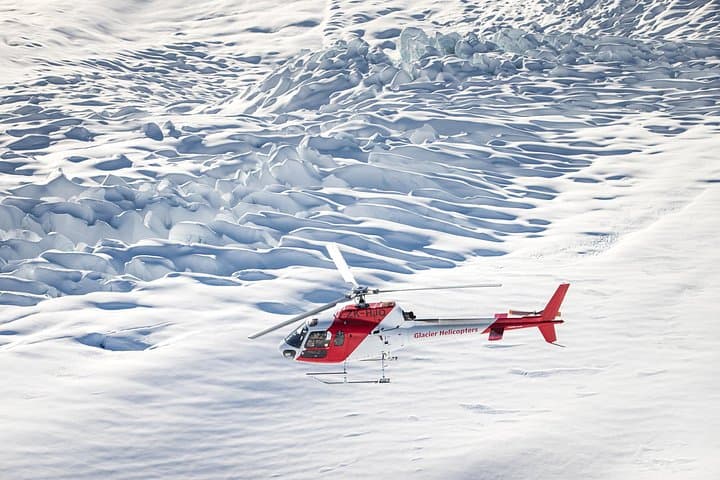
This flight combines spectacle with place: Māori stories name Aoraki as an ancestor whose peak forms a high spine of the Southern Alps, while geological time has stacked snow into neves, then compressed them into the crevassed expanse you’ll step onto. The Tasman Glacier is New Zealand’s longest glacier; its moraines and bergschrunds tell a history of advance and retreat visible from the air. Local pilots often point out the Burnett Range and the braided rivers of the Mackenzie Basin — working landscapes of sheep and hydro-formed plains beneath the ice.
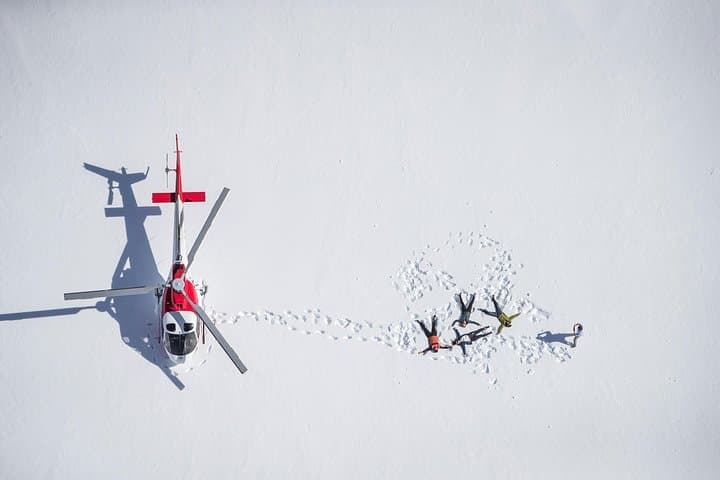
Practically, expect a rapid sequence: check in at Mount Cook village, transfer to the airstrip, a 40-minute scenic circuit, and a short glacier landing where you’ll disembark onto compacted snow and ice. Dress for alpine wind and sun: warm layers, sturdy boots for the landing, and sunglasses for the glare. Flights can be weather-dependent — carry flexibility in your schedule and heed weight declarations and safety briefings. The experience is short but intense: a firm handshake between human craft and ancient ice, with clear rules to keep both safe and preserved.
easy.
40 minutes (plus 30–60 minutes total with transfers).
No special fitness required beyond the ability to step in/out of the helicopter and handle short, uneven glacier footing.
The scenic circuit is 40 minutes total; the glacier landing is a brief stop included within that time for photos and viewings.
Infants must sit on laps and specialized infant seats are available; the operator does not recommend the flight for pregnant travelers—check with your provider.
Flights can be canceled for safety; the operator typically offers a full refund if canceled at least 24 hours before departure or can rebook subject to availability.
The flight reaches alpine conditions briefly; dress in warm layers and let staff know of any medical concerns—no special acclimatization is required for the short landing.
Aoraki / Mount Cook holds deep cultural significance to Ngāi Tahu; European alpinism and scientific surveys in the 19th–20th centuries mapped its glaciers and routes.
The area is part of Aoraki/Mount Cook National Park and Te Wāhipounamu World Heritage Area; follow landing-site guidelines to limit disturbance and pack out all waste.
Glacier Helicopters operates guided outdoor trips and adventures with an emphasis on safety, stewardship, and memorable experiences.
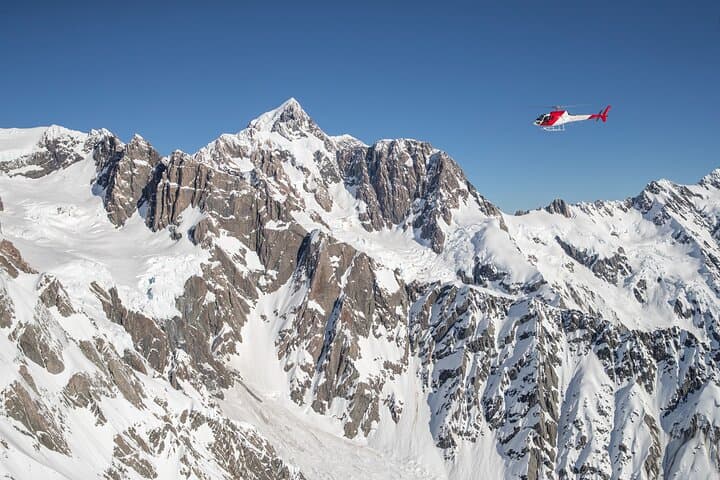
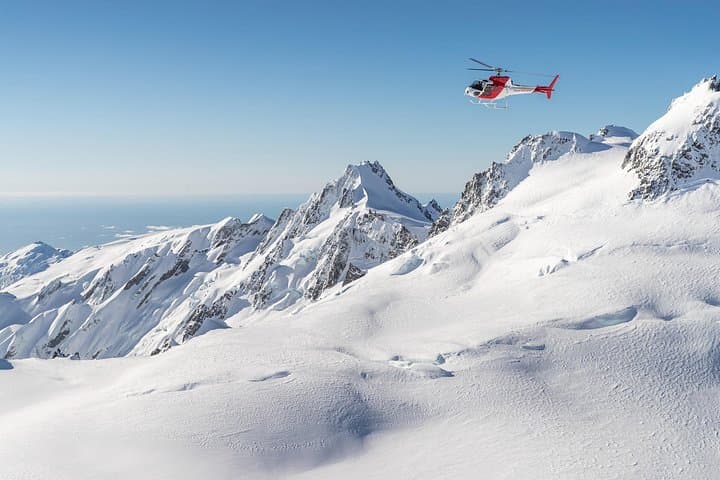
You push past the low scrub of the Mackenzie Basin and the helicopter bites into thin alpine air; below, the Tasman Glacier threads like a silver river carved through steep grey rock. The rotor’s thrum becomes part of the landscape as the pilot banks toward the Hochstetter Icefall and the “Cloud Piercer” of Aoraki / Mount Cook rises, sharp and raw, into a cold blue.
You push past the low scrub of the Mackenzie Basin and the helicopter bites into thin alpine air; below, the Tasman Glacier threads like a silver river carved through steep grey rock. The rotor’s thrum becomes part of the landscape as the pilot banks toward the Hochstetter Icefall and the “Cloud Piercer” of Aoraki / Mount Cook rises, sharp and raw, into a cold blue.
This flight combines spectacle with place: Māori stories name Aoraki as an ancestor whose peak forms a high spine of the Southern Alps, while geological time has stacked snow into neves, then compressed them into the crevassed expanse you’ll step onto. The Tasman Glacier is New Zealand’s longest glacier; its moraines and bergschrunds tell a history of advance and retreat visible from the air. Local pilots often point out the Burnett Range and the braided rivers of the Mackenzie Basin — working landscapes of sheep and hydro-formed plains beneath the ice.
Practically, expect a rapid sequence: check in at Mount Cook village, transfer to the airstrip, a 40-minute scenic circuit, and a short glacier landing where you’ll disembark onto compacted snow and ice. Dress for alpine wind and sun: warm layers, sturdy boots for the landing, and sunglasses for the glare. Flights can be weather-dependent — carry flexibility in your schedule and heed weight declarations and safety briefings. The experience is short but intense: a firm handshake between human craft and ancient ice, with clear rules to keep both safe and preserved.