THE ADVENTURE COLLECTIVE® · Independent discovery and booking for outdoor travel

Explore Aokigahara’s moss-carpeted trails, lava caves and three-lake vistas on a private six-hour tour from Kawaguchiko. A licensed English guide leads cave visits, viewpoints and cultural insights—good for nature-minded travelers seeking geology and quiet in Mount Fuji’s shadow.
Explore Aokigahara’s moss-carpeted trails, lava caves and three-lake vistas on a private six-hour tour from Kawaguchiko. A licensed English guide leads cave visits, viewpoints and cultural insights—good for nature-minded travelers seeking geology and quiet in Mount Fuji’s shadow.
You step off at Kawaguchiko Station and the air shifts—cool, a little damp, the silence of the forest closing like a curtain. The guide leads a short drive across lava fields and then into Aokigahara Jukai, where trees stand dense on black basalt and moss carpets the ground. Footsteps are soft; the forest seems to keep its own time.
Verified experiences and guided adventures in the surrounding area.
Operated by Japan Guide Agency · Fujikawaguchiko, Yamanashi
You step off at Kawaguchiko Station and the air shifts—cool, a little damp, the silence of the forest closing like a curtain. The guide leads a short drive across lava fields and then into Aokigahara Jukai, where trees stand dense on black basalt and moss carpets the ground. Footsteps are soft; the forest seems to keep its own time.
Aokigahara grew where Mt. Fuji’s flank cooled into jagged lava after historic eruptions. The same flows carved the lava tubes visitors explore today: Narusawa Ice Cave, Fugaku Wind Cave and the Lake Saiko Bat Cave each hold steady low temperatures and curious rock formations. Fugaku Wind Cave once refrigerated silkworm eggs and is a designated natural monument; Sanko-dai viewing platform rewards a mid-tour climb with three-lake panoramas across Saiko, Shoji and Motosu.
Culturally, the area is layered—religious practices, Edo-period pilgrimages and modern folklore sit alongside scientific interest in geology and ecology. The Tokai Nature Trail threads the zone, making this more than a single stop; it’s a landscape you move through.
Practically: this private six-hour tour includes an English-licensed guide and vehicle, meeting at Kawaguchiko Station. Expect uneven, often rocky trails and cool cave interiors (bring a light jacket). Bat Cave access is seasonal (typically open March–November). The pace is gentle and suitable for most fitness levels, but wear sturdy footwear, bring water, and keep to the marked paths—the forest’s ecology is fragile and trails can be disorienting.
easy.
6 hours.
Suitable for walkers in average shape; expect short hikes over rocky, sometimes steep ground and easy cave scrambling.
Meet at Kawaguchiko Station; the private vehicle provides transport during the six-hour route and returns to the general meeting area—confirm exact pickup/drop-off when booking.
Some caves are seasonal—Lake Saiko Bat Cave is typically open March through November; Narusawa Ice Cave and Fugaku Wind Cave have differing winter access and can close for safety.
The tour is rated as physically easy, but caves involve low ceilings, steps and slippery surfaces; infant seats are available but pregnant travelers are advised against participation.
Admissions vary by stop; check your booking details—some cave visits may have separate fees or seasonal access changes.
Aokigahara’s landscape sits on historic Mt. Fuji lava flows; caves like Fugaku Wind Cave were used historically to store food and silkworm eggs and are protected natural monuments.
The forest’s thin soils and unique lava substrate are fragile—stay on trails, pack out waste, and avoid disturbing cave formations or wildlife.
Japan Guide Agency operates guided outdoor trips and adventures with an emphasis on safety, stewardship, and memorable experiences.
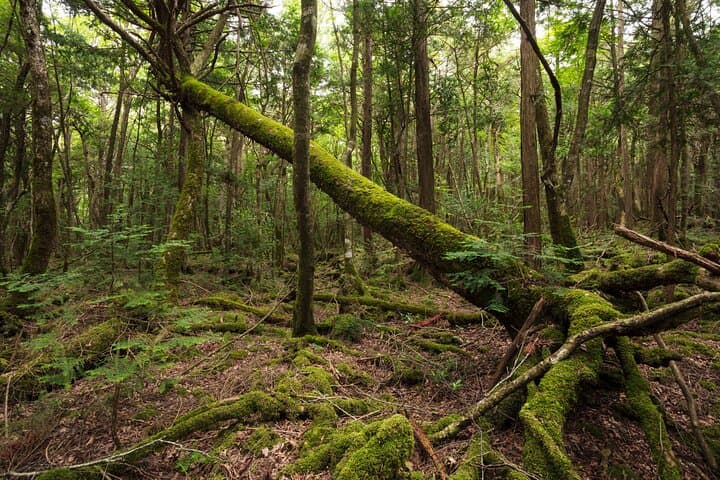
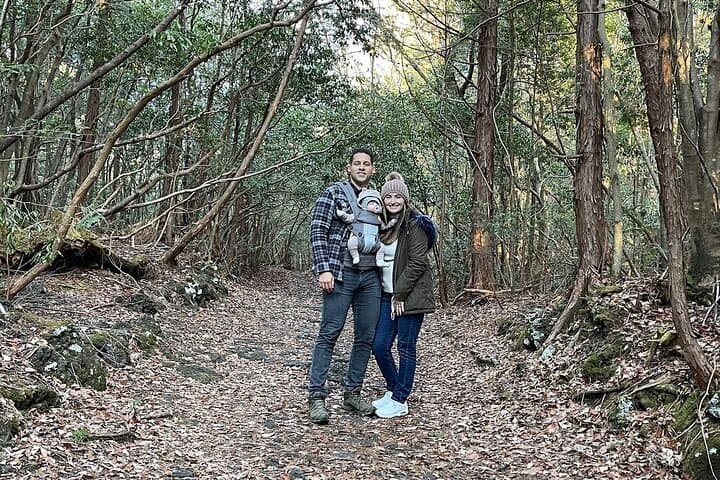
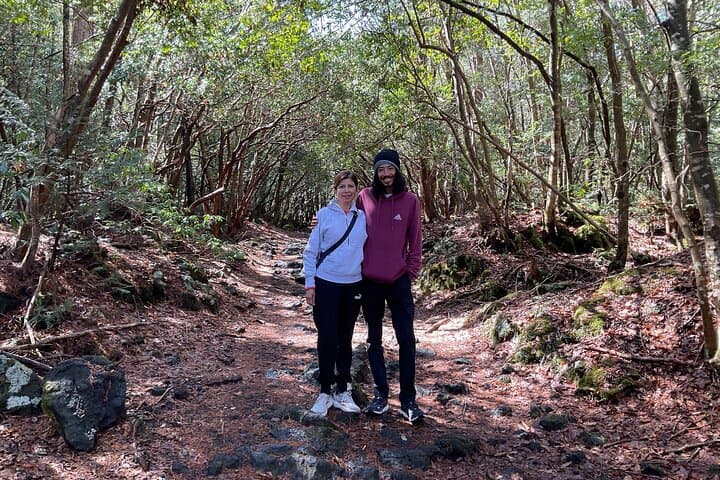
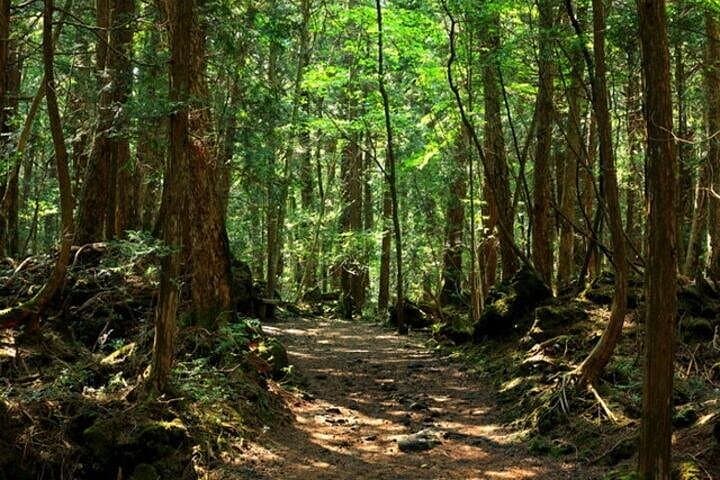
You step off at Kawaguchiko Station and the air shifts—cool, a little damp, the silence of the forest closing like a curtain. The guide leads a short drive across lava fields and then into Aokigahara Jukai, where trees stand dense on black basalt and moss carpets the ground. Footsteps are soft; the forest seems to keep its own time.
You step off at Kawaguchiko Station and the air shifts—cool, a little damp, the silence of the forest closing like a curtain. The guide leads a short drive across lava fields and then into Aokigahara Jukai, where trees stand dense on black basalt and moss carpets the ground. Footsteps are soft; the forest seems to keep its own time.
Aokigahara grew where Mt. Fuji’s flank cooled into jagged lava after historic eruptions. The same flows carved the lava tubes visitors explore today: Narusawa Ice Cave, Fugaku Wind Cave and the Lake Saiko Bat Cave each hold steady low temperatures and curious rock formations. Fugaku Wind Cave once refrigerated silkworm eggs and is a designated natural monument; Sanko-dai viewing platform rewards a mid-tour climb with three-lake panoramas across Saiko, Shoji and Motosu.
Culturally, the area is layered—religious practices, Edo-period pilgrimages and modern folklore sit alongside scientific interest in geology and ecology. The Tokai Nature Trail threads the zone, making this more than a single stop; it’s a landscape you move through.
Practically: this private six-hour tour includes an English-licensed guide and vehicle, meeting at Kawaguchiko Station. Expect uneven, often rocky trails and cool cave interiors (bring a light jacket). Bat Cave access is seasonal (typically open March–November). The pace is gentle and suitable for most fitness levels, but wear sturdy footwear, bring water, and keep to the marked paths—the forest’s ecology is fragile and trails can be disorienting.