THE ADVENTURE COLLECTIVE® · Independent discovery and booking for outdoor travel

Watch real Muay Thai matches at Ao Nang Krabi Stadium every Friday night—an intense cultural spectacle with authentic fights and a pre-fight wai khru ritual. Admission plus return transfer simplifies logistics for an easy evening out in southern Thailand.
Watch real Muay Thai matches at Ao Nang Krabi Stadium every Friday night—an intense cultural spectacle with authentic fights and a pre-fight wai khru ritual. Admission plus return transfer simplifies logistics for an easy evening out in southern Thailand.
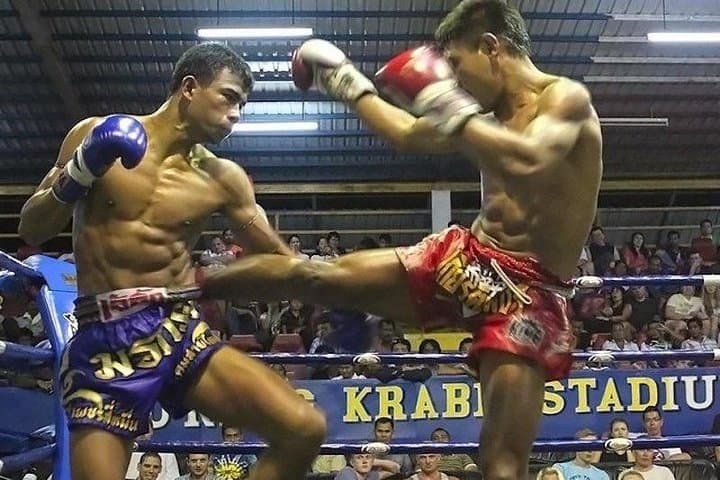
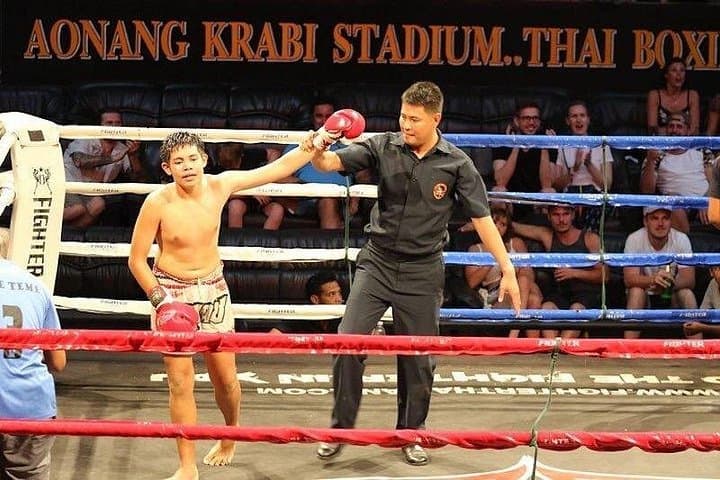
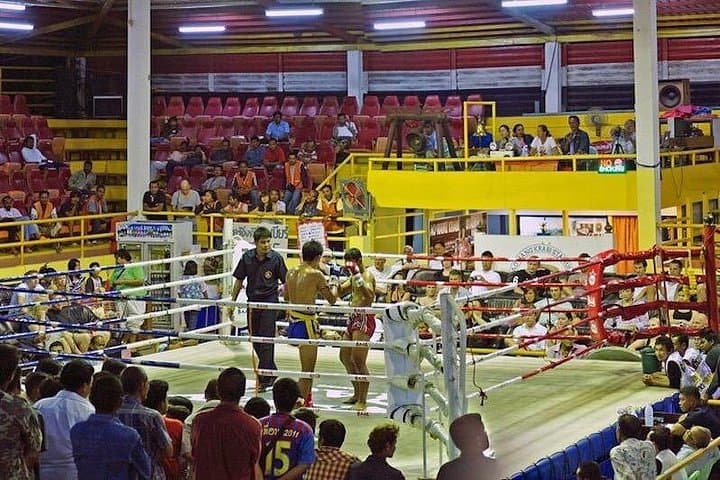
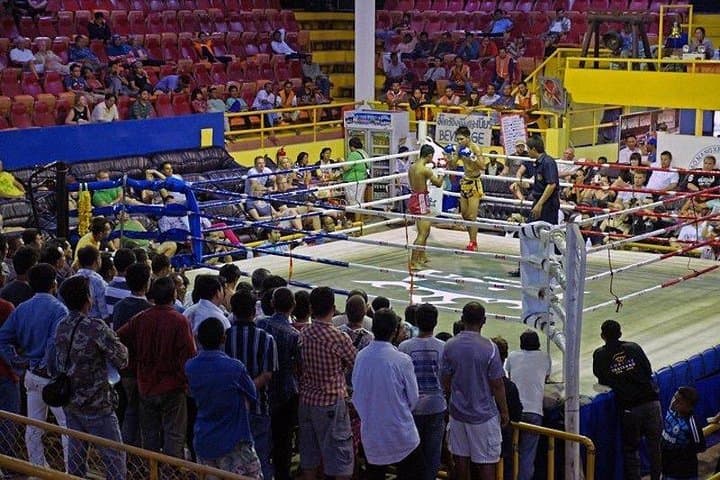
Floodlights cut across humid air as vendors call and the crowd tightens into rows of folding seats behind Nopparat Thara Beach. The ring sits like a small arena of heat and focus; fighters slip through rituals, musicians beat the rope of time, and the crowd leans in. The opening wai khru-ram muay—an ornate salute to teachers and spirits—announces that this is sport and ceremony at once.
Verified experiences and guided adventures in the surrounding area.
Operated by Bangkok Travel Agency · Ao Nang, Krabi Province
Floodlights cut across humid air as vendors call and the crowd tightens into rows of folding seats behind Nopparat Thara Beach. The ring sits like a small arena of heat and focus; fighters slip through rituals, musicians beat the rope of time, and the crowd leans in. The opening wai khru-ram muay—an ornate salute to teachers and spirits—announces that this is sport and ceremony at once.
Muay Thai is Thailand’s national martial art, with roots in battlefield skill and village competition; stadiums like Ao Nang Krabi’s keep that lineage alive for local fans as much as for visitors. Geologically, the stadium’s shoreline neighborhood is framed by Krabi’s karst limestone towers and wide sandy spit at Nopparat Thara, reminding you this is coastal southern Thailand more than an urban arena.
Expect real, regulated fights—short rounds, quick pivots, loud local support. The show runs on a Friday-night schedule and is roughly four hours with intermissions. Admission includes a return transfer; mobile tickets are accepted. Practical points: bring cash for food and small souvenirs, dress respectfully (no swimwear or overly revealing beachwear), and avoid flash photography ringside. Infants must sit on laps and the venue is accessible to most fitness levels—this is spectating, not exertion.
Leave room in your evening for a late return to Ao Nang or Krabi Town, and respect local customs when cheering. This is an honest, local look at Muay Thai in the south: visceral, fast, and culturally grounded.
easy.
4 hours.
Suitable for all fitness levels since this is a seated spectator event; able-bodied mobility recommended for stairs and outdoor seating.
Regular shows typically run on Friday nights; the total experience lasts about four hours including intermissions.
Yes—this ticket lists a return transfer; confirm pickup point when booking and allow local pickup windows in Ao Nang.
Children are allowed, but infants must sit on laps; consider the loud, intense nature of bouts when bringing young kids.
No—this specific booking states all sales are final and non-refundable, so confirm plans before purchasing.
Muay Thai evolved over centuries from Southeast Asian combat traditions; local stadiums preserve ritual (wai khru) and community competition that predate modern promotion.
Krabi’s beaches and coastal areas are environmentally sensitive—avoid littering, use refillable water bottles, and support vendors who follow local waste-reduction practices.
Bangkok Travel Agency operates guided outdoor trips and adventures with an emphasis on safety, stewardship, and memorable experiences.
Floodlights cut across humid air as vendors call and the crowd tightens into rows of folding seats behind Nopparat Thara Beach. The ring sits like a small arena of heat and focus; fighters slip through rituals, musicians beat the rope of time, and the crowd leans in. The opening wai khru-ram muay—an ornate salute to teachers and spirits—announces that this is sport and ceremony at once.
Floodlights cut across humid air as vendors call and the crowd tightens into rows of folding seats behind Nopparat Thara Beach. The ring sits like a small arena of heat and focus; fighters slip through rituals, musicians beat the rope of time, and the crowd leans in. The opening wai khru-ram muay—an ornate salute to teachers and spirits—announces that this is sport and ceremony at once.
Muay Thai is Thailand’s national martial art, with roots in battlefield skill and village competition; stadiums like Ao Nang Krabi’s keep that lineage alive for local fans as much as for visitors. Geologically, the stadium’s shoreline neighborhood is framed by Krabi’s karst limestone towers and wide sandy spit at Nopparat Thara, reminding you this is coastal southern Thailand more than an urban arena.
Expect real, regulated fights—short rounds, quick pivots, loud local support. The show runs on a Friday-night schedule and is roughly four hours with intermissions. Admission includes a return transfer; mobile tickets are accepted. Practical points: bring cash for food and small souvenirs, dress respectfully (no swimwear or overly revealing beachwear), and avoid flash photography ringside. Infants must sit on laps and the venue is accessible to most fitness levels—this is spectating, not exertion.
Leave room in your evening for a late return to Ao Nang or Krabi Town, and respect local customs when cheering. This is an honest, local look at Muay Thai in the south: visceral, fast, and culturally grounded.