THE ADVENTURE COLLECTIVE® · Independent discovery and booking for outdoor travel

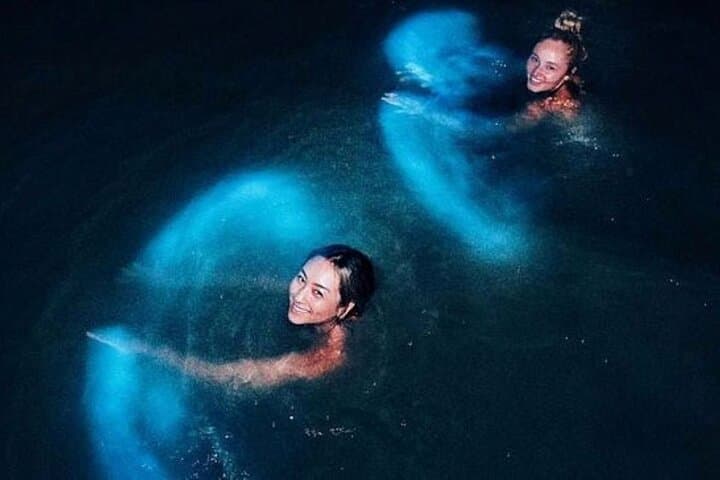
Slip from a longtail into ink-dark water and watch each stroke raise a shower of light. This short night boat from Ao Nang takes you to sheltered coves near Railay where bioluminescent plankton glow with every movement.
Slip from a longtail into ink-dark water and watch each stroke raise a shower of light. This short night boat from Ao Nang takes you to sheltered coves near Railay where bioluminescent plankton glow with every movement.
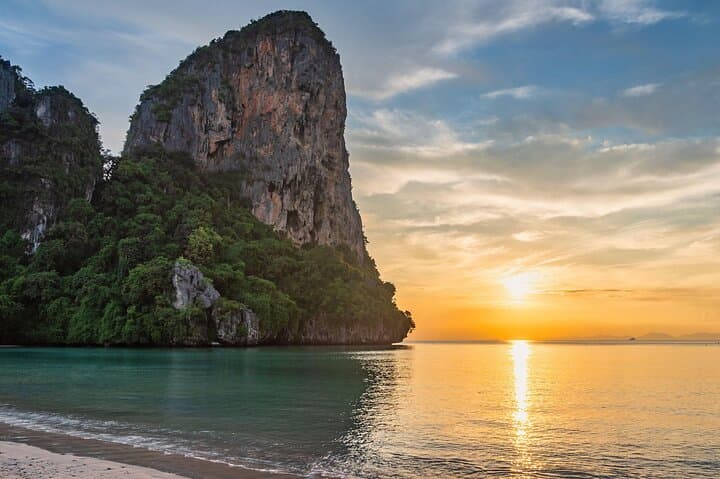
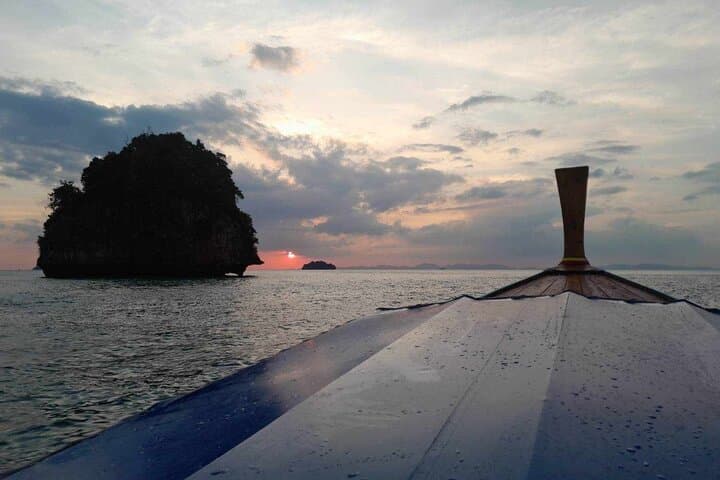
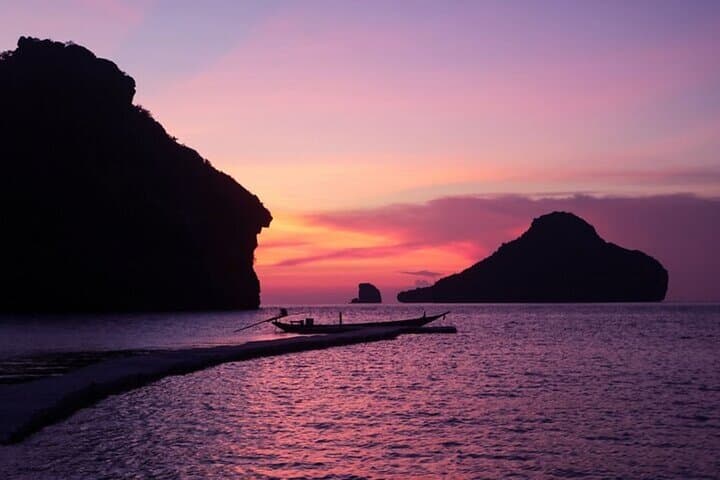
You push off a low wooden longtail as the sun slides behind limestone cliffs; the boat eases into black water and the first stars prickle overhead. Minutes later, guided by a local, you slip into warm, ink-dark sea and your hands score through a living light—thin, electric traceries that flare with every kick.
Verified experiences and guided adventures in the surrounding area.
Operated by itc tours thailande · Ao Nang, Krabi
You push off a low wooden longtail as the sun slides behind limestone cliffs; the boat eases into black water and the first stars prickle overhead. Minutes later, guided by a local, you slip into warm, ink-dark sea and your hands score through a living light—thin, electric traceries that flare with every kick.
This stretch of coast, a short ride from Railay and Ao Nang in Krabi Province, sits at the edge of Thailand’s karst islands. The same reef-protected coves that shelter traditional fishery villages also concentrate bioluminescent dinoflagellates on certain nights. Geology matters: sheer limestone towers block wind, producing calm surface water where plankton congregate.
For generations locals have navigated these bays; tonight’s guide combines that knowledge with a simple safety-first setup—life vests, masks, and a short shore briefing. The phenomenon itself is biological: organisms emit light when disturbed, turning movement into a ribboned glow that seems to follow you.
Practically: tours leave at sunset and run about two hours with hotel pickup, a brief boat run, and roughly 60–90 minutes in the water. Best sightings are during new moon and after a dry spell when water clarity is high. Wear swimwear without sunscreen, bring a towel and dry clothes, and plan for calm, shallow water—no expert swimming required. Avoid bright lights and flash photography to preserve your view and the plankton’s nighttime behavior.
This is a low-impact, short outing that pairs natural spectacle with straightforward logistics—perfect for travelers looking for a memorable, locally guided night on Krabi’s sheltered seas.
easy.
2 hours.
Suitable for most people with basic mobility; minimal swimming ability required as vests are provided.
Typical runs are just a few minutes from Railay/Ao Nang—most tours feature a short transfer to a nearby sheltered cove.
Yes, children are usually allowed but must sit on laps if infants; flotation vests are provided for all ages depending on operator policy.
You can photograph with long-exposure settings, but avoid flash; smartphone night photos may struggle—ask your guide for tips.
Yes—operators provide life vests and stay close to guests in shallow water, making the experience accessible for most non-expert swimmers.
Krabi’s coastline is defined by dramatic karst uplift and a long history of small-scale fishing communities; limestone stacks near Railay are relics of ancient marine sedimentation and tectonic forces.
Keep the impact minimal—avoid creams and plastics in the water, follow guide instructions, and don’t touch or collect marine organisms to preserve nighttime behavior.
itc tours thailande operates guided outdoor trips and adventures with an emphasis on safety, stewardship, and memorable experiences.
You push off a low wooden longtail as the sun slides behind limestone cliffs; the boat eases into black water and the first stars prickle overhead. Minutes later, guided by a local, you slip into warm, ink-dark sea and your hands score through a living light—thin, electric traceries that flare with every kick.
You push off a low wooden longtail as the sun slides behind limestone cliffs; the boat eases into black water and the first stars prickle overhead. Minutes later, guided by a local, you slip into warm, ink-dark sea and your hands score through a living light—thin, electric traceries that flare with every kick.
This stretch of coast, a short ride from Railay and Ao Nang in Krabi Province, sits at the edge of Thailand’s karst islands. The same reef-protected coves that shelter traditional fishery villages also concentrate bioluminescent dinoflagellates on certain nights. Geology matters: sheer limestone towers block wind, producing calm surface water where plankton congregate.
For generations locals have navigated these bays; tonight’s guide combines that knowledge with a simple safety-first setup—life vests, masks, and a short shore briefing. The phenomenon itself is biological: organisms emit light when disturbed, turning movement into a ribboned glow that seems to follow you.
Practically: tours leave at sunset and run about two hours with hotel pickup, a brief boat run, and roughly 60–90 minutes in the water. Best sightings are during new moon and after a dry spell when water clarity is high. Wear swimwear without sunscreen, bring a towel and dry clothes, and plan for calm, shallow water—no expert swimming required. Avoid bright lights and flash photography to preserve your view and the plankton’s nighttime behavior.
This is a low-impact, short outing that pairs natural spectacle with straightforward logistics—perfect for travelers looking for a memorable, locally guided night on Krabi’s sheltered seas.