THE ADVENTURE COLLECTIVE® · Independent discovery and booking for outdoor travel

Travel from Sigiriya to Anuradhapura for a full-day immersion in Sri Lanka’s first kingdom—giant stupas, the 2,300-year-old Bodhi Tree, and monastic complexes that map centuries of Buddhist culture. Plan for a long, sunlit day of walking and temple etiquette.
Travel from Sigiriya to Anuradhapura for a full-day immersion in Sri Lanka’s first kingdom—giant stupas, the 2,300-year-old Bodhi Tree, and monastic complexes that map centuries of Buddhist culture. Plan for a long, sunlit day of walking and temple etiquette.
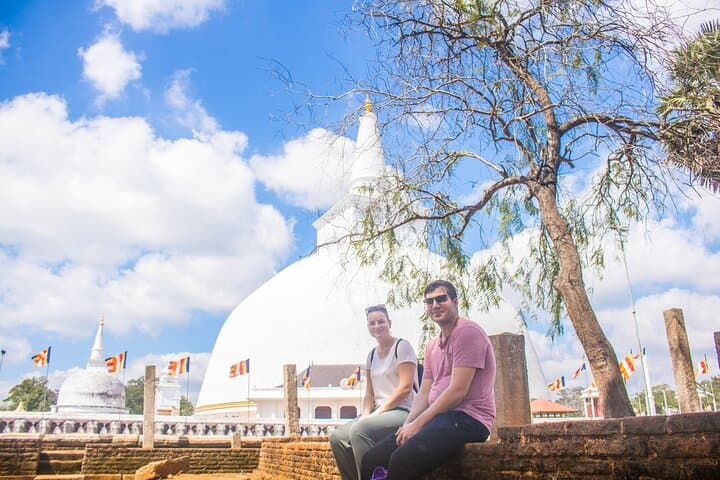
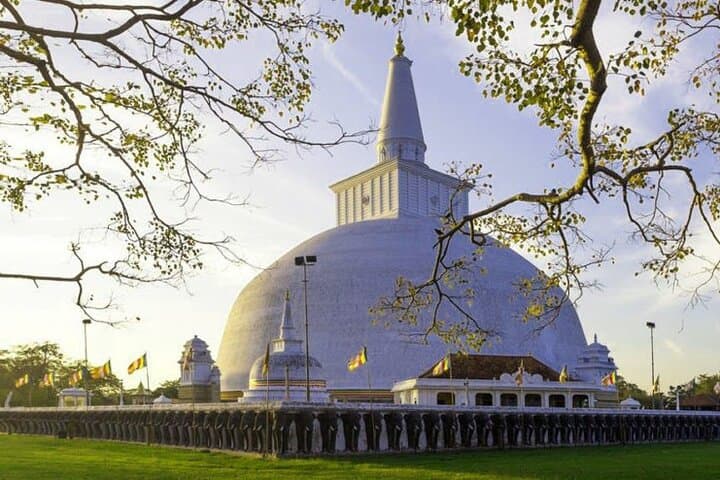
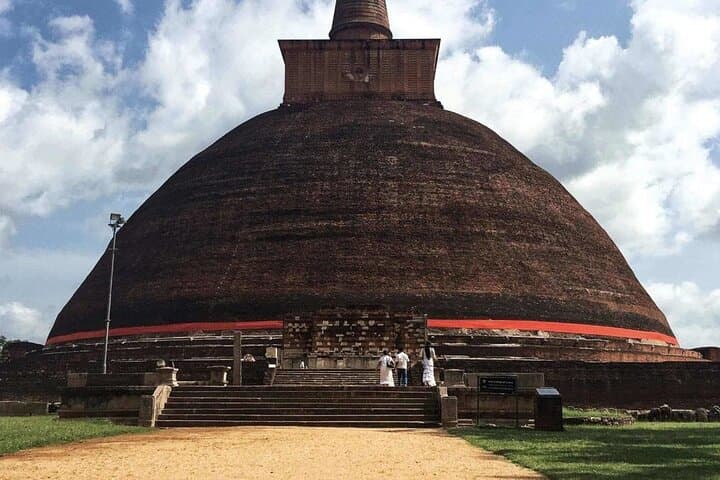
You arrive before the heat has fully settled and the ruins are still cool under early light. Palms throw long shadows across cracked stone terraces, and the road from Sigiriya unspools through paddy fields toward the low, expansive plains of Anuradhapura. Here, brick stupas rise like weathered lungs, and the Great Bodhi Tree casts shade over centuries of pilgrims.
Verified experiences and guided adventures in the surrounding area.
Operated by Ceylon Travel Dream · Anuradhapura, North Central Province
You arrive before the heat has fully settled and the ruins are still cool under early light. Palms throw long shadows across cracked stone terraces, and the road from Sigiriya unspools through paddy fields toward the low, expansive plains of Anuradhapura. Here, brick stupas rise like weathered lungs, and the Great Bodhi Tree casts shade over centuries of pilgrims.
Anuradhapura was the first major Sinhalese kingdom and one of South Asia’s oldest continuously inhabited urban centers. The site’s geology — compacted red earth and riverine silt — allowed monumental brickwork that has survived in terraces, walls, and massive dagobas. The complex reflects Sri Lanka’s deep Buddhist heritage: monasteries, vatadages, and carved moonstones tell a story of royal patronage, irrigation engineering, and monastic scholarship.
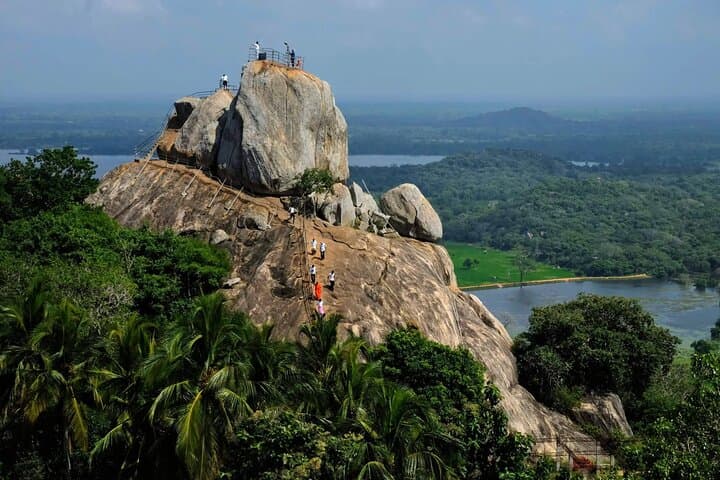
Local life still orbits these ruins; monks chant, vendors sell jasmine garlands, and villagers maintain temple rituals. Mihintale, a short drive east, adds a pilgrimage ridge with steps, rock shelters, and small shrines.
Practical note: expect a long day—10–14 hours—with several short walks between monuments on uneven, sun-exposed paths. Dress respectfully (shoulders and knees covered) and carry sun protection and plenty of water. Photography is common but follow signs at sacred sites. Guides add context—history, restoration notes, and how ancient reservoirs shaped the landscape—turning a series of stones into a readable map of Sri Lanka’s past.
Timing your visit for the cooler morning hours and pacing time at major stupas makes the day rewarding without fatigue. A tour from Sigiriya is an efficient way to see the essentials and return by evening.
easy.
10–14 hours.
Suitable for most fitness levels; expect several hours of walking on uneven ground and short climbs of temple terraces.
The tour runs approximately 10–14 hours (6:00 AM pickup typical), including transit time and multiple site visits.
Yes — an air-conditioned vehicle and return transport to Sigiriya are included in the tour.
Admission details vary by operator; check your booking—this itinerary lists admission as not applicable, so expect to confirm entry fees locally if required.
Generally yes; the tour is rated easy but involves walking on uneven surfaces and steps, so assess mobility for long days.
Anuradhapura served as Sri Lanka’s first major Sinhalese capital from the 4th century BCE and became a center for Buddhism and hydraulic engineering.
Anuradhapura is a UNESCO World Heritage site; visitors should stick to marked paths, avoid touching fragile brickwork, and follow local guidelines to limit wear on ancient structures.
Ceylon Travel Dream operates guided outdoor trips and adventures with an emphasis on safety, stewardship, and memorable experiences.
You arrive before the heat has fully settled and the ruins are still cool under early light. Palms throw long shadows across cracked stone terraces, and the road from Sigiriya unspools through paddy fields toward the low, expansive plains of Anuradhapura. Here, brick stupas rise like weathered lungs, and the Great Bodhi Tree casts shade over centuries of pilgrims.
You arrive before the heat has fully settled and the ruins are still cool under early light. Palms throw long shadows across cracked stone terraces, and the road from Sigiriya unspools through paddy fields toward the low, expansive plains of Anuradhapura. Here, brick stupas rise like weathered lungs, and the Great Bodhi Tree casts shade over centuries of pilgrims.
Anuradhapura was the first major Sinhalese kingdom and one of South Asia’s oldest continuously inhabited urban centers. The site’s geology — compacted red earth and riverine silt — allowed monumental brickwork that has survived in terraces, walls, and massive dagobas. The complex reflects Sri Lanka’s deep Buddhist heritage: monasteries, vatadages, and carved moonstones tell a story of royal patronage, irrigation engineering, and monastic scholarship.
Local life still orbits these ruins; monks chant, vendors sell jasmine garlands, and villagers maintain temple rituals. Mihintale, a short drive east, adds a pilgrimage ridge with steps, rock shelters, and small shrines.
Practical note: expect a long day—10–14 hours—with several short walks between monuments on uneven, sun-exposed paths. Dress respectfully (shoulders and knees covered) and carry sun protection and plenty of water. Photography is common but follow signs at sacred sites. Guides add context—history, restoration notes, and how ancient reservoirs shaped the landscape—turning a series of stones into a readable map of Sri Lanka’s past.
Timing your visit for the cooler morning hours and pacing time at major stupas makes the day rewarding without fatigue. A tour from Sigiriya is an efficient way to see the essentials and return by evening.