THE ADVENTURE COLLECTIVE® · Independent discovery and booking for outdoor travel

Explore decades of Sri Lankan history in a private 4–6 hour tour of Anuradhapura’s stupas, sacred fig tree and monastic complexes. This practical guide explains what you’ll see and how to prepare.
Explore decades of Sri Lankan history in a private 4–6 hour tour of Anuradhapura’s stupas, sacred fig tree and monastic complexes. This practical guide explains what you’ll see and how to prepare.
Early light slants across Tissa Wewa, and the low hum of a small air‑conditioned van pulls up to a gravel lane. You step out into a landscape of broad ponds, stony monastery complexes and stupas that press the horizon—granite outcrops, brick terraces and the leaf‑shadowed girth of the Sri Maha Bodhi.
Verified experiences and guided adventures in the surrounding area.
Operated by Ashan Sri Lanka Tours · Anuradhapura, North Central Province
Early light slants across Tissa Wewa, and the low hum of a small air‑conditioned van pulls up to a gravel lane. You step out into a landscape of broad ponds, stony monastery complexes and stupas that press the horizon—granite outcrops, brick terraces and the leaf‑shadowed girth of the Sri Maha Bodhi.
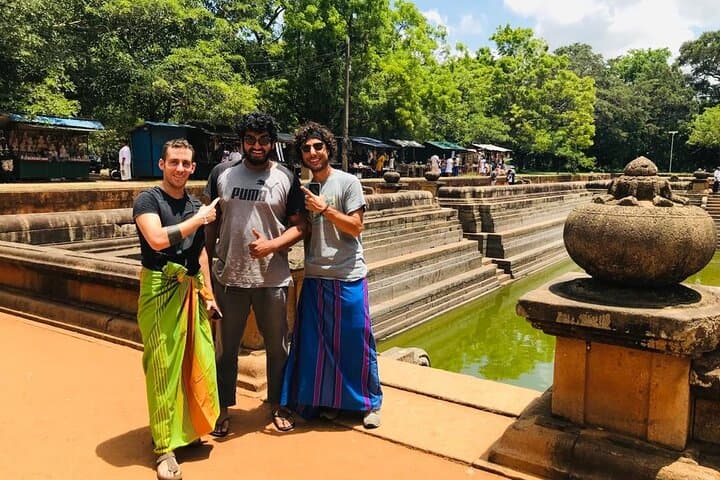
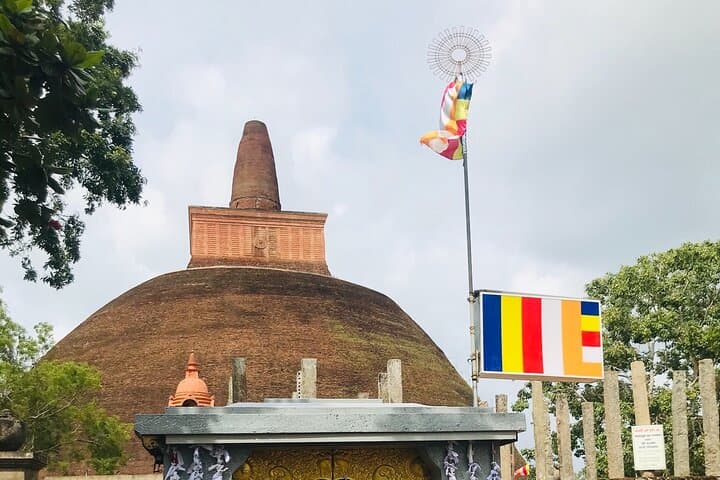
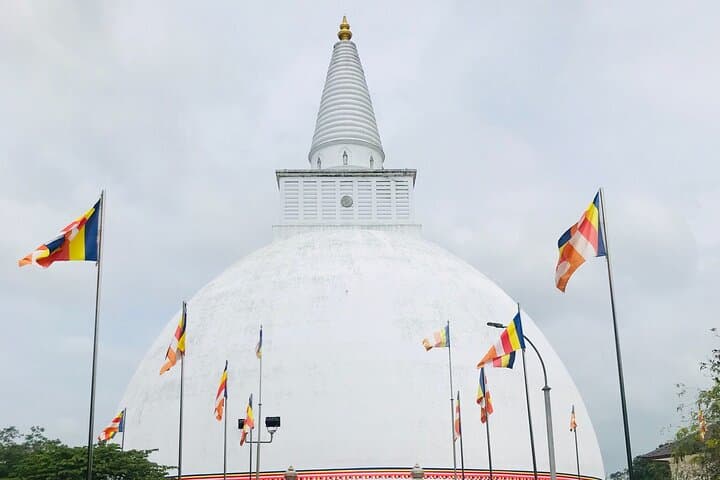
Anuradhapura was the political and spiritual heart of ancient Sri Lanka for over a millennium. The city’s massive dagobas—Ruwanweli Maha Seya and Abhayagiri—speak to a city built by hydraulic engineering and royal patronage; Kuttam Pokuna (the twin bathing tanks) show sophisticated water management; the Sri Maha Bodhi is a living relic planted in the 3rd century BCE. The geology here is low, weathered rock and lake plains carved by ancient irrigation; culturally, the site remains a pilgrimage center where dress and behavior are guided by Buddhist ritual.
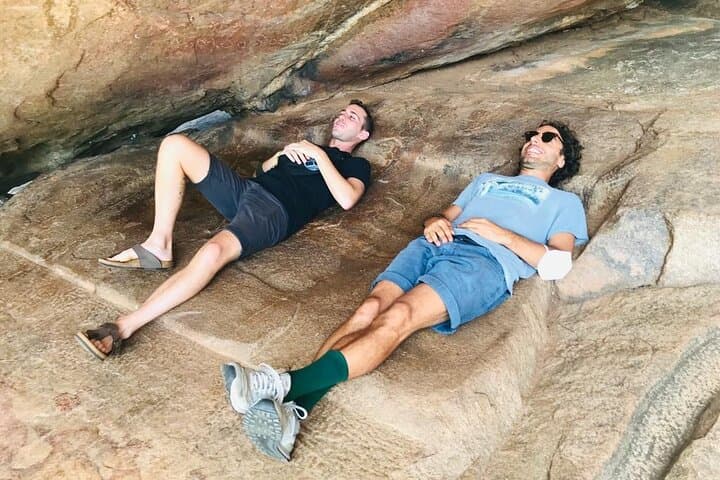
On a private 4–6 hour tour you’ll move between carved stone steps, monk’s caves at Vessagiriya, the Samadhi Statue and Mirisawetiya Dagaba with a local guide explaining inscriptions, restoration history and the role of kings like Dutugemunu.
Practical guidance: expect a lot of walking on uneven stone and packed earth—moderate fitness helps. Temperatures climb mid‑day, so plan morning departures, bring water, sun protection and modest clothing (shoulders and knees covered) for temple etiquette. The tour uses private transport and typically includes parking fees; confirm entrance fees and wheelchair needs in advance. Arrive early to catch light on the stupas and avoid the hottest hours.
moderate.
4–6 hours.
Moderate; you should be comfortable walking several kilometers on uneven ground and climbing short stone steps.
Not always—many archaeological sites charge separate entrance fees; confirm with the operator before departure.
Some transport and flat areas are accessible, but many monuments involve steps and uneven ground; notify the operator of accessibility needs when booking.
There are basic restroom facilities and local cafés near the main sites; plan for a short break or bring snacks if you have dietary needs.
Early morning is best for cooler temperatures, smaller crowds and softer light on the monuments.
Anuradhapura was the island’s first major capital and a center for Theravada Buddhism; many structures date from the 3rd century BCE to the early medieval period.
The archaeological park balances tourism with conservation—stay on marked paths, avoid touching fragile brickwork and use refillable bottles to reduce waste.
Ashan Sri Lanka Tours operates guided outdoor trips and adventures with an emphasis on safety, stewardship, and memorable experiences.
Early light slants across Tissa Wewa, and the low hum of a small air‑conditioned van pulls up to a gravel lane. You step out into a landscape of broad ponds, stony monastery complexes and stupas that press the horizon—granite outcrops, brick terraces and the leaf‑shadowed girth of the Sri Maha Bodhi.
Early light slants across Tissa Wewa, and the low hum of a small air‑conditioned van pulls up to a gravel lane. You step out into a landscape of broad ponds, stony monastery complexes and stupas that press the horizon—granite outcrops, brick terraces and the leaf‑shadowed girth of the Sri Maha Bodhi.
Anuradhapura was the political and spiritual heart of ancient Sri Lanka for over a millennium. The city’s massive dagobas—Ruwanweli Maha Seya and Abhayagiri—speak to a city built by hydraulic engineering and royal patronage; Kuttam Pokuna (the twin bathing tanks) show sophisticated water management; the Sri Maha Bodhi is a living relic planted in the 3rd century BCE. The geology here is low, weathered rock and lake plains carved by ancient irrigation; culturally, the site remains a pilgrimage center where dress and behavior are guided by Buddhist ritual.
On a private 4–6 hour tour you’ll move between carved stone steps, monk’s caves at Vessagiriya, the Samadhi Statue and Mirisawetiya Dagaba with a local guide explaining inscriptions, restoration history and the role of kings like Dutugemunu.
Practical guidance: expect a lot of walking on uneven stone and packed earth—moderate fitness helps. Temperatures climb mid‑day, so plan morning departures, bring water, sun protection and modest clothing (shoulders and knees covered) for temple etiquette. The tour uses private transport and typically includes parking fees; confirm entrance fees and wheelchair needs in advance. Arrive early to catch light on the stupas and avoid the hottest hours.