THE ADVENTURE COLLECTIVE® · Independent discovery and booking for outdoor travel

Walk with a biologist through ANURA, a small conservation reserve near La Fortuna that focuses on habitat restoration, medicinal plants and stingless-bee ecology. Expect close wildlife encounters, practical conservation lessons, and accessible trails for families.
Walk with a biologist through ANURA, a small conservation reserve near La Fortuna that focuses on habitat restoration, medicinal plants and stingless-bee ecology. Expect close wildlife encounters, practical conservation lessons, and accessible trails for families.
You step off the dirt lane into a pocket of humid forest where the air itself seems to carry stories — from the low hum of insects to the urgent calls of birds. At ANURA, a compact 3.8-hectare conservation reserve near La Fortuna, a biologist leads groups along shaded trails, pointing out medicinal plants, the subtle signs of habitat restoration, and the small, industrious stingless bees that keep the understory alive.
Verified experiences and guided adventures in the surrounding area.
Operated by Anura Ecological Park · La Fortuna, Alajuela
You step off the dirt lane into a pocket of humid forest where the air itself seems to carry stories — from the low hum of insects to the urgent calls of birds. At ANURA, a compact 3.8-hectare conservation reserve near La Fortuna, a biologist leads groups along shaded trails, pointing out medicinal plants, the subtle signs of habitat restoration, and the small, industrious stingless bees that keep the understory alive.
Founded and run by biologist Alberto Rico Urones, ANURA combines hands-on restoration with public education. The land sits on volcanic soils shaped by past eruptions of the northern Costa Rican range; secondary forest has reclaimed former pasture, creating a patchwork of ponds, wetlands and young canopy. Local culture here values practical conservation — reintroducing native species, cataloging plant uses, and involving families in stewardship.
On the walk you’ll see red-eyed tree frogs tucked in bromeliads, sloths moving with deliberate patience, and a shallow lake where caimans bask at dusk. The guide’s explanations are scientific but accessible, turning each observation into a lesson on pollination, succession and sustainable management.
Practical notes: tours last about two hours on easy, well-maintained trails suitable for most fitness levels and families. Expect muddy patches in the wet season, mosquitoes at dawn and dusk, and a steady forest humidity — bring sturdy closed-toe shoes, a rain layer, water, and a sense of curiosity. Night tours focus on amphibians and nocturnal insects; daytime walks emphasize birds and plant ecology.
easy.
2 hours.
Suitable for all fitness levels; minimal elevation change and short distances make it family-friendly.
The guided tour is approximately two hours and covers easy, family-friendly trails within the 3.8-hectare reserve.
Yes—ANURA is designed for families; trails are safe and guides tailor explanations for younger visitors.
Trails are relatively flat but not fully wheelchair-accessible; contact the operator ahead to discuss specific accessibility needs.
Common sightings include native birds, red-eyed tree frogs, sloths, various insects and occasional caiman at the reserve’s lake; sightings depend on time of day and season.
ANURA was founded and is managed by biologist Alberto Rico Urones as a local conservation and education project focused on habitat restoration and native-species reintroduction.
The reserve operates as a living lab for restoration: trails highlight reforestation plots and pollinator habitats, and visitors are encouraged to follow leave-no-trace practices and support ongoing stewardship.
Anura Ecological Park operates guided outdoor trips and adventures with an emphasis on safety, stewardship, and memorable experiences.
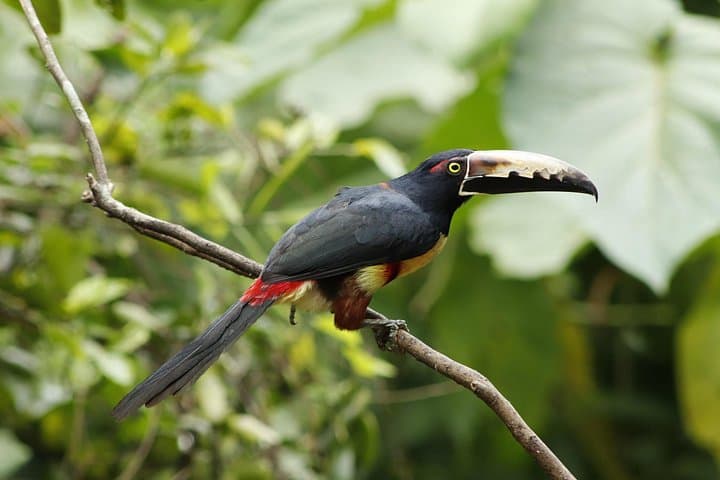
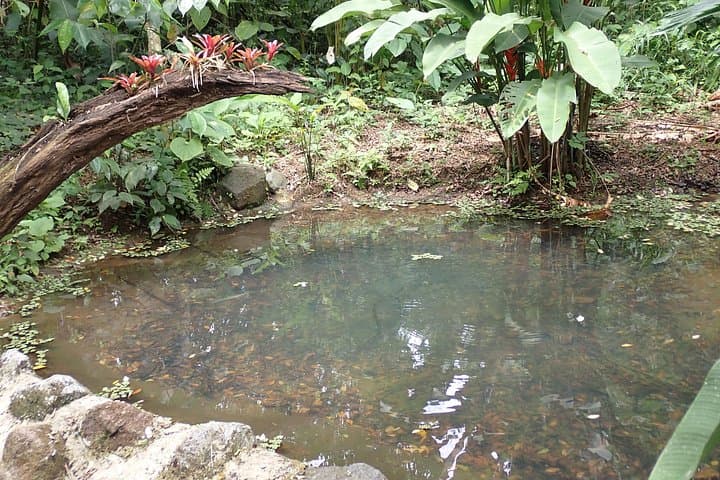
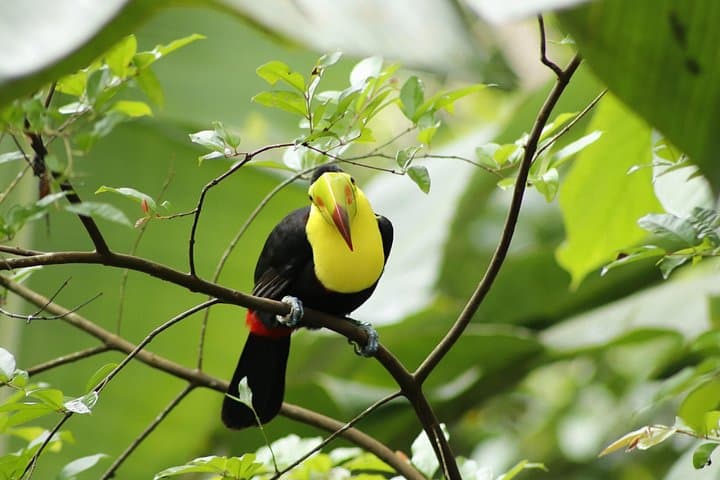
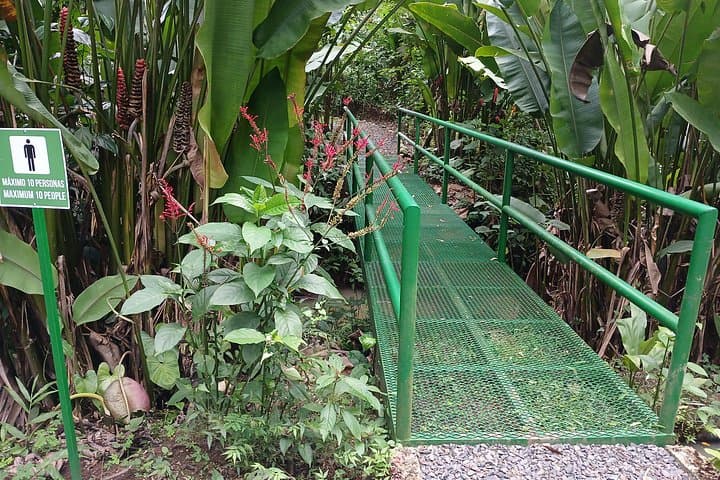
You step off the dirt lane into a pocket of humid forest where the air itself seems to carry stories — from the low hum of insects to the urgent calls of birds. At ANURA, a compact 3.8-hectare conservation reserve near La Fortuna, a biologist leads groups along shaded trails, pointing out medicinal plants, the subtle signs of habitat restoration, and the small, industrious stingless bees that keep the understory alive.
You step off the dirt lane into a pocket of humid forest where the air itself seems to carry stories — from the low hum of insects to the urgent calls of birds. At ANURA, a compact 3.8-hectare conservation reserve near La Fortuna, a biologist leads groups along shaded trails, pointing out medicinal plants, the subtle signs of habitat restoration, and the small, industrious stingless bees that keep the understory alive.
Founded and run by biologist Alberto Rico Urones, ANURA combines hands-on restoration with public education. The land sits on volcanic soils shaped by past eruptions of the northern Costa Rican range; secondary forest has reclaimed former pasture, creating a patchwork of ponds, wetlands and young canopy. Local culture here values practical conservation — reintroducing native species, cataloging plant uses, and involving families in stewardship.
On the walk you’ll see red-eyed tree frogs tucked in bromeliads, sloths moving with deliberate patience, and a shallow lake where caimans bask at dusk. The guide’s explanations are scientific but accessible, turning each observation into a lesson on pollination, succession and sustainable management.
Practical notes: tours last about two hours on easy, well-maintained trails suitable for most fitness levels and families. Expect muddy patches in the wet season, mosquitoes at dawn and dusk, and a steady forest humidity — bring sturdy closed-toe shoes, a rain layer, water, and a sense of curiosity. Night tours focus on amphibians and nocturnal insects; daytime walks emphasize birds and plant ecology.