THE ADVENTURE COLLECTIVE® · Independent discovery and booking for outdoor travel

Spend a private day in the high Andes searching for Andean condors, hummingbirds, and spectacled bears around Antisana Volcano. This field-focused tour blends geology, birding, and paramo ecology on an 8–10 hour route from Quito.
Spend a private day in the high Andes searching for Andean condors, hummingbirds, and spectacled bears around Antisana Volcano. This field-focused tour blends geology, birding, and paramo ecology on an 8–10 hour route from Quito.
Mist rolls across the paramo and the silhouette of Antisana rises like a glacier-forged wall. You begin the day above 3,500 meters, breath coming slower, eyes scanning black volcanic ridgelines and a lake ringed by grassland. Guides point to thermals where Andean condors spiral; below, hummingbirds thread the shrubs with the urgency of small engines.
Verified experiences and guided adventures in the surrounding area.
Mist rolls across the paramo and the silhouette of Antisana rises like a glacier-forged wall. You begin the day above 3,500 meters, breath coming slower, eyes scanning black volcanic ridgelines and a lake ringed by grassland. Guides point to thermals where Andean condors spiral; below, hummingbirds thread the shrubs with the urgency of small engines.
Antisana is an ice-capped stratovolcano in the northern Andes with a long history of glaciation that shaped its cirques and the high-elevation wetlands—known as páramo—around La Mica Lake. The area sits at the cultural crossroads of indigenous highland communities and modern conservation efforts; local reserves protect rare plants and create corridors for species such as spectacled bear and Andean fox.
On a private day tour from Quito you’ll traverse gravel roads and short hikes on uneven, often tussocky terrain while your guide interprets geology, bird ID, and natural history. Expect altitude to govern the pace: stops are frequent, and visibility can shift fast as clouds sweep the volcano. Hummingbird feeders at lower-elevation stops deliver close views of giant hummingbirds and the iridescent Ecuadorian hillstar. Wildlife sightings are never guaranteed but the habitat quality is exceptional.
Practical notes: plan for a long 8–10 hour day, bring layered insulation, sun protection, binoculars, and high-calorie snacks; hydrate before you go to reduce altitude effects. Best light for photography is morning and late afternoon when condors use thermals and the volcanic flanks take on sharp relief.
challenging.
8–10 hours.
Good aerobic fitness recommended and prior experience at moderate-high altitude helpful; expect sustained walking on uneven ground.
The reserve is roughly a 1.5 to 2 hour drive from Quito depending on traffic and exact pick-up point—this private tour typically runs 8–10 hours including transit.
Condors are regularly seen in the area because of strong thermals, but sightings cannot be guaranteed; morning and late afternoon offer the best chances.
The route reaches above 3,500 m; mild altitude symptoms are common—bring water, ascend slowly, and notify guides if you feel unwell.
This is a private, all-inclusive tour as advertised, but check your booking confirmation for specifics on meals, entrance fees, and transport details.
Antisana’s highlands have been used seasonally by indigenous communities for grazing and medicinal plants; recent decades focused on conservation and research.
Support local conservation by staying on marked trails, minimizing disturbance at birding stops, and choosing operators that contribute to reserve protection.
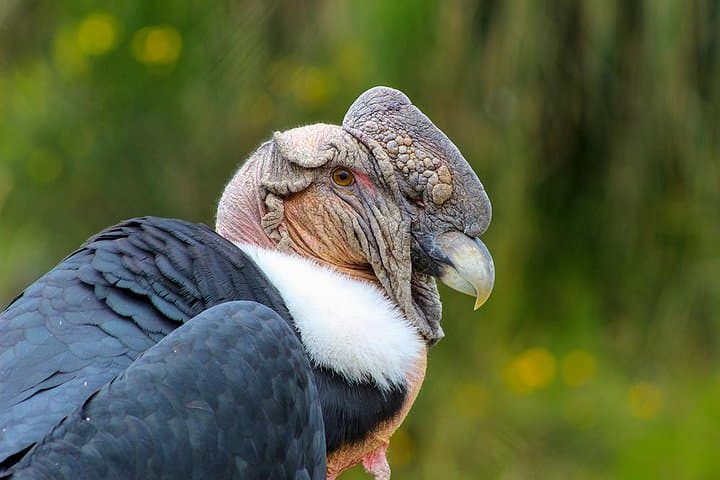
Mist rolls across the paramo and the silhouette of Antisana rises like a glacier-forged wall. You begin the day above 3,500 meters, breath coming slower, eyes scanning black volcanic ridgelines and a lake ringed by grassland. Guides point to thermals where Andean condors spiral; below, hummingbirds thread the shrubs with the urgency of small engines.
Mist rolls across the paramo and the silhouette of Antisana rises like a glacier-forged wall. You begin the day above 3,500 meters, breath coming slower, eyes scanning black volcanic ridgelines and a lake ringed by grassland. Guides point to thermals where Andean condors spiral; below, hummingbirds thread the shrubs with the urgency of small engines.
Antisana is an ice-capped stratovolcano in the northern Andes with a long history of glaciation that shaped its cirques and the high-elevation wetlands—known as páramo—around La Mica Lake. The area sits at the cultural crossroads of indigenous highland communities and modern conservation efforts; local reserves protect rare plants and create corridors for species such as spectacled bear and Andean fox.
On a private day tour from Quito you’ll traverse gravel roads and short hikes on uneven, often tussocky terrain while your guide interprets geology, bird ID, and natural history. Expect altitude to govern the pace: stops are frequent, and visibility can shift fast as clouds sweep the volcano. Hummingbird feeders at lower-elevation stops deliver close views of giant hummingbirds and the iridescent Ecuadorian hillstar. Wildlife sightings are never guaranteed but the habitat quality is exceptional.
Practical notes: plan for a long 8–10 hour day, bring layered insulation, sun protection, binoculars, and high-calorie snacks; hydrate before you go to reduce altitude effects. Best light for photography is morning and late afternoon when condors use thermals and the volcanic flanks take on sharp relief.