THE ADVENTURE COLLECTIVE® · Independent discovery and booking for outdoor travel

Spend a day birding and hiking around Antisana, Ecuador’s high Andean volcano. This private tour combines guided scope viewing, a hike near Laguna Mica, and stops for iconic species like the Ecuadorian hillstar and Andean condor.
Spend a day birding and hiking around Antisana, Ecuador’s high Andean volcano. This private tour combines guided scope viewing, a hike near Laguna Mica, and stops for iconic species like the Ecuadorian hillstar and Andean condor.
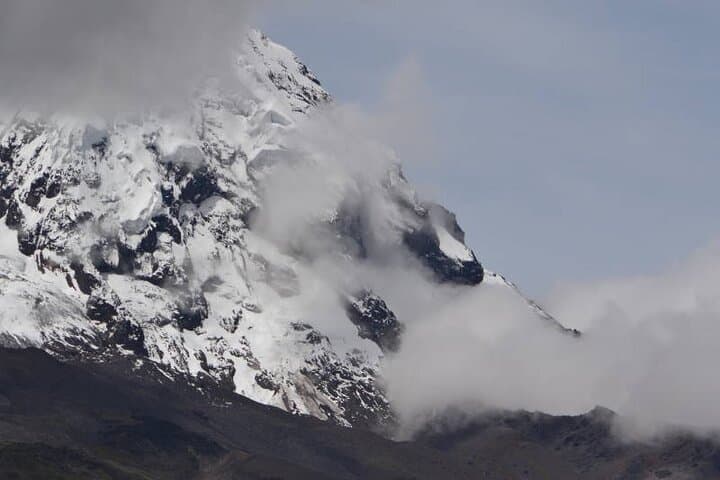
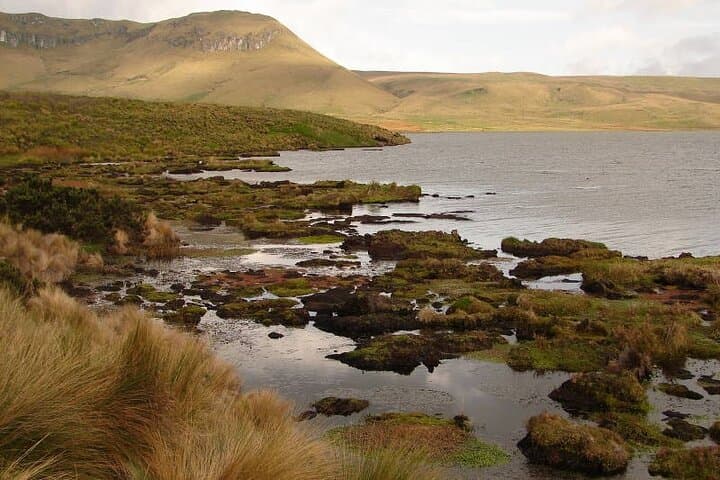
You step out of the van into thin air and a wide, high plain where wind moves like an inspector, testing your layers and your attention. The Antisana massif looms eastward — a broad volcanic cone dressed in snow at higher elevations — while tawny páramo grasses ripple and lakes mirror a sky that never stays still.
Verified experiences and guided adventures in the surrounding area.
Operated by Llamingo Travel · Quito, Pichincha
You step out of the van into thin air and a wide, high plain where wind moves like an inspector, testing your layers and your attention. The Antisana massif looms eastward — a broad volcanic cone dressed in snow at higher elevations — while tawny páramo grasses ripple and lakes mirror a sky that never stays still.
Antisana is the fourth highest volcano in Ecuador and part of the eastern Cordillera. Its glaciers and uplifted volcanic rock shape fast-draining valleys and high-altitude wetlands that have long supplied water to Quito; local communities traditionally grazed these slopes and still maintain trails and small gardens by the roadside.
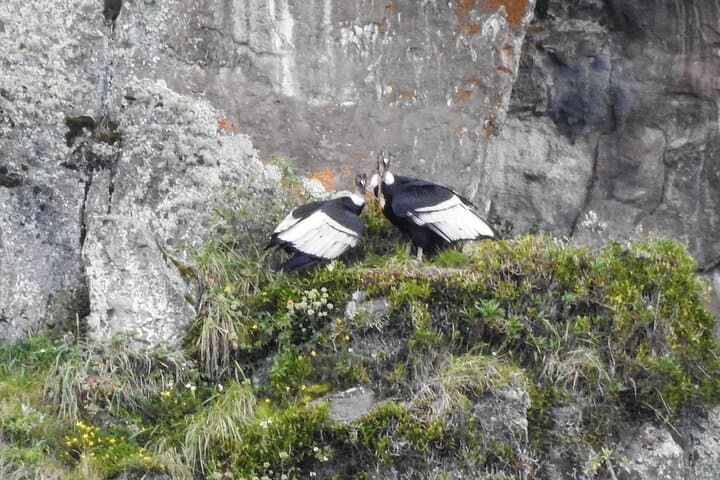
Geologically the area is volcanic and glacial, with moraines, pumice, and high Andean peat bogs that hold rainfall. Culturally, the route passes through small Andean villages where conversation often centers on weather, livestock, and conserving scarce water. Birdlife here is bold: hillstars feed like tiny heat-seeking jewels at feeders, and condors wheel above, testing thermals as if daring you to follow.
On this private tour expect multiple roadside birding stops, a guided hike near Laguna Mica, a spotting scope for group viewing, and entrance to hummingbird feeders paired with coffee or tea. Weather shifts quickly; aim to acclimatize in Quito beforehand and bring layers, rain protection, and footwear with good traction. Hydrate and pace yourself for the 3,600–4,100 m elevations; rest at viewpoints and let the guide handle route choices. The experience balances quiet observation with short, practical hikes across peat and rocky boot-tracks — a day that teaches you the pace and rules of high Andean country while putting emblematic species in easy view.
moderate.
10–13 hours.
Moderate fitness required; able to walk on uneven high-altitude trails for up to a few hours and manage stairs/short climbs
Stops and hikes range roughly between 3,600 and 4,100 m; altitude can affect anyone—acclimatize in Quito, hydrate, and notify the guide if you feel headaches or nausea.
Common targets include the Ecuadorian hillstar (hummingbird), Andean condor, stout‑billed cinclodes, caracaras, and Andean lapwing; sightings depend on season and weather.
Hikes are short to moderate on footpaths and boggy páramo; no technical climbing gear is required but good boots and sure footing are important.
Private transportation from Quito is included; pickup points are typically arranged in advance and the tour returns to the city the same day.
Antisana’s glaciers and volcanic soils have shaped local water systems and grazing patterns for centuries; the reserve protects both biodiversity and community water supply.
The páramo is fragile—stick to trails, avoid trampling peat bogs, and support local guides whose fees fund reserve protection.
Llamingo Travel operates guided outdoor trips and adventures with an emphasis on safety, stewardship, and memorable experiences.

You step out of the van into thin air and a wide, high plain where wind moves like an inspector, testing your layers and your attention. The Antisana massif looms eastward — a broad volcanic cone dressed in snow at higher elevations — while tawny páramo grasses ripple and lakes mirror a sky that never stays still.
You step out of the van into thin air and a wide, high plain where wind moves like an inspector, testing your layers and your attention. The Antisana massif looms eastward — a broad volcanic cone dressed in snow at higher elevations — while tawny páramo grasses ripple and lakes mirror a sky that never stays still.
Antisana is the fourth highest volcano in Ecuador and part of the eastern Cordillera. Its glaciers and uplifted volcanic rock shape fast-draining valleys and high-altitude wetlands that have long supplied water to Quito; local communities traditionally grazed these slopes and still maintain trails and small gardens by the roadside.
Geologically the area is volcanic and glacial, with moraines, pumice, and high Andean peat bogs that hold rainfall. Culturally, the route passes through small Andean villages where conversation often centers on weather, livestock, and conserving scarce water. Birdlife here is bold: hillstars feed like tiny heat-seeking jewels at feeders, and condors wheel above, testing thermals as if daring you to follow.
On this private tour expect multiple roadside birding stops, a guided hike near Laguna Mica, a spotting scope for group viewing, and entrance to hummingbird feeders paired with coffee or tea. Weather shifts quickly; aim to acclimatize in Quito beforehand and bring layers, rain protection, and footwear with good traction. Hydrate and pace yourself for the 3,600–4,100 m elevations; rest at viewpoints and let the guide handle route choices. The experience balances quiet observation with short, practical hikes across peat and rocky boot-tracks — a day that teaches you the pace and rules of high Andean country while putting emblematic species in easy view.